
Last updated November 2, 2026
 Sweep & inspection
 Caps & crowns
 Flue relining
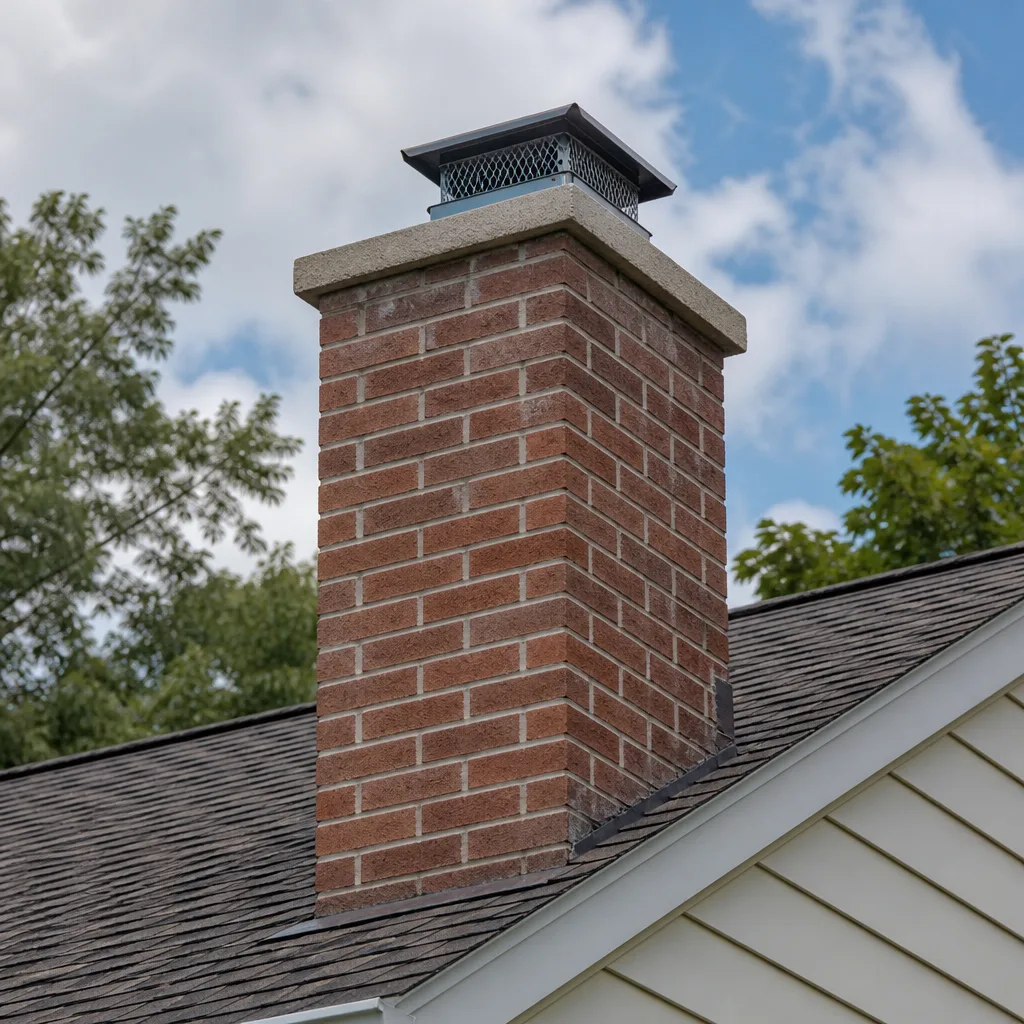 Masonry repair
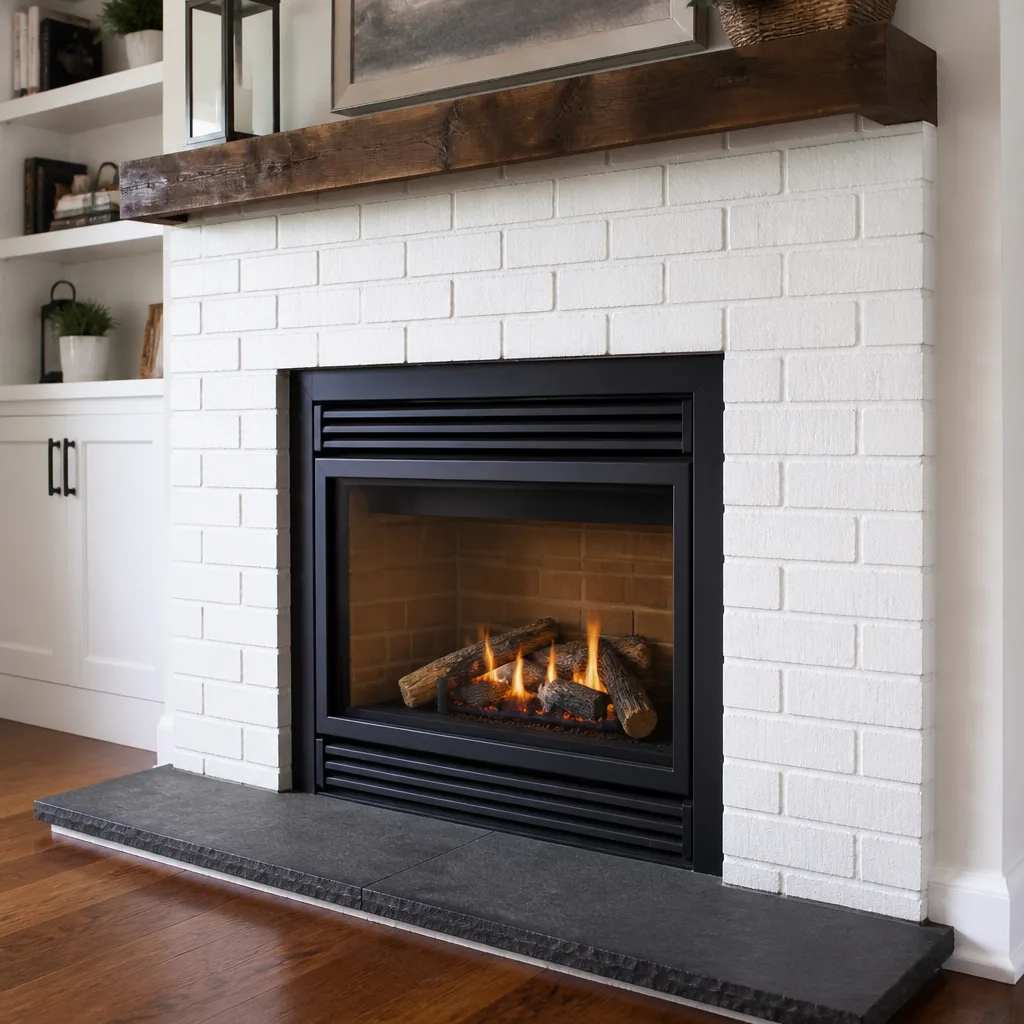 Gas fireplace service
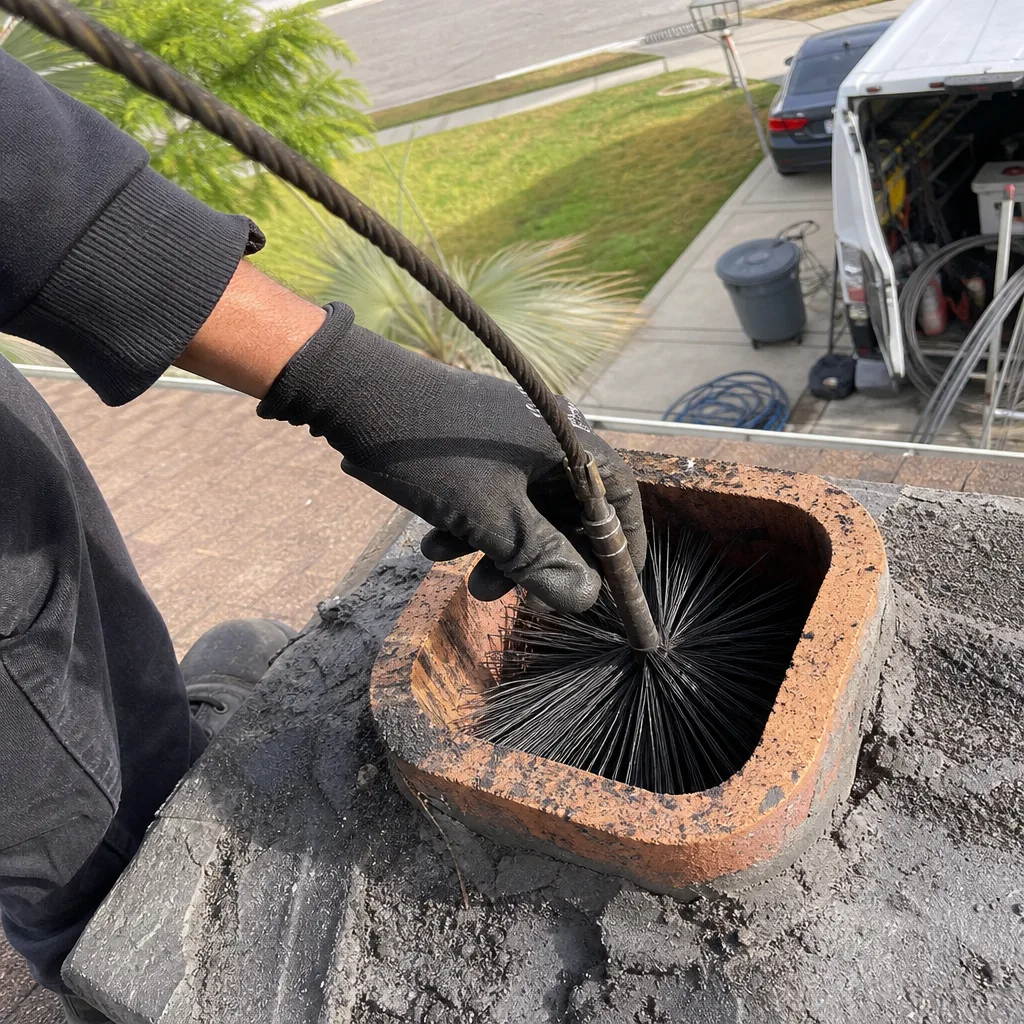
Level 1 sweep and inspection to the NFPA 211 annual standard - flue, crown, cap, and flashing checked and photographed
Chimney sweep logs do not sweep chimneys. They loosen some creosote - which then falls where a brush and vacuum still have to collect it.
Chimney Cleaning Cost Breakdown: The Menifee Homeowner’s Reference for 2026
Here’s a number that surprises most Menifee homeowners: two neighbors on the same street can pay $89 and $460 for what both receipts call a “chimney cleaning,” and both can be right. The low bid was a Level I sweep of an already-clean flue. The high bid was a Level II inspection with camera documentation, Stage 2 creosote removal, and a liner condition report. This guide – along with our Chimney Cleaning Warning Signs: A Menifee Homeowner’s Reference Guide – breaks down exactly where that money goes in the Menifee market, which line items are non-negotiable for safety, and how to spot the difference between an efficient operation and a low-bid contractor who’s about to sell you something you may not need.
Quick Answer
A standard chimney sweep in Menifee costs between $149 and $300 in 2026. If you add a Level II camera inspection, expect $250 to $500 total. The final price depends on creosote buildup, flue accessibility, and whether repairs are needed. We’ll explain each line item below so you can evaluate quotes before you’re sitting in your living room watching a technician point at “damage” on a screen.
Styles & brands we work with
- Sweep & inspection
- Caps & crowns
- Flue relining
- Masonry repair
- Gas fireplace service
Table of Contents
- The Line-Item Breakdown: What You’re Actually Paying For
- Five Variables That Legitimately Change the Price
- Inspection Levels Explained: I, II, and III
- Why Specification-Grade Materials Cost More (And When the Delta Is Worth It)
- How to Compare Quotes Apples-to-Apples
- The Real Cost of Deferred Cleaning
- Understanding Creosote Stages and Removal Costs
- Menifee-Specific Factors: Climate, Code, and Market Reality
The Line-Item Breakdown: What You’re Actually Paying For
A chimney cleaning is not one service. It’s a sequence of labor, inspection, materials, and disposal tasks, each with its own cost driver. When a Menifee company gives you a flat price, that number bundles all of the following. When a company gives you a suspiciously low price, one or more of these items is probably being skipped.
- Sweep labor: $80 to $150. This covers the technician’s time to set up, run brushes or rotary whips through the flue, clean the smoke chamber and firebox, and pack out. Menifee labor rates are lower than coastal San Diego but higher than Riverside, sitting roughly in the middle of the Inland Empire.
- Inspection level: $0 to $200. A Level I inspection (visual check of accessible areas) is often included in the sweep price. A Level II inspection adds camera scanning of the flue interior and costs $100 to $200 more. We’ll cover this in detail below.
- Camera inspection documentation: $75 to $150 when billed separately. This is the photo or video report you keep. It’s the only way to verify what a technician is telling you about the inside of your flue.
- Materials: $10 to $40 for a standard sweep. Drop cloths, gloves, creosote treatment spray, and disposal bags. If a chemical creosote modifier (like a spray-on Stage 1 treatment) is applied, that adds $25 to $60.
- Disposal fee: $15 to $40. Creosote is a hazardous material by California waste standards, and legitimate Menifee companies pay to dispose of it properly. A company charging $79 for a sweep is either absorbing this cost or not paying it.
- Travel and setup: $20 to $50, often folded into the base price. Menifee’s spread-out neighborhoods (from Sun City to the Audie Murphy Ranch area) mean drive time is real overhead.
Add these up and a legitimate baseline sweep with documented inspection lands between $149 and $300. Anything below that in Menifee is either a promotional loss-leader or a pared-down service.
Five Variables That Legitimately Change the Price
Not all chimneys are equal. These are the factors that push a Menifee chimney cleaning from the low end to the high end of the range, and none of them are upcharges by greedy contractors. They’re physical realities of your specific flue.
1. Flue Height and Roof Pitch
A single-story Menifee rancher with a 12-foot flue and a walkable 4/12 roof pitch is the low-cost scenario. A two-story home in the hills with a 25-foot flue and a steep 8/12 pitch requires different ladder setup, roof safety gear, and sometimes a second technician. That’s not padding. That’s time and risk.
2. Liner Type
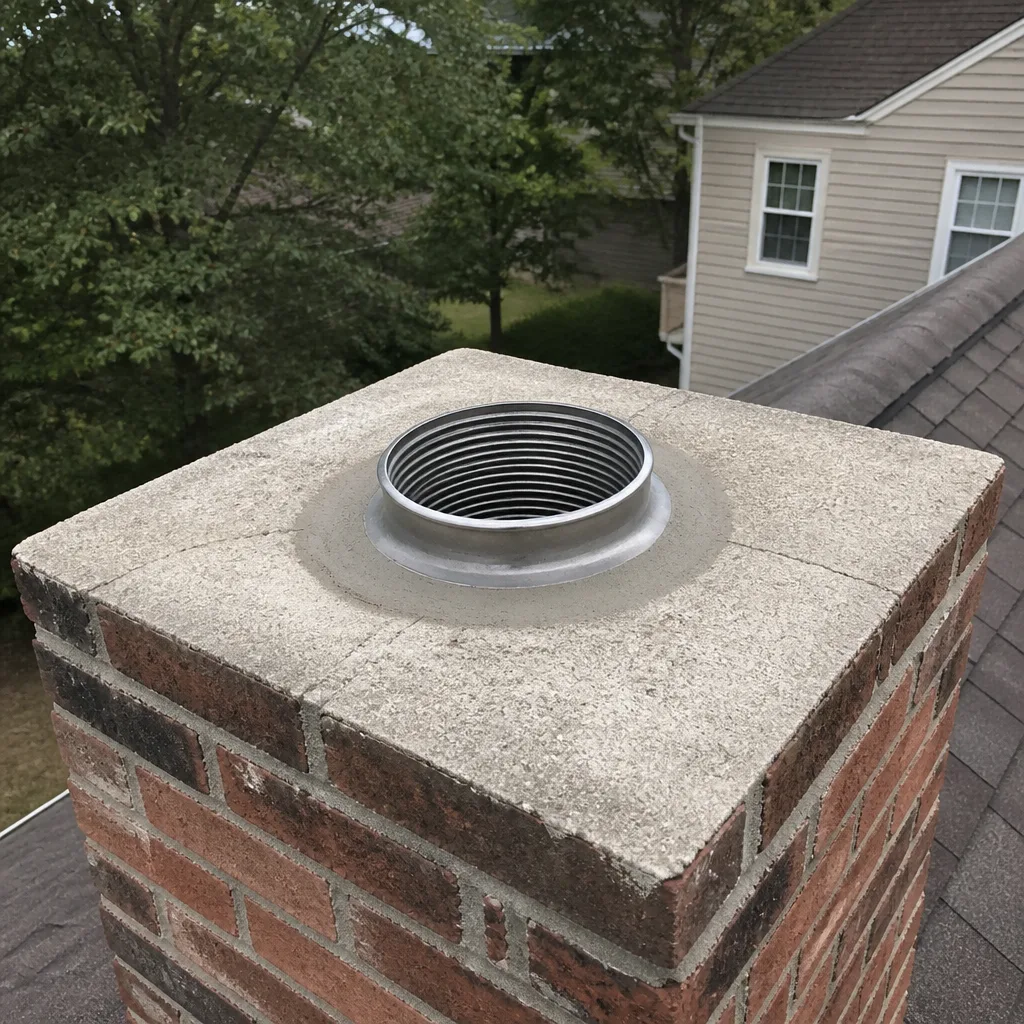
Clay tile liners are the most common in Menifee homes built before 2000, and they clean relatively quickly with standard brushes. Stainless steel liners (like the DuraFlex systems we install) clean faster because creosote doesn’t grip the metal as aggressively. Corrugated or offset flues slow down the brushing process and can add $40 to $80 in labor.
3. Creosote Stage
Stage 1 creosote is a light, brushable dust. Stage 2 is a tar-like glaze that clings and requires rotary chains or chemical treatment before brushing. Stage 3 is a hardened, glossy buildup that’s flammable and often requires repeated treatment. Each stage adds time and materials. A Stage 2 or 3 flue can double the sweep labor cost.
4. Access Difficulty
If your chimney is surrounded by tile roofing that can’t be walked safely from one side, or if the cap is rusted onto the flue, or if the previous homeowner built an addition that makes the chimney hard to reach from any angle, the technician is spending more time and working harder. Legitimate companies charge for that. Low-bid companies skip the roof entirely and sweep from inside, which misses the top 5 feet of flue where creosote accumulates most.
5. Damper and Smoke Chamber Condition
An old cast-iron damper that’s rusted in place, or a smoke chamber with corbeled brick ledges caked in creosote, requires hand scraping that adds 30 to 60 minutes. If the damper is seized, the technician may need to spray penetrating oil and work it free before the sweep can even begin.
Inspection Levels Explained: I, II, and III
Most Menifee homeowners don’t know that chimney inspections come in three defined levels. They’re not interchangeable, and the cost difference reflects what’s actually being examined.
- Level I Inspection: A visual check of the accessible interior and exterior of the chimney. The technician looks at the firebox, damper, cap, and the accessible portion of the flue. This is typically included in a standard sweep price. It works for chimneys that are used regularly and haven’t changed.
- Level II Inspection: Everything in Level I plus a camera scan of the full flue interior, from firebox to cap. This is required by code when a home is sold, after a chimney fire, after an earthquake, or when switching fuel types (wood to gas, for example). It costs $100 to $200 more than a standard sweep and produces photographic documentation.
- Level III Inspection: This is invasive. It involves removing portions of the chimney structure to access hidden areas, typically after a suspected fire or structural failure. It’s rare in routine service and priced per project.
In the Menifee market in 2026, expect a Level I inspection to be bundled with your sweep for no extra charge. A Level II camera inspection is a paid upgrade and worth it if you haven’t had one in five years, if you’ve just bought the home, or if you’re switching from wood to gas.
Why Specification-Grade Materials Cost More (And When the Delta Is Worth It)
Here’s a scenario we see in Menifee regularly: a homeowner gets a sweep, the technician finds hairline cracks in the clay liner, and the follow-up quote recommends a fix. The general handyman quotes $400 for “refractory cement patch.” A specification-grade chimney company quotes $2,200 for HeatShield ceramic resurfacing. The homeowner sees two prices for what sounds like the same repair and grabs the $400 bid.
They’re not the same repair. Generic refractory cement is a patch. It fills a visible crack but doesn’t bond to the flue walls, doesn’t handle thermal cycling, and typically fails within two to three winters. HeatShield resurfacing is a full ceramic coating applied to the entire flue interior, restoring it to a smooth, fire-resistant surface rated for continuous service. The patch fixes what you can see. The resurfacing fixes what’s actually wrong.
We specify materials like HeatShield and DuraFlex because they’re the products other chimney professionals recognize. A contractor who specs HeatShield is using a system with documented engineering behind it, not mixing a bag of cement from Home Depot. The delta matters on a three-to-five-year horizon. The $400 patch fails, and then you’re paying for the resurfacing anyway, plus another sweep to clean up the debris. The $2,200 resurfacing is documented, warrantied through the manufacturer, and doesn’t require a full liner replacement that would run $4,500 to $7,000.
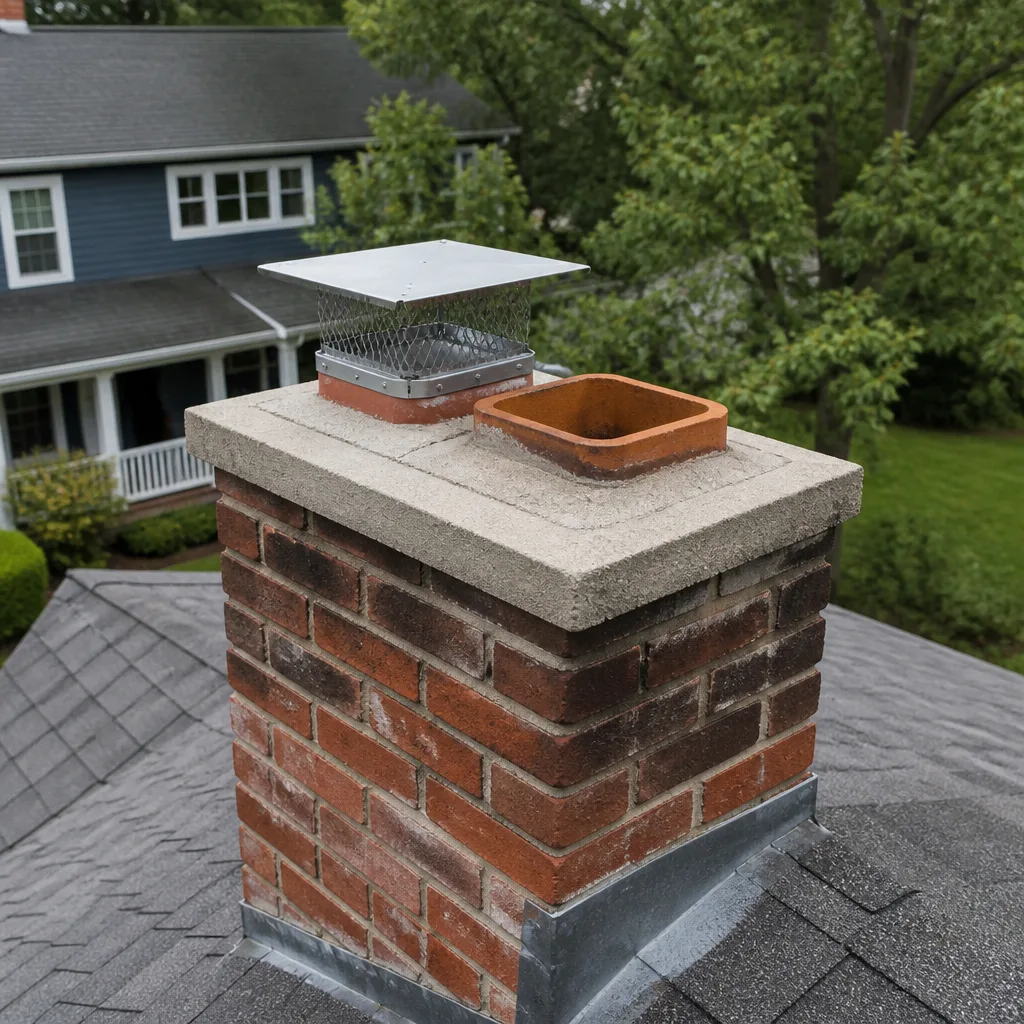
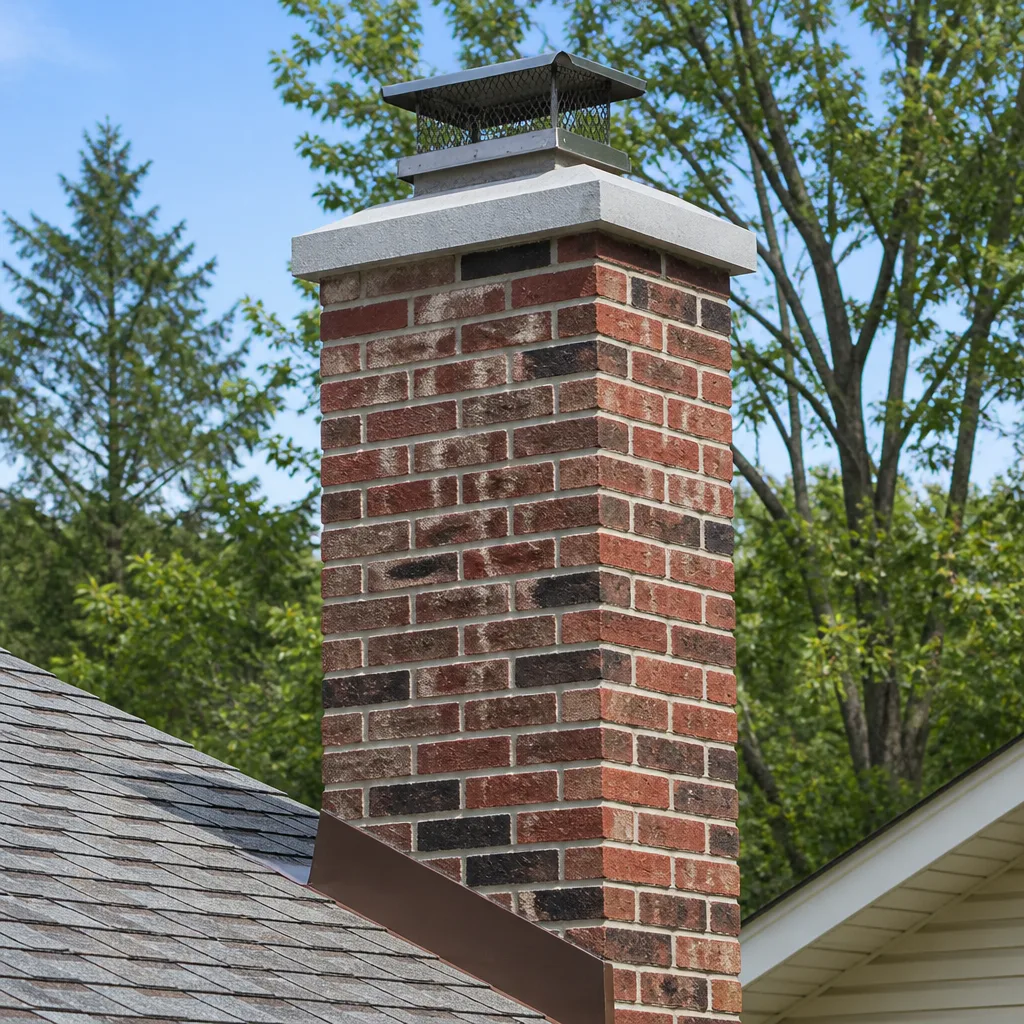
It’s the same logic with caps. A Gelco cap costs more than a generic box-store cap, but the stainless steel is thicker, the screen is welded rather than crimped, and it’s designed to survive real weather. Menifee gets Santa Ana winds that turn cheap caps into projectiles. Specifying a cap that stays on the flue is cheaper than replacing one that doesn’t.
How to Compare Quotes Apples-to-Apples
The biggest mistake Menifee homeowners make when comparing chimney cleaning quotes is comparing the headline number. Here’s the scope-of-work checklist that makes two quotes actually comparable.
- Does the price include a roof access sweep or is it bottom-up only? Bottom-up-only sweeps miss the upper flue. Ask directly.
- Is the inspection Level I or Level II? If you need a camera scan (and most Menifee fireplaces being serviced for the first time in years do), the Level I-only quote isn’t the same service.
- What documentation do you receive? A photo report of the flue interior is the difference between knowing and guessing. If a quote doesn’t include it, ask why.
- What materials are specified? Ask what brand of cap, liner, or resurfacing material the quote includes. Generic language (“high-quality materials”) means generic products.
- Is disposal included? Some low-bid operators leave creosote bags in your backyard. Make sure the quote says disposal.
- Is the company’s scope limited to what they can do? A handyman who can’t install liners is incentivized to tell you the liner is fine. A company that repairs liners every week can give you an honest read.
- How long is the appointment? A legitimate sweep and inspection takes 60 to 90 minutes. A 20-minute appointment is skipping something.
Ask these seven questions on the phone before you book. The company that answers clearly and without pressure is the company that will treat your home the same way. The company that dodges the questions will dodge the details too.
The Real Cost of Deferred Cleaning
Here’s the math that makes a $200 annual sweep look like the cheapest line item in your home maintenance budget. Deferring cleaning doesn’t save $200. It transfers that cost forward with interest.
- Year 1 skipped: Creosote builds from Stage 1 to Stage 2. Next year’s sweep costs $100 to $150 more because of the additional labor and chemical treatment. Net savings: roughly zero.
- Year 2 skipped: Stage 2 creosote advances to Stage 3. The flue now requires repeated treatment and rotary cleaning. Sweep cost rises to $400 to $550. A chimney fire becomes a real possibility. Net loss: $200 to $350.
- Year 3 skipped: A Stage 3 flue with a spark can ignite a chimney fire that damages the liner, cracks the mortar, and potentially spreads to the home structure. Post-fire repairs in Menifee typically run $2,000 to $8,000 depending on liner condition, and a full liner replacement runs $4,500 to $7,000. Net loss: several thousand dollars and a family that’s lucky the fire stayed contained.
The annual sweep is the recurring cost. The deferred cleaning is the lump-sum cost. You’re paying either way. The only question is whether you pay $200 now or $4,000 later.
And it’s not just fire. Blocked flues send carbon monoxide back into the home, and Menifee’s winter mornings mean closed windows and running heaters. A blocked chimney is the indoor air quality problem you can’t see until symptoms appear.
Understanding Creosote Stages and Removal Costs
Creosote is the byproduct of wood combustion, and it accumulates in three progressive stages. Knowing what stage your flue is in tells you what your cleaning will cost and how urgently it needs to happen.
Stage 1: Flaky Dust
This is normal byproduct from burning seasoned hardwoods. It brushes off easily with standard metal or poly brushes. It’s the cheapest to remove and the least hazardous. A standard Menifee sweep handles Stage 1 in the base price. Most homes that burn two to three fires per week during the winter months sit in Stage 1 territory if they’re swept annually.
Stage 2: Tar-Like Glaze
This forms when the flue isn’t swept annually and the creosote bakes into a sticky, molten glaze. It doesn’t brush off. It requires rotary chains or chemical treatment to break down before brushing. Labor time doubles. In Menifee’s housing stock, Stage 2 is the most common finding in homes that went three to five years without service. Expect an additional $75 to $150 over the standard sweep price.
Stage 3: Hardened, Glossy Buildup
This is the dangerous stage. The creosote has baked into a hard, glossy shell that’s highly flammable and can restrict flue diameter significantly. Removal requires repeated chemical application and aggressive mechanical cleaning. The sweep cost rises to $400 to $550, and the technician should recommend a follow-up inspection to check for liner damage underneath the buildup. A Stage 3 flue is the scenario where homeowners discover that their “simple cleaning” has become a $3,000 repair.
We’ve seen Stage 3 flues in Menifee that looked fine from the top. The camera shows the story. That’s why we push for camera documentation on any flue that hasn’t been swept in three years or more. What you can’t see is exactly what’s going to cost you money later.
Menifee-Specific Factors: Climate, Code, and Market Reality
Menifee isn’t a generic Southern California market. The climate, the housing stock, and the regulatory environment all shape what chimney work costs here specifically.
The Santa Ana Factor
Menifee sits in the path of seasonal Santa Ana winds, which arrive hot and dry from the east in fall and winter. Those winds pull air down chimneys, not up them, which means embers and smoke can be pushed back into the house if the damper and cap are compromised. It also means chimney caps take a structural beating. Cheap caps fail within a season or two and end up in a neighbor’s yard. We specify Gelco caps for Menifee homes because the welded stainless construction survives wind events that shred box-store caps.
The Aging Housing Stock
Menifee grew in bursts. There are 1960s ranches in Sun City, 1980s and 90s tract homes across the central neighborhoods, and early-2000s builds in the newer subdivisions. The older homes almost universally have clay tile liners that are now 30 to 60 years old. Clay liners crack over time from thermal cycling and minor seismic activity. When we sweep a 40-year-old Menifee home, we’re not surprised to find hairline cracks. The question is whether they need resurfacing now or can wait another season. A camera inspection answers that question definitively.
Code and Permit Requirements
Menifee falls under California Building Code, which incorporates NFPA 211 standards for chimney construction and maintenance. If you’re replacing a liner or rebuilding a firebox, permits are required. A sweep generally doesn’t require a permit, but any repair that alters the flue structure does. For details, see our Chimney Cleaning Permits, Codes & Inspections in CA: What You Need to Know. Legitimate Menifee chimney companies handle the permitting paperwork as part of the job. Handymen often don’t, and an unpermitted liner replacement becomes a liability when you sell the house.
The Low-Bid Reality
Menifee’s market is saturated with general handymen who list “chimney cleaning” alongside gutter cleaning, pressure washing, and a hundred other services. Their pricing is often $79 to $99. That’s a loss-leader to get in the door, because the real money comes from the follow-up “repair” they’re going to pitch. Some of those repairs are legitimate. Many are inflated. A few are entirely fabricated. The homeowner who understands the cost structure in this guide – and in our Chimney Cleaning Emergency Preparedness Guide for Menifee Homes – can evaluate that pitch from a position of knowledge instead of fear.
Common Mistakes to Avoid
- Booking on price alone. Menifee’s $79 sweep exists for one reason: to upsell you. A legitimate sweep costs $149 to $300. If the price is half that, the service is half too.
- Accepting a quote without a camera report. If the technician can’t show you photos of your flue interior, you have no way to verify anything they’re telling you. Demand documentation.
- Fixing a clay liner crack with generic cement. Refractory cement patches fail within two to three seasons. HeatShield resurfacing or proper liner replacement is the durable fix. The cheap patch is the expensive mistake.
- Skipping annual sweeps to save money. This doesn’t save money. It defers a $200 cost into a $2,000 to $8,000 cost. There is no scenario where waiting makes financial sense.
- Using unverified handymen for liner work. A handyman who installs a liner without a permit has created a liability for your home sale. Use a company that pulls permits and specs recognized products.
- Ignoring the dryer vent while you’re addressing the chimney. Dryer vents are a leading cause of residential fires, and Menifee’s dry climate means lint builds up quickly. If you’re already paying for a chimney service visit, dryer vent cleaning in Menifee is the logical addition. One visit, one technician, both combustion-exhaust hazards handled.
- Assuming all quotes cover the same scope. A Level I visual inspection is not a Level II camera scan. A bottom-up-only sweep is not a full flue cleaning. Read the scope line by line.
See the difference
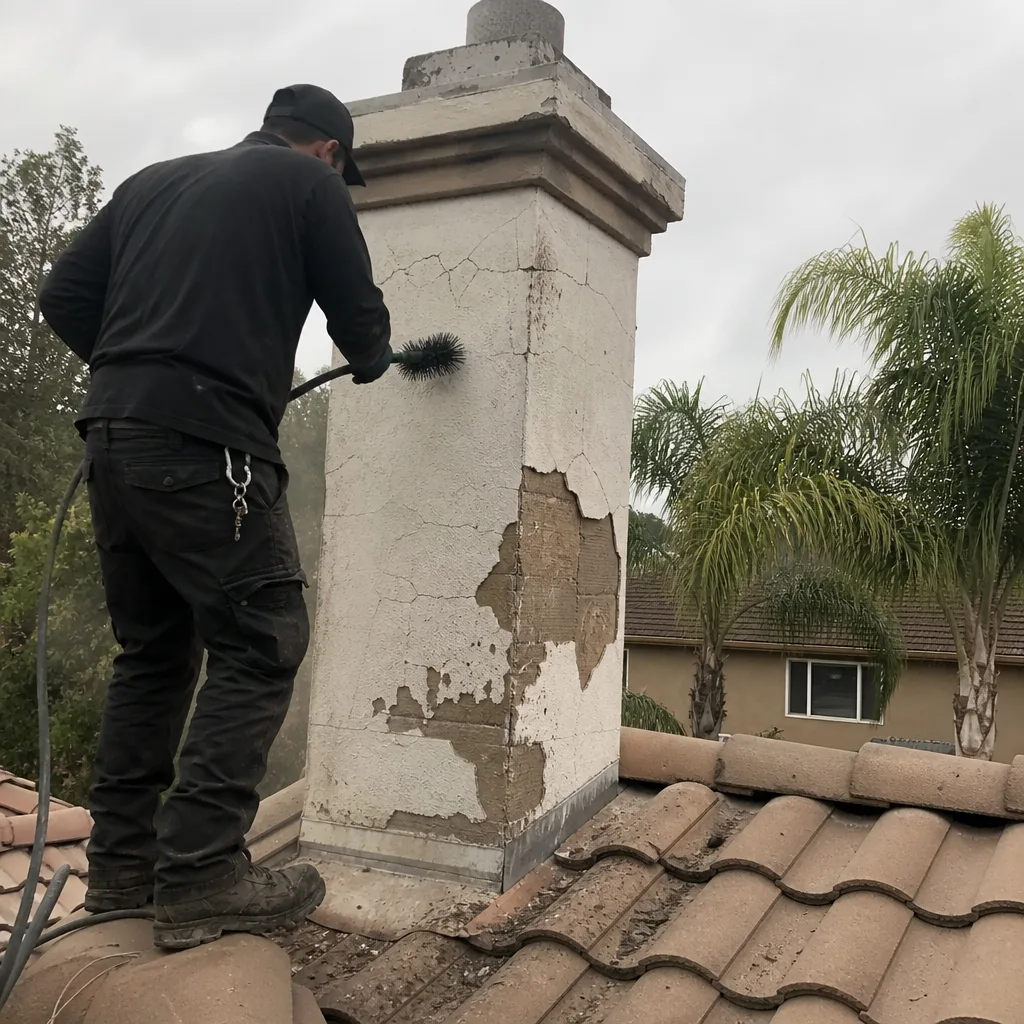 Before
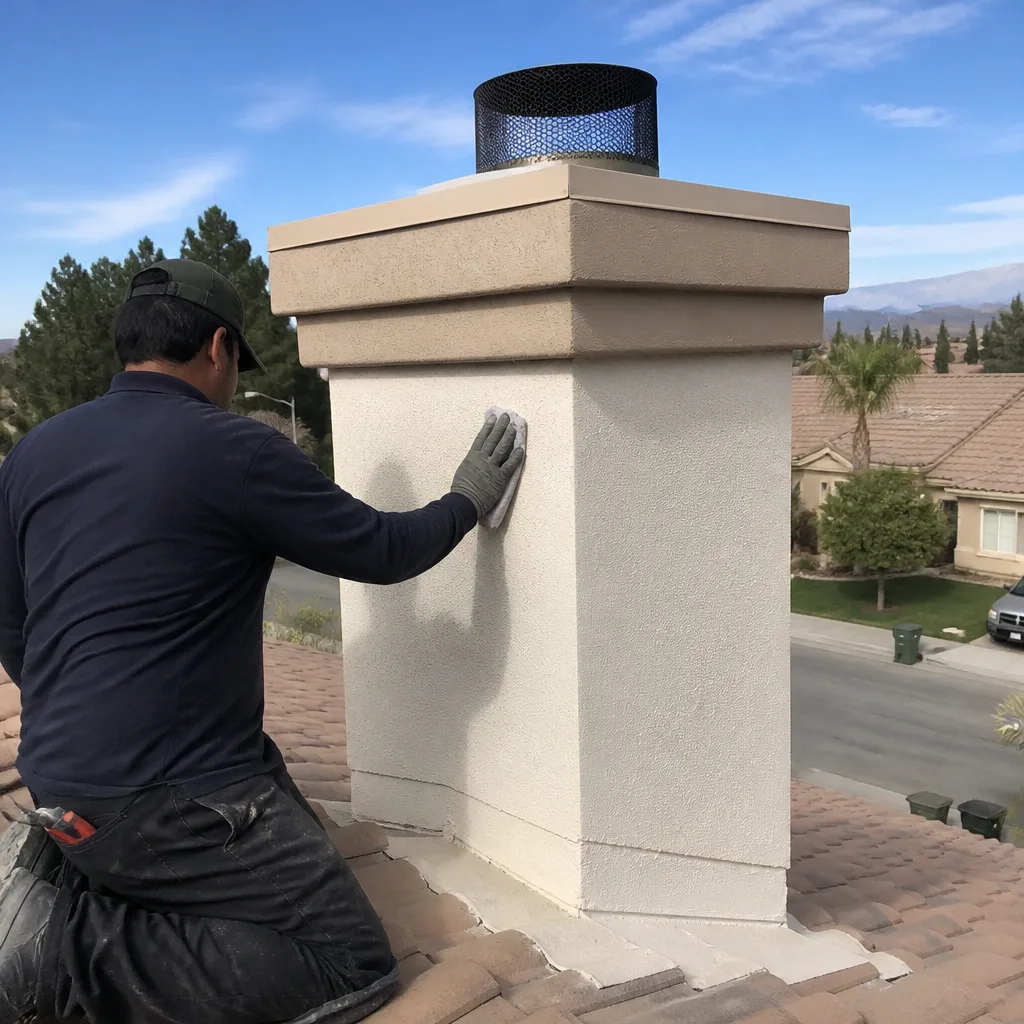 After
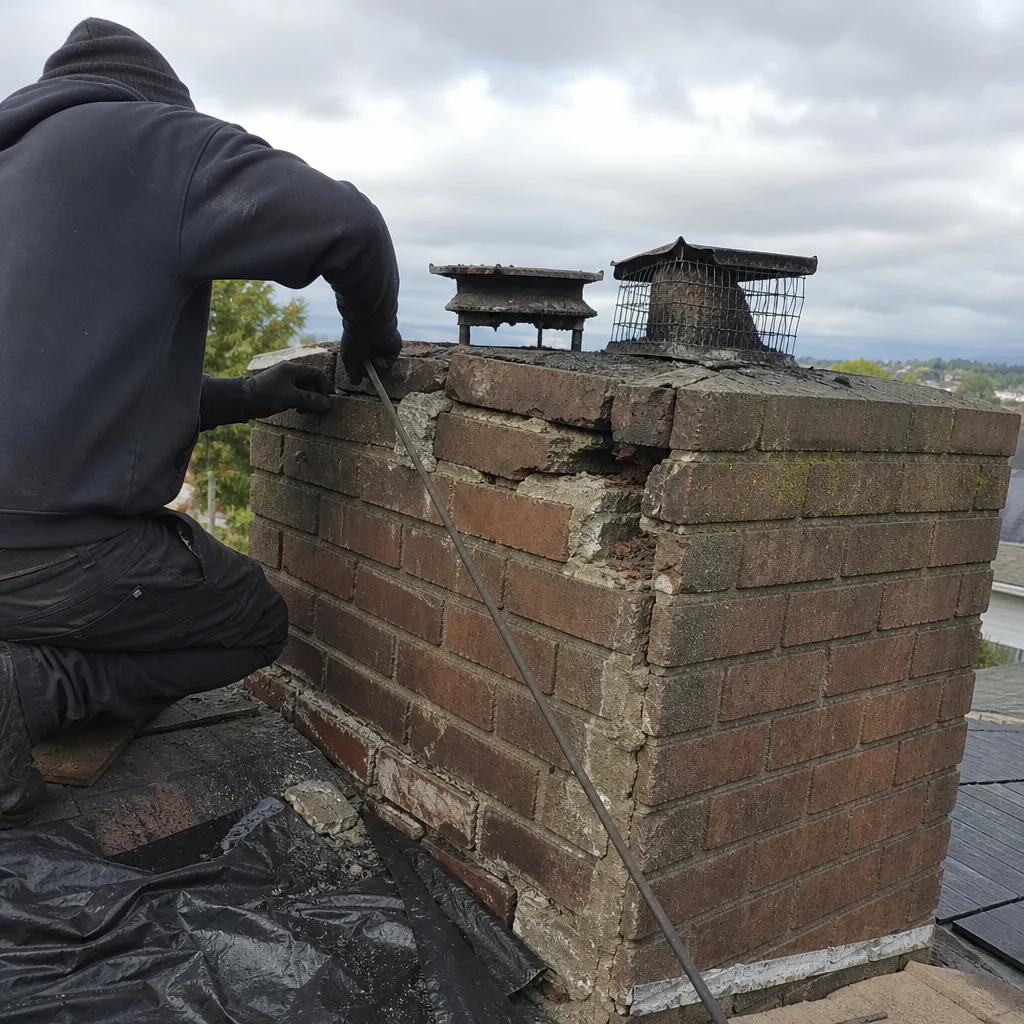 Before
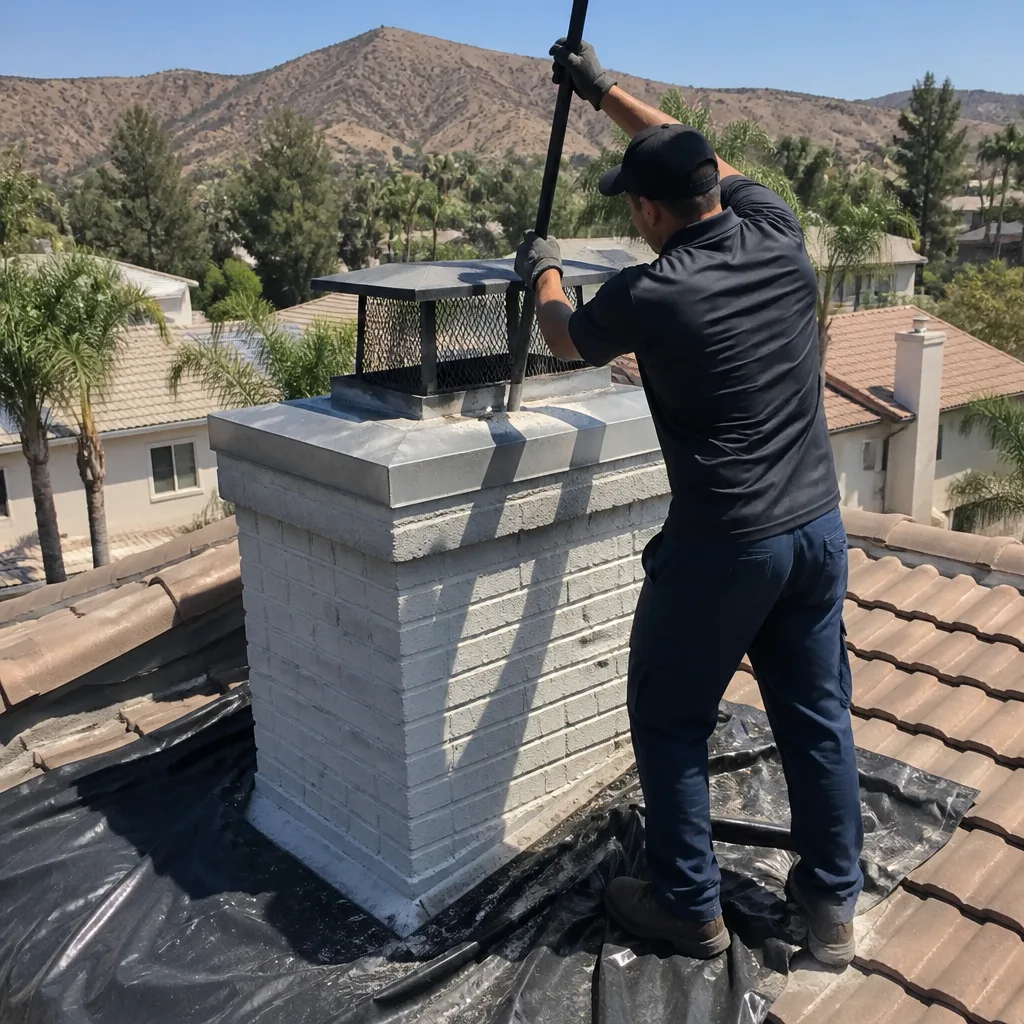 After
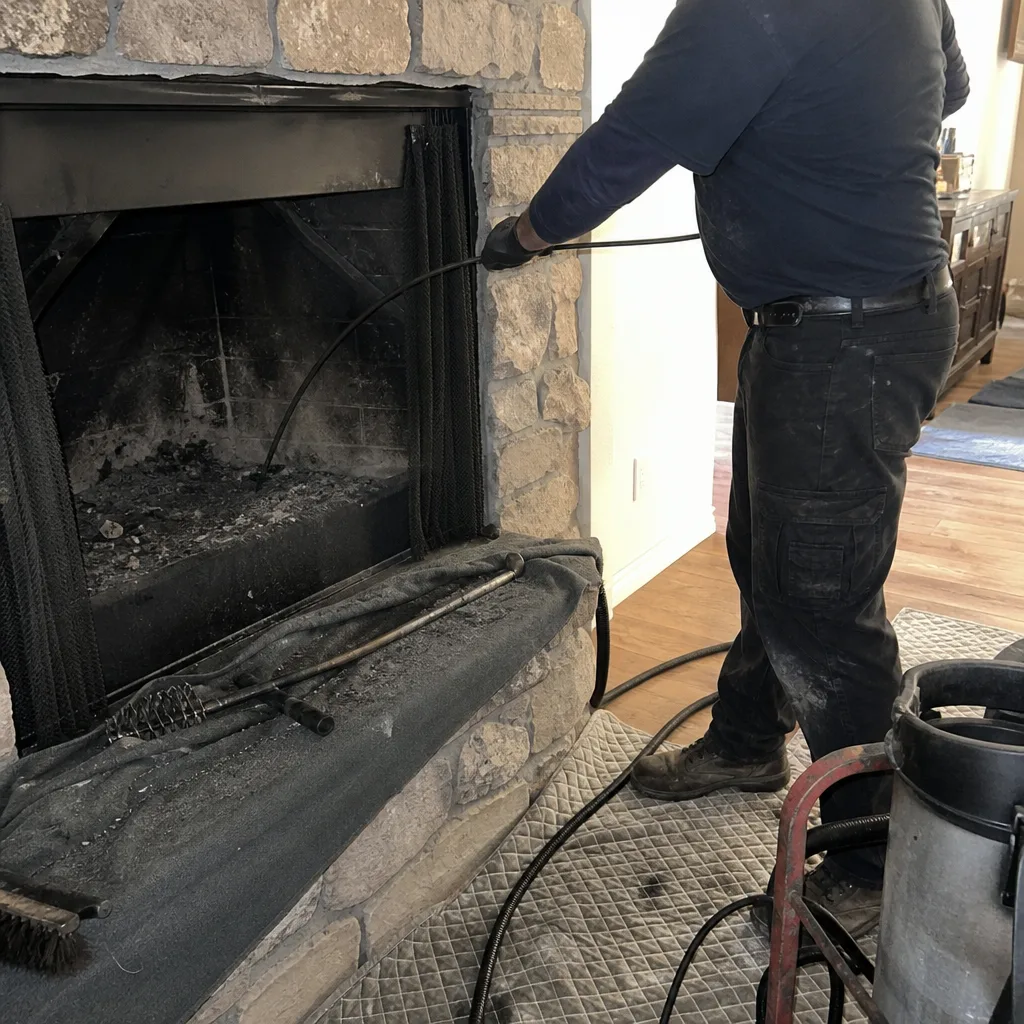 Before
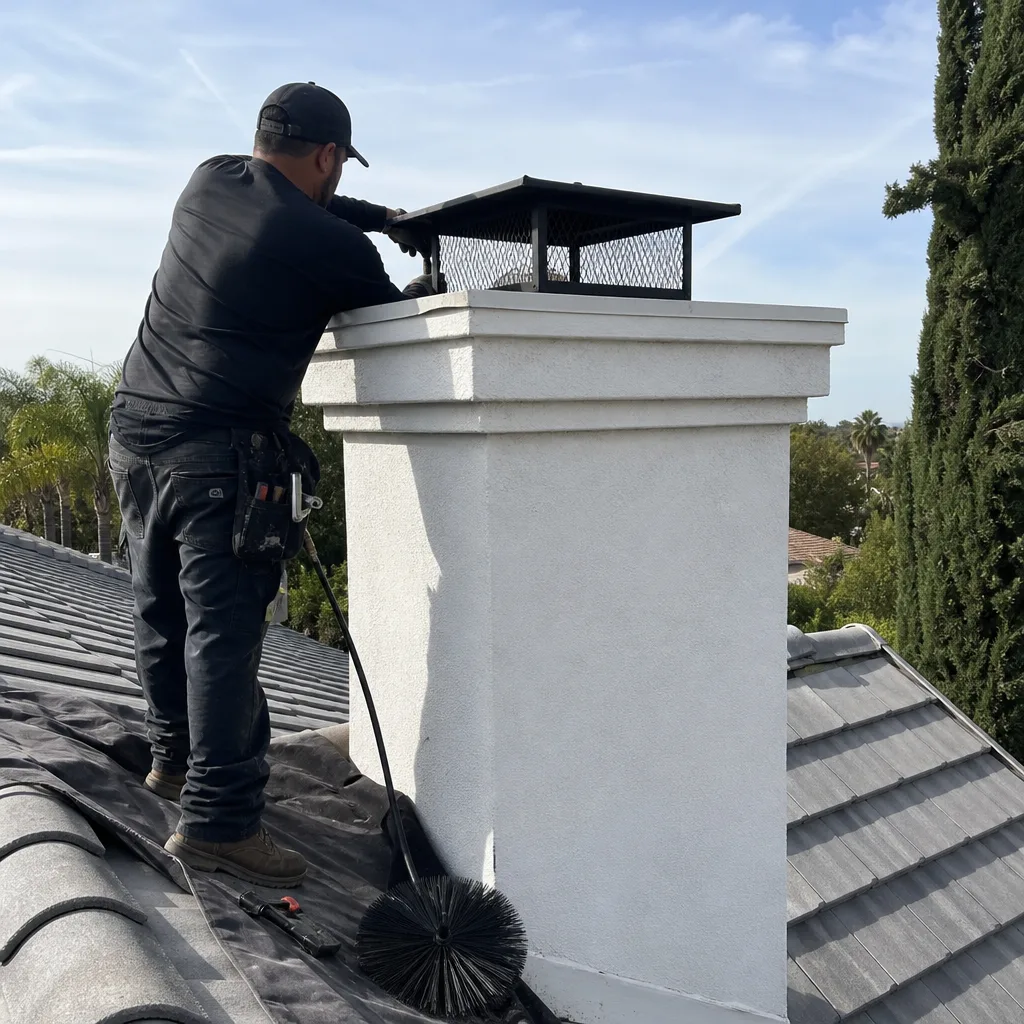 After
When to Call a Professional
Some chimney situations are DIY territory. Most are not. If you’re dealing with Stage 2 or Stage 3 creosote, a suspected liner crack, a chimney that hasn’t been swept in three or more years, or a fireplace that’s producing smoke in the room, call a professional. If you’re buying or selling a Menifee home, a Level II inspection is required and should be done by someone who provides camera documentation. If you’re switching from wood to gas, or if the chimney has been through a fire, professional inspection is non-negotiable. Chimney Sweep Menifee offers free estimates in Menifee, and our scope covers everything in this guide: chimney sweeping in Menifee, chimney repair in Menifee, and dryer vent cleaning. Call (866) 538-1538 and we’ll walk you through what your specific chimney needs.
Frequently Asked Questions
A standard chimney sweep in Menifee costs between $149 and $300 in 2026, including a Level I inspection and disposal. With a Level II camera inspection, expect $250 to $500. The final price depends on creosote stage, flue height, and liner condition. Call us for an exact quote, and we’ll walk you through the variables before you book.
According to NFPA 211, chimneys should be swept annually or whenever 1/8 inch of creosote accumulates, whichever comes first. If you burn two to three fires per week during Menifee’s winter months, annual service is your baseline. Homes that burn every day or burn green wood may need twice-a-year attention.
In the Menifee market, a $99 sweep is almost always a loss-leader. It typically includes a bottom-up-only brushing and a quick visual check, but skips roof access, camera documentation, and sometimes disposal. The technician’s job at that price is to sell you something on the back end. Ask what the $99 covers before you book.
You need a Level II inspection if you’ve never had one, if you’re buying or selling the home, if the chimney has been through a fire or earthquake, or if it’s been five or more years since the last camera scan. For routine annual service on a chimney that’s been regularly maintained, a Level I inspection is generally sufficient.
Creosote advances from Stage 1 to Stage 2 and Stage 3, making removal progressively more expensive and increasing fire risk. Three or more years of skipped service in a wood-burning fireplace typically means a $400 to $550 sweep instead of a $200 one, and sometimes reveals liner damage that requires $2,000 to $7,000 in repairs. The annual sweep is the cheap option.
Yes, in many cases. HeatShield ceramic resurfacing is a certified system that coats the entire flue interior and restores it to fire-safe condition without a full liner tear-out. It costs roughly half to two-thirds of what a full DuraFlex liner replacement costs, and it’s a durable solution when the underlying masonry is sound.
The Bottom Line
Chimney cleaning in Menifee costs $149 to $300 for a legitimate standard sweep, and $250 to $500 with camera documentation. The low-bid specials are almost always lead-generation plays, and the high-bid quotes usually include either additional scope or specification-grade materials. The smart homeowner doesn’t buy on headline price. They buy on documented scope, verified flue condition, and named materials. Get the camera report. Ask what products are going into your home. Sweep annually. For more guides & resources, visit our blog. And if you’re in Menifee and want a straight answer about your chimney’s condition, call us. We’ll show you what we’re seeing and explain what actually needs to be done, in plain language, with the data in your hand.
Written by the team at Chimney Sweep Menifee, serving Menifee since 2011.