
Last updated November 2, 2026
 Sweep & inspection
 Caps & crowns
 Flue relining
 Masonry repair
 Gas fireplace service
Level 1 sweep and inspection to the NFPA 211 annual standard - flue, crown, cap, and flashing checked and photographed
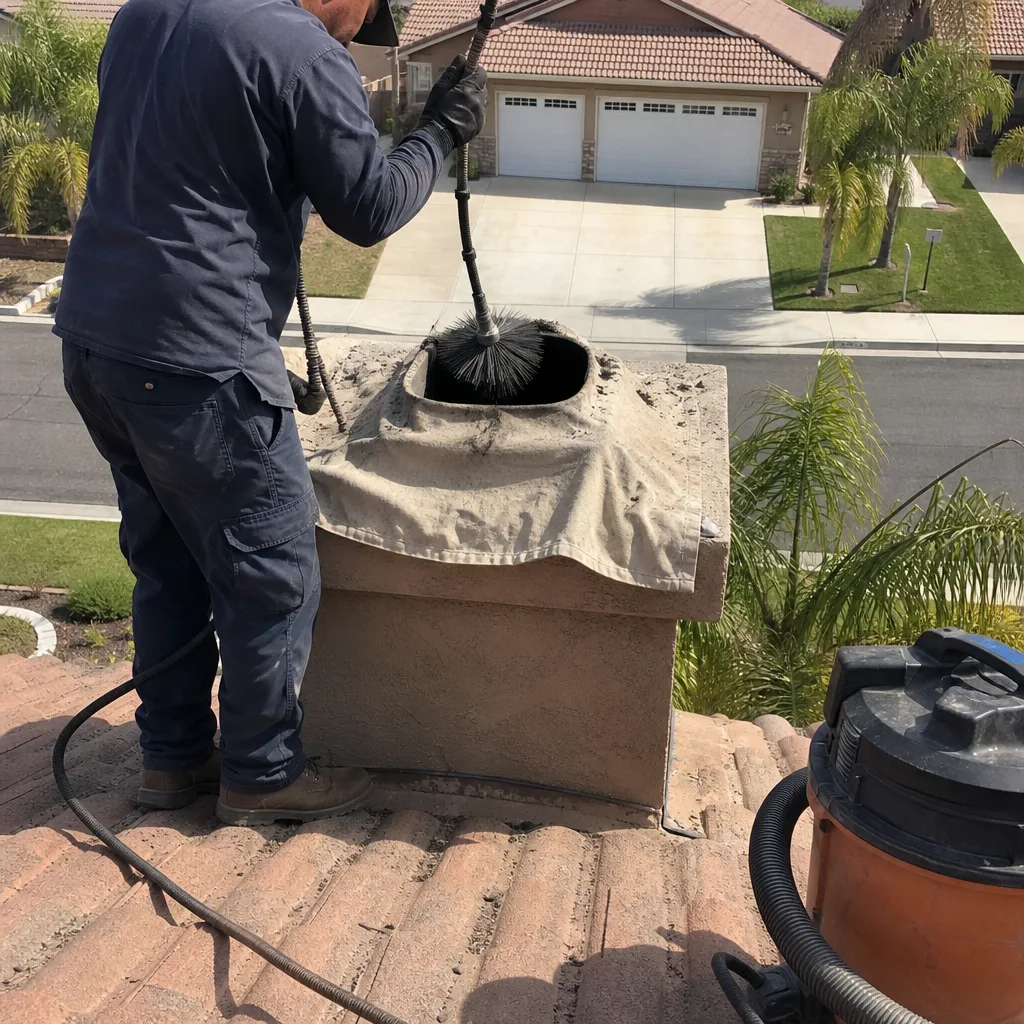
Chimney sweep logs do not sweep chimneys. They loosen some creosote - which then falls where a brush and vacuum still have to collect it.
Chimney Cleaning Permits, Codes & Inspections in CA: What You Need to Know
Relining a chimney in California without a permit isn’t just a code violation. It can void your homeowner’s insurance claim if a chimney fire occurs, because the insurer will pull the permit history before paying out. Most Menifee homeowners assume permits only apply to new construction or room additions. That assumption is expensive. This guide covers exactly which chimney services trigger California permit requirements, how Title 24 and Riverside County fire codes interact, what the three-level NFPA 211 inspection standard actually means for your fireplace, and what happens when unpermitted work surfaces during a home sale. For Chimney Cleaning Warning Signs: A Menifee Homeowner’s Reference Guide and more, see our blog. We’ll walk through the full compliance picture so you can make informed decisions before anyone touches your flue.
Quick Answer
Routine chimney sweeping and Level 1 or Level 2 inspections are permit-exempt in California and require no filing with Riverside County or the City of Menifee. However, chimney liner replacement, firebox repair, and most masonry rebuilds do require a building permit and inspection. The key distinction is whether the work is maintenance versus modification: cleaning and inspection are maintenance, while relining or structural repair is modification that changes the system’s performance or fire-resistance rating. Our Chimney Sweep Maintenance Checklist for Menifee Homeowners breaks down which tasks fall into each category.
Styles & brands we work with
- Sweep & inspection
- Caps & crowns
- Flue relining
- Masonry repair
- Gas fireplace service
Table of Contents
- Which Chimney Services Are Permit-Exempt in California
- Which Chimney Services Require a Permit
- How Title 24 Applies to Chimney Work in Menifee
- The Three-Level NFPA 211 Inspection Standard
- How to Pull a Chimney Permit in Riverside County
- Unpermitted Chimney Work and Real Estate Transactions
- Insurance Claims, Permit History, and Chimney Fires
- Why Menifee’s Climate Creates Specific Chimney Code Issues
Which Chimney Services Are Permit-Exempt in California
California’s building code framework distinguishes between maintenance operations and modifications that alter a structure’s fire-resistance, dimensions, or performance characteristics. Routine chimney sweeping is squarely in the maintenance category. No permit is required anywhere in Riverside County for a standard sweep, and the same holds true for visual or video-scan inspections. The logic is straightforward: sweeping removes creosote deposits but changes nothing about the chimney’s construction or function.
Here’s what California treats as permit-exempt chimney work:
- Chimney sweeping: mechanical or manual removal of creosote, soot, and debris from the flue interior.
- Level 1 and Level 2 inspections: visual examination, video scanning, and documentation of flue condition. No structural alteration occurs.
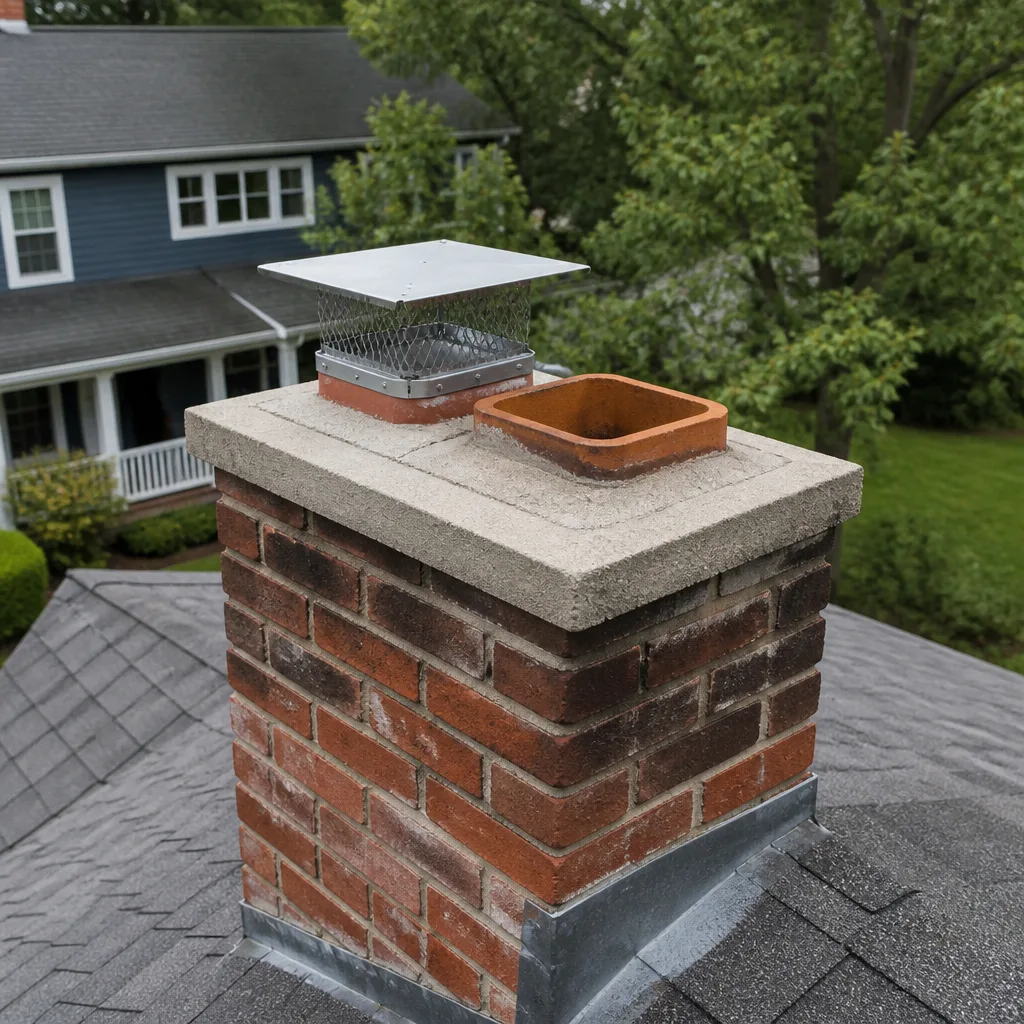
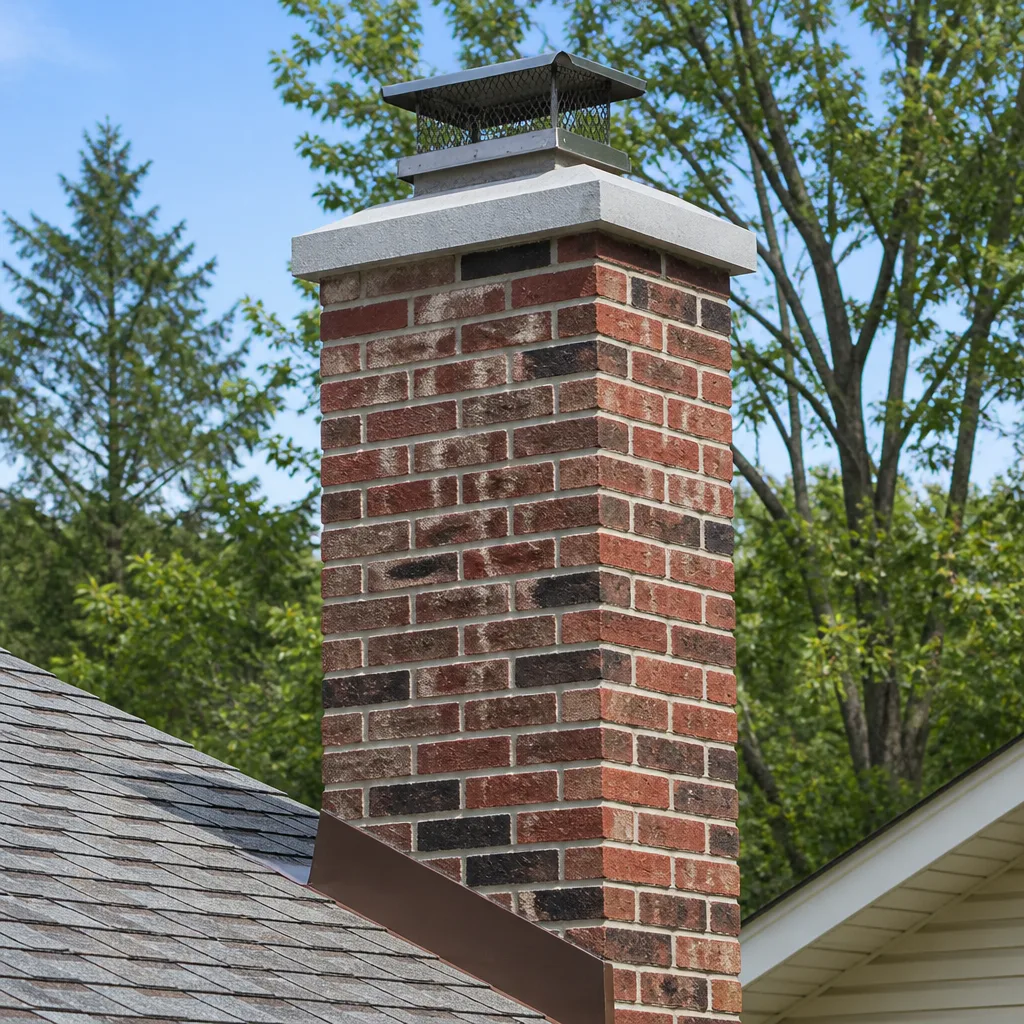
- Chimney cap installation: adding or replacing a cap at the flue termination. This is considered an accessory, not a structural modification. In our Menifee service area, we specify Chimney Sweep Menifee home work with Gelco caps because they hold up against the high-wind Santa Ana events that hit this part of Riverside County without rusting out within a few seasons.
- Minor mortar joint pointing: filling small gaps in the crown or exterior mortar joints when the underlying masonry is structurally sound. The threshold is typically shallow cosmetic work that doesn’t require removing more than a small amount of existing material.
- Dryer vent cleaning: this is a ventilation maintenance task, not a structural one. No permit applies. Dryer Vent Cleaning in Menifee should be scheduled on the same service visit when possible, since both the chimney and the dryer exhaust are combustion-exhaust pathways and both fail in the same way: accumulated lint or creosote restricts airflow and creates a fire condition.
The permit-exempt classification is not a blank check. If a sweep reveals deteriorated mortar joints that require grinding out and repointing beyond surface filling, or if the flue liner is cracked to the point of requiring resurfacing, that work crosses into permit territory. The distinction is whether material is being removed and replaced in a way that changes the system’s integrity.
Which Chimney Services Require a Permit
California Building Code Section 105 and the Riverside County amendments to it are clear: any work that alters a chimney’s structural system, fire-resistance rating, or flue dimensions requires a building permit. This is not a gray area, even though plenty of unlicensed operators treat it like one.
Permit-required chimney work includes:
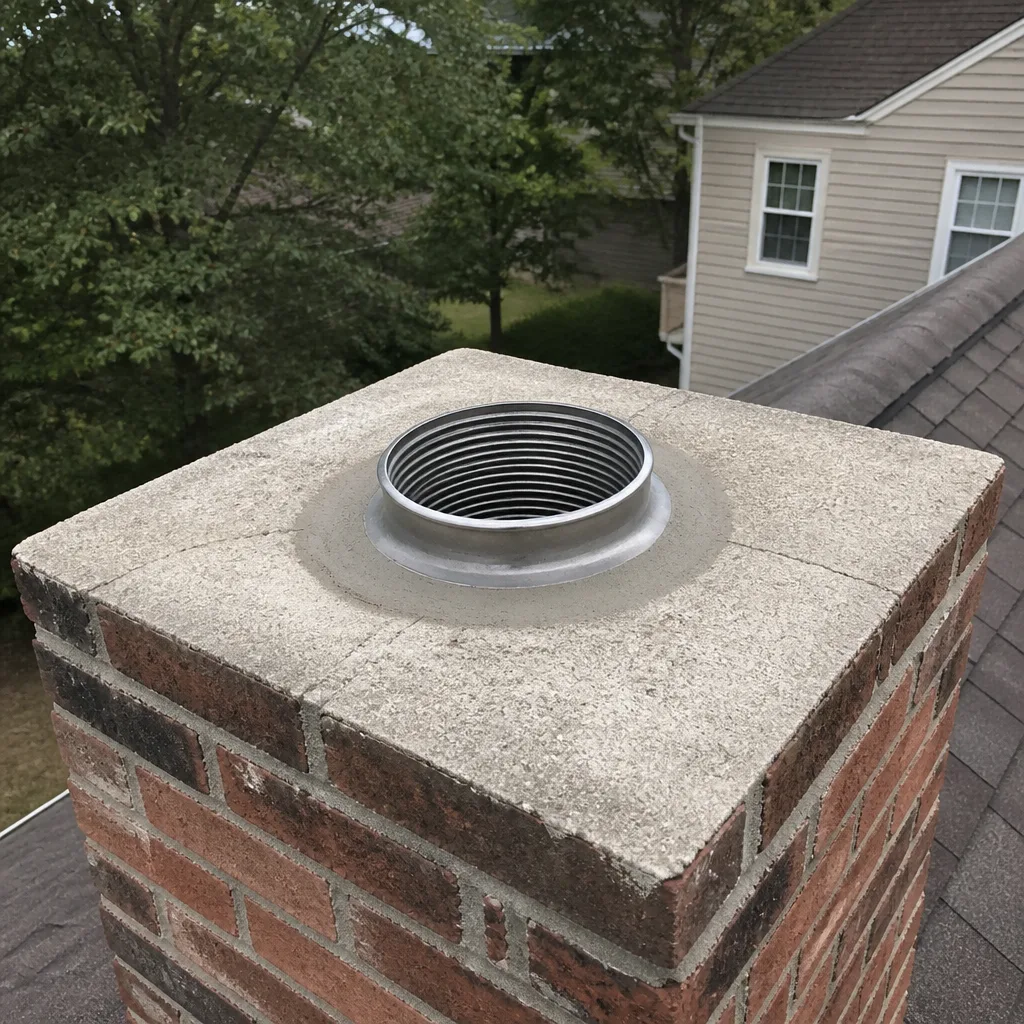
- Flue liner replacement: removing an existing clay tile or metal liner and installing a new one. This changes the flue’s internal dimensions, thermal characteristics, and compliance path. A Chimney Repair in Menifee project involving full liner replacement always triggers a permit in Riverside County.
- Firebox repair or rebuild: the firebox is the combustion chamber. Rebuilding it changes the fire-resistance assembly and requires inspection of the clearance-to-combustibles and hearth extension dimensions.
- Smoke chamber parging or rebuild: significant work in the smoke chamber area falls under the same modification logic as firebox work.
- Structural masonry rebuild: reconstructing a chimney crown, rebuilding a leaning chimney above the roofline, or extensive brick replacement.
- Chimney addition or relocation: any new chimney or relocated flue is new construction work.
There’s a nuance worth understanding. HeatShield resurfacing, which we use in Menifee as a middle option between a patch job and full liner replacement, restores the existing flue by applying a ceramic coating to the interior. Because it doesn’t remove the existing liner and install a new one, its permit status is less clear-cut than a full reline in some jurisdictions. Homeowners should always confirm with Riverside County Building & Safety before proceeding, and reputable contractors will tell you to do exactly that. A contractor who tells you to skip the permit conversation entirely is giving you advice that can come back on your homeowner’s policy.
How Title 24 Applies to Chimney Work in Menifee
Title 24 of the California Code of Regulations is best known for its energy-efficiency standards, but it also contains the state’s building standards for fireplaces and chimneys, which are enforced through the California Building Code and California Mechanical Code. For Menifee homeowners, the practical impact of Title 24 breaks down into a few specific areas.
First, new fireplace installations and any relining work done under permit must meet current Title 24 energy and emissions requirements. Menifee is in South Coast Air Quality Management District territory, which adds a layer of wood-burning restrictions during high-pollution days. Title 24’s fireplace standards work in tandem with SCAQMD Rule 445, which prohibits wood burning on no-burn days and requires certain labeling on new fireplace units.
Second, Title 24’s fire-resistance construction requirements dictate the clearance-to-combustibles standards that inspectors check during any permitted chimney work. If a liner replacement is done under permit, the inspector will verify that the new liner assembly maintains the required distances from framing members in attic spaces and at floor penetrations. Homes in Menifee’s older neighborhoods, particularly those built during the 1980s and 1990s construction boom in the Sun City and Quail Valley areas, frequently have framing details that don’t meet current clearance standards. A permit inspection surfaces these issues before they become a fire.
Third, Title 24 requires that any gas-burning fireplace or log set installed in a chimney be properly vented according to the manufacturer’s listing and the Mechanical Code. When we install DuraFlex flexible liner systems for gas inserts in Menifee homes, we specify that material because it handles the non-standard flue configurations common in older Menifee fireplaces while maintaining the draft characteristics that Title 24 compliance requires. The code doesn’t care about brand names, but the brand’s engineering either meets the standard or it doesn’t.
The Three-Level NFPA 211 Inspection Standard
NFPA 211 is the National Fire Protection Association standard for chimneys, fireplaces, vents, and solid-fuel-burning appliances. California’s Authorities Having Jurisdiction (AHJs) reference it routinely, and insurance companies lean on it when evaluating chimney-related claims. Understanding the three inspection levels helps Menifee homeowners know what to ask for and what they’re getting.
Level 1 Inspection
A Level 1 inspection is the baseline. It covers the readily accessible portions of the chimney: the exterior, the firebox, the damper, and the visible flue interior. No specialized tools or access equipment are required. This is what gets performed during a routine chimney sweep visit. If you burn the same type of fuel you’ve always burned and nothing about your system has changed, a Level 1 inspection is appropriate. It’s the inspection that accompanies a standard Chimney Sweep in Menifee service call.
Level 2 Inspection
A Level 2 inspection includes everything in Level 1 plus access to attic, crawlspace, and roof areas. It requires a video scan of the flue interior. Level 2 inspections are triggered by specific events: a property sale or transfer, a change in fuel type (say, converting from wood to gas), a chimney fire, an earthquake or other structural event, or a significant weather event. In Menifee, we recommend a Level 2 inspection after any significant seismic activity that could have shifted the chimney structure, and always before purchasing a home with a fireplace.
Level 3 Inspection
A Level 3 inspection is the most invasive. It’s called for when a Level 1 or Level 2 inspection surfaces a suspected hazard that requires access to concealed areas of the chimney structure. Parts of the chimney or building may need to be opened up. Level 3 inspections are rare in residential work, but they’re the appropriate response when the concern is structural failure inside a wall cavity.
California AHJs don’t mandate inspection levels directly. What they do is require that permitted work be inspected for code compliance, and they expect the contractor to document why a given level of inspection was chosen. If you’re in a real estate transaction and the home inspector flags the chimney, the AHJ typically expects a Level 2 inspection at minimum before any repair permit is issued.
How to Pull a Chimney Permit in Riverside County
If your chimney work in Menifee requires a permit, the process runs through Riverside County Building & Safety, which handles permitting for the City of Menifee. Here’s the step-by-step, based on how the process typically works for liner replacement or firebox repair projects in this area.
- Determine the scope of work. Be specific: is this a full liner replacement, a partial reline, a firebox rebuild, or a combination? The permit application requires a clear description of the work being performed.
- Obtain a contractor’s estimate that includes permit costs. Riverside County permit fees for chimney work are calculated based on the valuation of the work. Expect the permit line item to be a few hundred dollars for a typical liner replacement, but the county sets these fees on a sliding scale.
- Submit the permit application. This can typically be done online through the Riverside County TLMA portal or in person at the county building & safety office. You’ll need the property address, parcel number, contractor information, and a description of the work.
- Wait for plan review. Simple liner replacements usually sail through an over-the-counter review. Anything involving structural modification or unusual framing conditions may require a more detailed review.
- Schedule the rough inspection. Once the permit is issued and work begins, the county inspector will need to see the work at a designated stage. For liner work, this is typically after the old liner is removed and before the new liner is enclosed.
- Complete the work and schedule the final inspection. The final inspection verifies that the installed liner, firebox, or cap assembly matches the permit description and meets code.
- Keep the permit record. The final inspection sign-off is the document you’ll show a home inspector, an insurance adjuster, or a future buyer.
The most important thing to understand about this process is that the homeowner is ultimately responsible for the permit, even if the contractor handles the paperwork. If a Menifee homeowner hires a chimney contractor who says permits aren’t needed for a reline, and the work is later discovered, the homeowner is the one holding the liability. When we handle liner work in Menifee, we walk the homeowner through the permit conversation as part of the estimate. Using products like DuraFlex and HeatShield isn’t just about material quality; it’s about being able to document that the installed product meets the code requirements the inspector is checking against. Inspectors know these brand names, and a liner system from an obscure manufacturer invites extra scrutiny.
Unpermitted Chimney Work and Real Estate Transactions
In the Menifee real estate market, a lot of chimney work gets done during escrow. The buyer’s home inspection flags the chimney, the seller agrees to fix it, and the work happens fast before closing. When that work involves a liner replacement and no permit was pulled, the problem doesn’t disappear at the closing table. It transfers to the new owner.
The scenario we see repeatedly in this market: a home on the west side of Menifee goes under contract. The inspection report notes a cracked flue liner. The seller hires the lowest bidder, who installs a liner without a permit. Closing happens. Two years later, the new owner tries to sell, and the buyer’s inspector asks for documentation on the liner replacement. There is none. The seller now has to disclose unpermitted work, which either kills the deal or forces a price reduction and retroactive permitting.
Retroactive permitting in Riverside County is possible, but it’s more expensive and more involved than doing it right the first time. The county may require opening up walls to inspect the liner installation, which can double or triple the cost of the original permit. Unpermitted chimney work also creates issues with home insurance. Many policies have clauses that exclude coverage for damage originating from work that was done without required permits, even if the unpermitted work wasn’t the direct cause of the failure.
The practical guidance for Menifee homeowners: if you’re having chimney work done that falls in the permit-required category, get the permit. If you’re buying a home and the seller did chimney work during escrow, ask for the permit number and the final inspection sign-off. If they can’t produce it, the work didn’t happen with permits. Use that information in your negotiation.
Insurance Claims, Permit History, and Chimney Fires
Insurance companies are in the business of finding reasons to deny claims. Chimney fires give them a lot of material to work with. When a homeowner files a claim for chimney fire damage, the adjuster pulls the permit history on the property. If the chimney liner was replaced without a permit, the adjuster may argue that the unpermitted work contributed to the failure, even if the liner itself wasn’t the ignition point.
Here’s the sequence we’ve seen play out in Menifee and the surrounding Riverside County communities. A homeowner has a chimney fire. The fire department responds and writes an incident report. The homeowner files an insurance claim for damage to the chimney structure, the firebox, and potentially the surrounding framing. The adjuster reviews the fire department report, the claim history, and the property’s permit records. If the permit records show no liner work but the adjuster’s inspection finds a newer liner, the adjuster identifies the discrepancy. The claim is either denied outright or reduced to cover only a portion of the damage, with the unpermitted liner cited as a contributing factor.
The homeowner is now in a very expensive position: paying out of pocket for repairs, plus dealing with the code enforcement implications of having unpermitted work on the property. All of this could have been avoided with a permit that cost a few hundred dollars.
What makes this particularly frustrating is that the quality of the liner work is often perfectly fine. The permit issue is a documentation problem, not a workmanship problem. But insurance companies don’t distinguish between the two. They’re looking for a legal basis to limit their exposure, and an unpermitted modification to a fire-resistance assembly is a strong one.
For Menifee homeowners, the takeaway is this: if your chimney liner needs replacement, get the permit. Document everything. Keep the permit records with your home documents. If you ever have a fire, those records are your strongest defense.
Why Menifee’s Climate Creates Specific Chimney Code Issues
Menifee’s climate does specific things to chimneys that homeowners in other parts of California don’t deal with to the same degree. The combination of high summer temperatures, Santa Ana wind events, and periodic heavy rain creates stress cycles that accelerate certain failure modes, and those failure modes intersect directly with code and permit requirements.
The heat is the primary driver. Menifee routinely sees summer temperatures above 100 degrees, and chimney masonry expands significantly in that heat. When temperatures drop at night, the masonry contracts. That daily expansion-contraction cycle over a decade or more is what causes the hairline cracks in chimney crowns and mortar joints that are so common in Menifee homes. It’s also what makes regular inspections in this climate more than a routine recommendation. If cracks in the crown allow water into the flue, the clay tile liner absorbs that moisture, and the next heat cycle causes spalling. Once spalling starts, the liner is compromised, and you’re looking at either HeatShield resurfacing or full liner replacement, both of which have permit implications if they cross the maintenance-versus-modification line.
Santa Ana winds create a separate issue. Those sustained high-wind events can exceed 50 mph in the Menifee area, particularly in the eastern portions of the city and in the hillside neighborhoods. A chimney cap that fails in a Santa Ana event opens the flue to moisture intrusion and, more critically, creates a spark-arrestor gap that violates fire code during red flag conditions. California fire code requires spark arrestors on wood-burning chimneys, and Riverside County fire officials enforce that requirement during high-fire-danger periods. A damaged or missing cap is a code violation, and it’s a liability issue if a chimney-related fire starts during a red flag warning.
The rain cycle matters too. Menifee gets most of its annual rainfall in a concentrated winter period, which means extended dry periods followed by heavy saturation. Chimney crowns and mortar joints that have developed micro-cracks during the dry heat season get hit with water infiltration all at once during winter storms, and the thermal shock of cold rain on hot masonry accelerates cracking further. In our experience across Menifee’s older subdivisions, this cycle is why many homeowners discover chimney problems in December or January, not during the summer when the damage was actually being caused.
From a code perspective, these climate-driven failures matter because they change the classification of the work. If a chimney crown has minor cracking and needs filling, that’s permit-exempt maintenance. If the crown has failed to the point of requiring removal and re-pour, that’s a structural repair, and it falls into the permit-required category. The same logic applies to liner work. Knowing where the line is, and having a contractor who can tell you honestly where your chimney sits relative to it, is what protects you from insurance and resale problems down the road.
Common Mistakes to Avoid
- Assuming all chimney work is permit-free. Many Menifee homeowners believe that because sweeping is unregulated, everything chimney-related is. Liner replacement, firebox work, and structural repair are not. Assuming otherwise sets up the insurance void scenario described above.
- Letting the contractor decide whether permits are needed without verification. A contractor who says “we don’t need a permit for this” is either correct or avoiding the cost and time of the permit process. You can’t tell which without checking with Riverside County directly. The homeowner carries the liability either way.
- Accepting the lowest bid for liner replacement without checking the product being installed. In Menifee, liner replacement bids can vary by thousands of dollars. The difference is often the liner material. A thin, generic liner from an unnamed manufacturer is cheaper than a DuraFlex system, but it may not meet the drafting and clearance standards the county inspector expects. Know what’s going into your flue.
- Failing to document a permitted repair. Homeowners sometimes lose the permit records after the work is done. Those records are your proof of compliance if you sell the home or file an insurance claim. Keep them.
- Skipping the Level 2 inspection when buying a home. A standard home inspection is not a chimney inspection. In Menifee’s climate, chimney damage is common, and a Level 2 video scan is the only way to know the flue interior condition before you close.
- Ignoring the spark arrestor requirement. California fire code requires spark arrestors on wood-burning chimneys, and Riverside County enforces it. A missing or damaged cap is both a fire hazard and a code violation.
- Treating the dryer vent as unrelated to chimney safety. Dryer vent fires in Menifee homes happen more often than chimney fires, and the same code logic applies: a restricted combustion-exhaust path is a hazard. Cleaning both on the same service visit addresses the full fire picture.
See the difference
 Before
 After
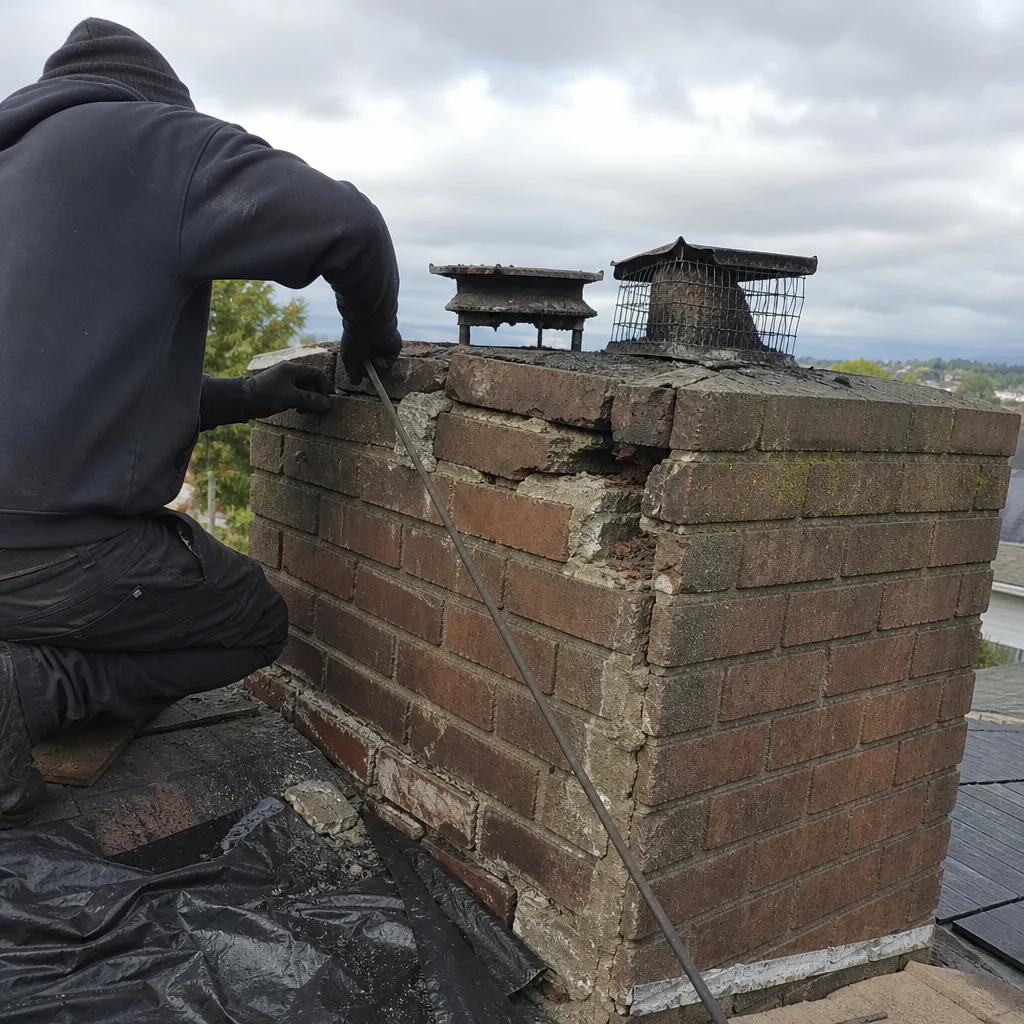 Before
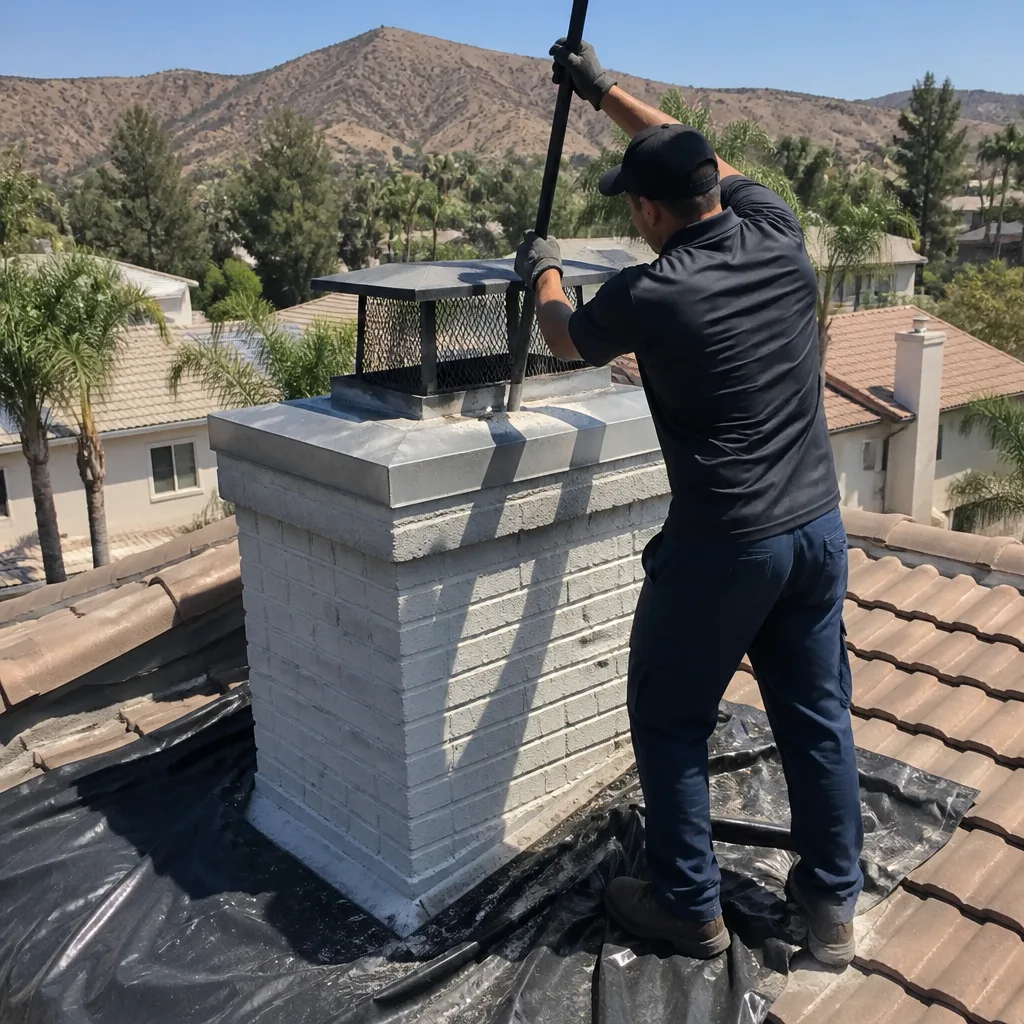 After
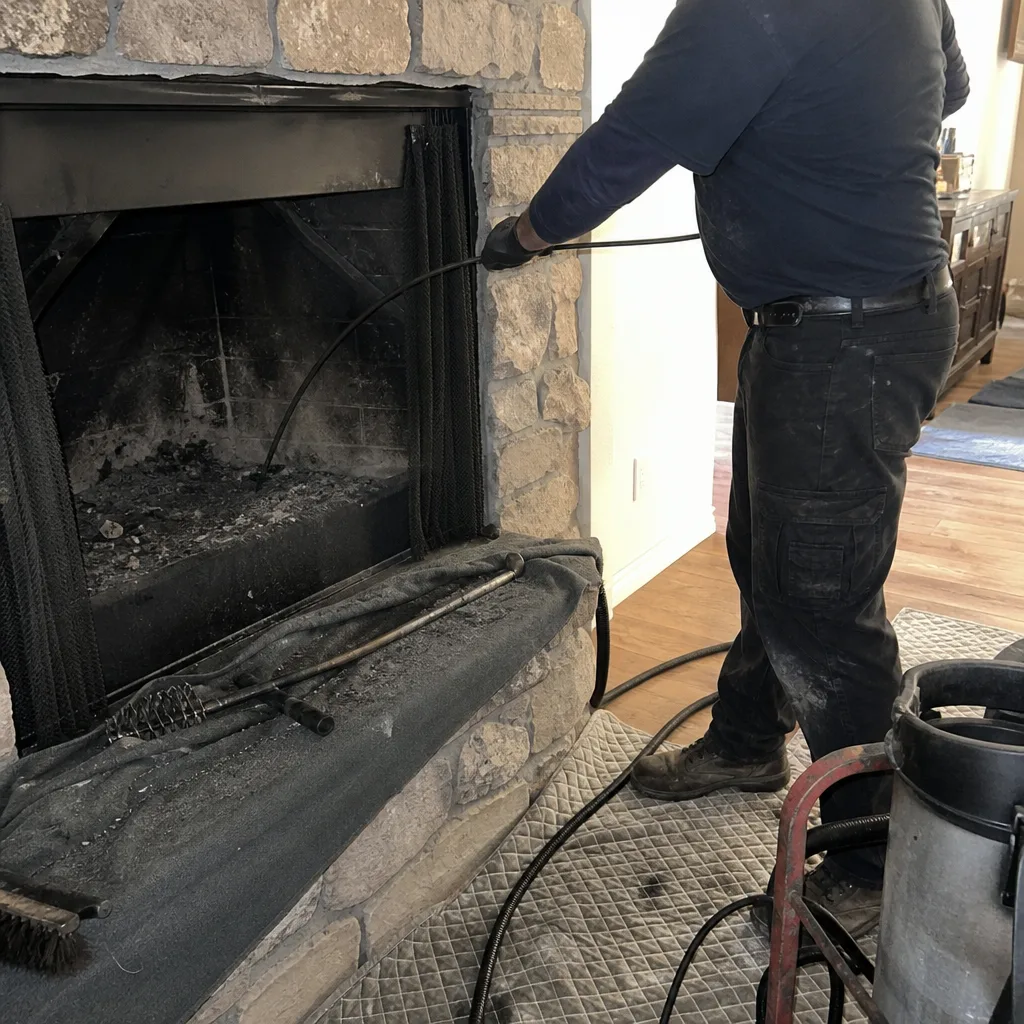 Before
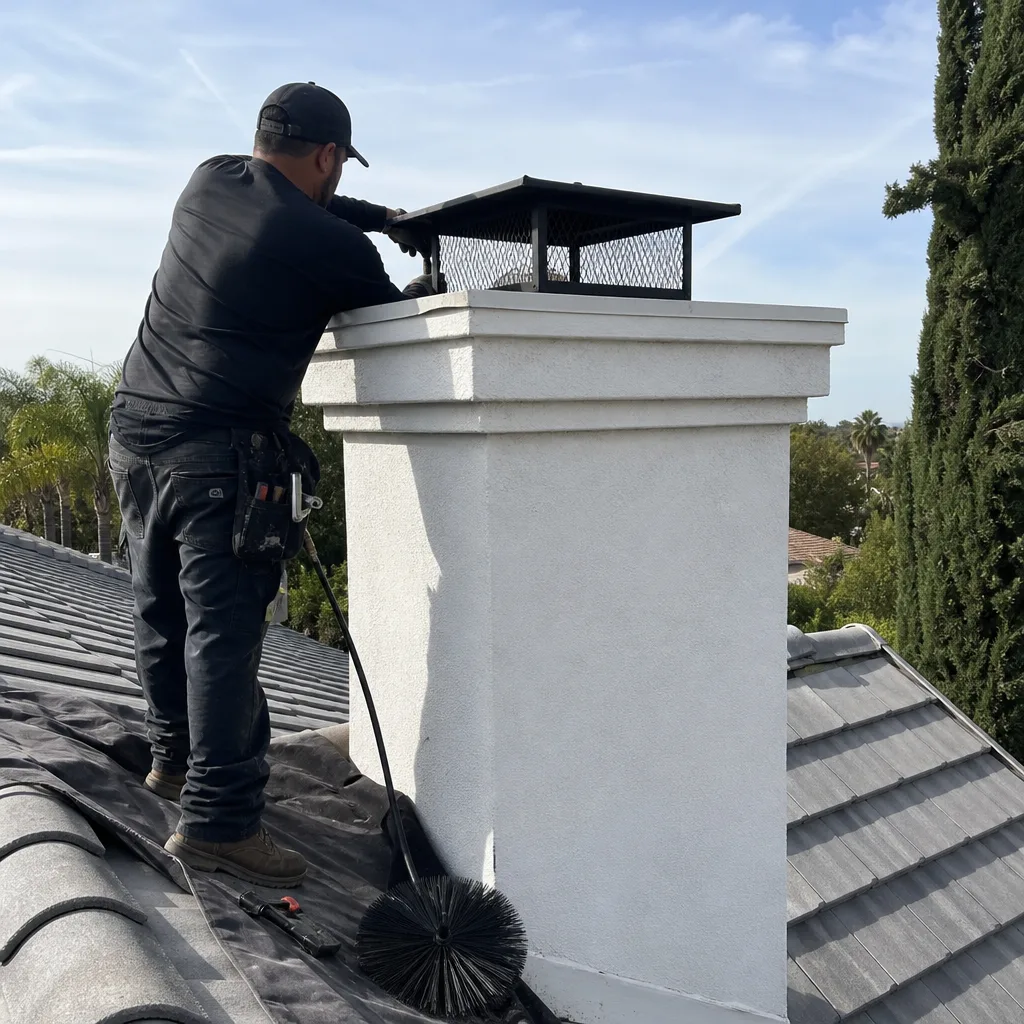 After
When to Call a Professional
If your chimney has been recently exposed to a chimney fire, a seismic event, or significant moisture intrusion visible as staining on interior walls near the chimney, call a professional who can perform a Level 2 inspection with video scanning. If a real estate transaction is in progress and chimney work was done during escrow without permits, call for a documented inspection and a plan for retroactive permitting. If your chimney is showing cracks in the crown, spalling brick, or a damaged cap, those are climate-driven failures common in Menifee that need evaluation before they become structural. If you’re not sure whether the work your chimney needs is permit-exempt or permit-required, the right contractor will tell you honestly and handle the permit process. Chimney Sweep Menifee offers free estimates in Menifee, call (866) 538-1538.
Frequently Asked Questions
No. Routine chimney sweeping is classified as maintenance and is permit-exempt throughout California, including in Menifee and Riverside County. Sweeping removes creosote and soot but changes nothing about the chimney’s structure or fire-resistance assembly. No permit filing is required, and no inspection is triggered by a standard sweep visit. If you’d like a sweep in Menifee, call (866) 538-1538 for scheduling.
Flue liner replacement, firebox repair or rebuild, smoke chamber rebuilds, structural masonry reconstruction, and any chimney addition or relocation require a building permit in Riverside County. The permit is filed through Riverside County Building & Safety, which handles permitting for the City of Menifee. The work must pass a rough inspection and a final inspection before the permit is closed. Chimney cap installation is permit-exempt.
Chimney sweeping in Menifee typically costs between $180 and $340, depending on flue accessibility, creosote accumulation level, and whether a Level 1 or Level 2 inspection is included. Homes with heavy creosote buildup from infrequent cleaning or green wood burning fall at the higher end of that range. Call (866) 538-1538 for an exact quote based on your chimney’s configuration.
If unpermitted chimney work is discovered during a buyer’s inspection, you must disclose it, and the buyer has negotiating leverage to demand retroactive permitting, a price reduction, or both. Retroactive permitting in Riverside County can require opening walls to inspect the installed work, which increases cost significantly. Unpermitted work also creates issues with your homeowner’s insurance policy. A buyer’s inspector asking for permit documentation on a liner replacement that has none is a common deal-killer in the Menifee market.
A Level 1 inspection is adequate if you use the same fuel as always, nothing has changed about your system, and you burn regularly. A Level 2 inspection is required by NFPA 211 when you’re buying or selling a home, changing fuel type, or after any event that could have damaged the flue, including a chimney fire, earthquake, or severe weather. In Menifee’s climate, we recommend a Level 2 inspection during any home purchase transaction, because the heat-cycling and Santa Ana wind exposure common here accelerates hidden flue damage. Call (866) 538-1538 to schedule either inspection level.
Creosote accumulates in the flue, and creosote is combustible. A sufficient accumulation becomes the fuel source for a chimney fire, which can reach temperatures above 2,000 degrees and crack the flue liner, damage the chimney structure, and spread to framing if clearances are inadequate. Even without a fire, heavy creosote blocks proper draft and pushes carbon monoxide back into the living space. The fix for creosote accumulation is a standard chimney sweep, which is permit-exempt and inexpensive compared to the repair costs after a fire. To schedule a sweep in Menifee, call (866) 538-1538.
The Bottom Line
California’s permit rules for chimney work are simple once you understand the maintenance-versus-modification distinction. Cleaning and inspection are permit-exempt. Relining, firebox repair, and structural work require a permit, and skipping the permit creates insurance and resale liabilities that far exceed the cost of doing the paperwork correctly. Menifee’s climate accelerates the specific failure modes that push chimneys from maintenance into modification territory, so regular inspection matters more here than in milder climates. The right contractor tells you where your chimney sits relative to the permit line, documents everything, and installs materials that pass county inspection without drama. That’s the standard to hold. For more guides & resources, visit our blog.
Written by the team at Chimney Sweep Menifee, serving Menifee since 2011.