
Last updated November 2, 2026
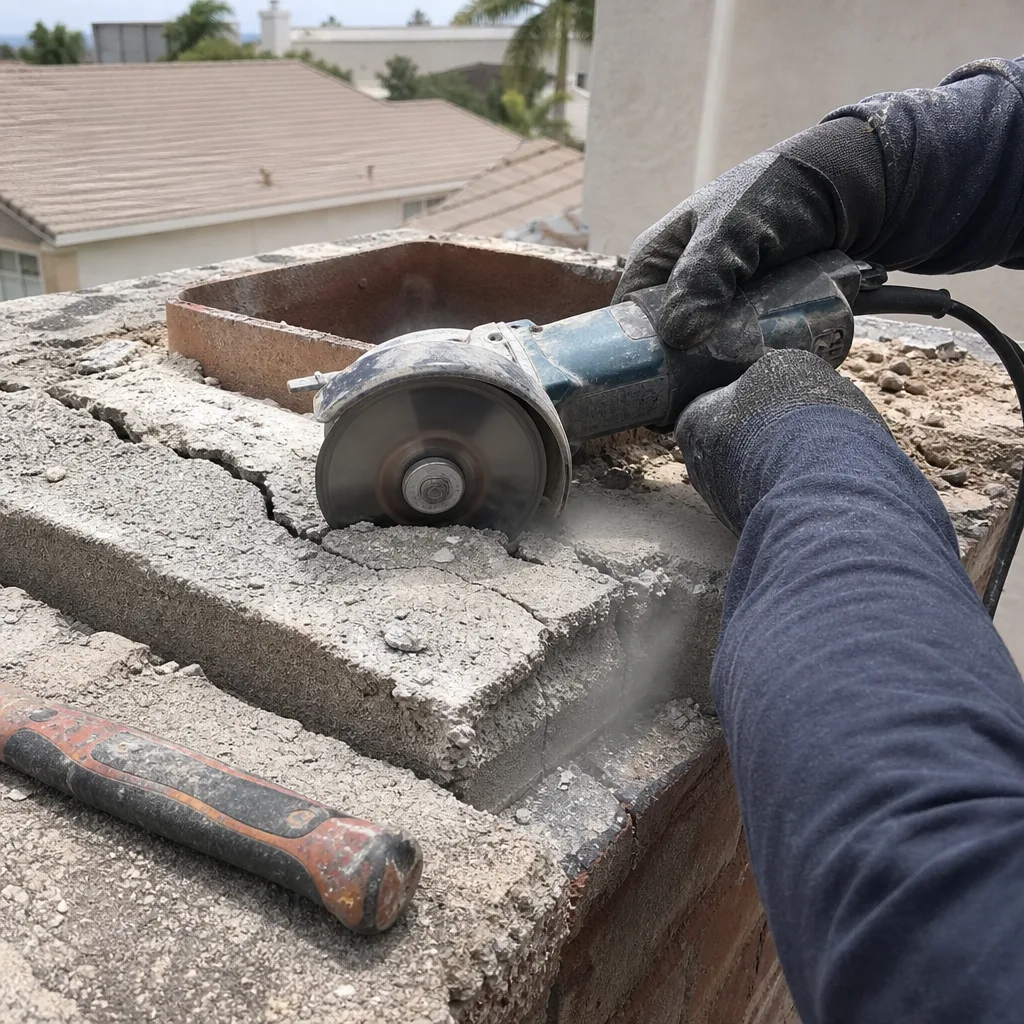
 Sweep & inspection
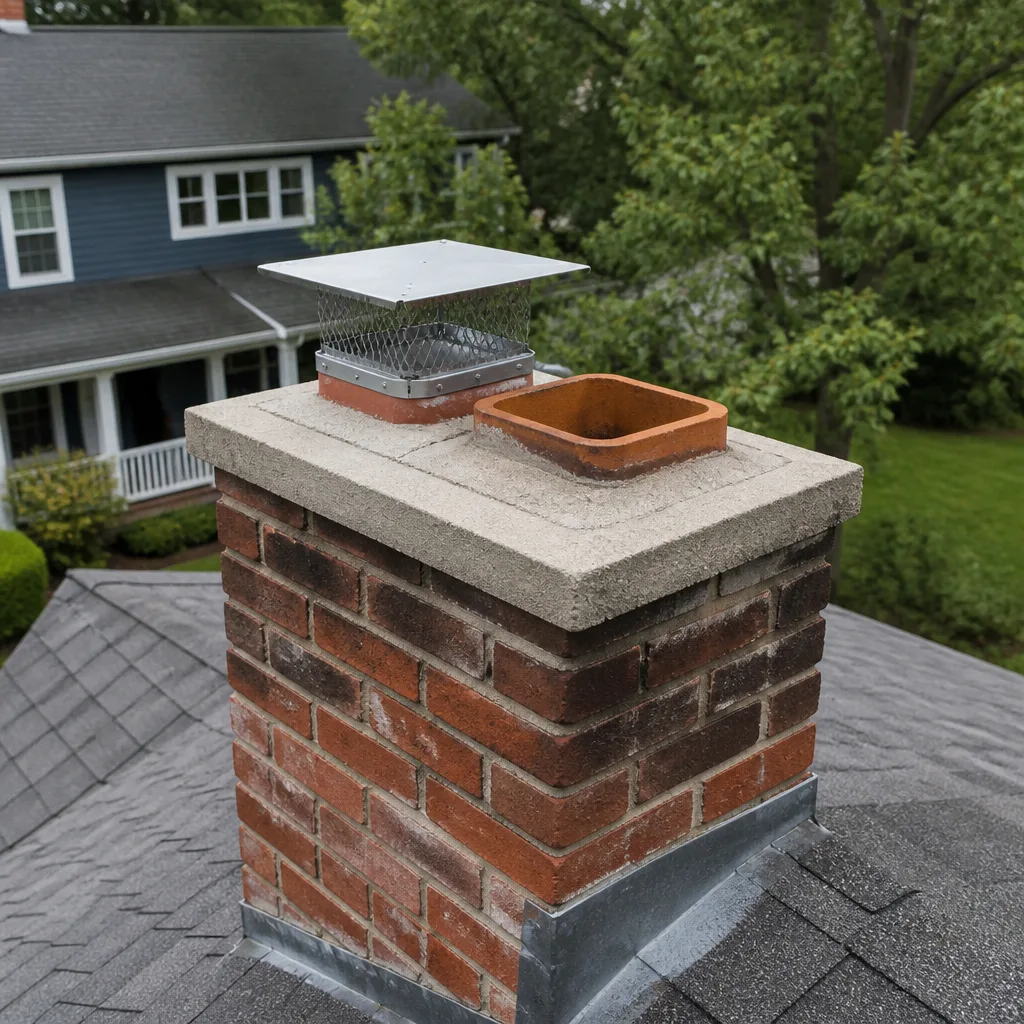
 Caps & crowns
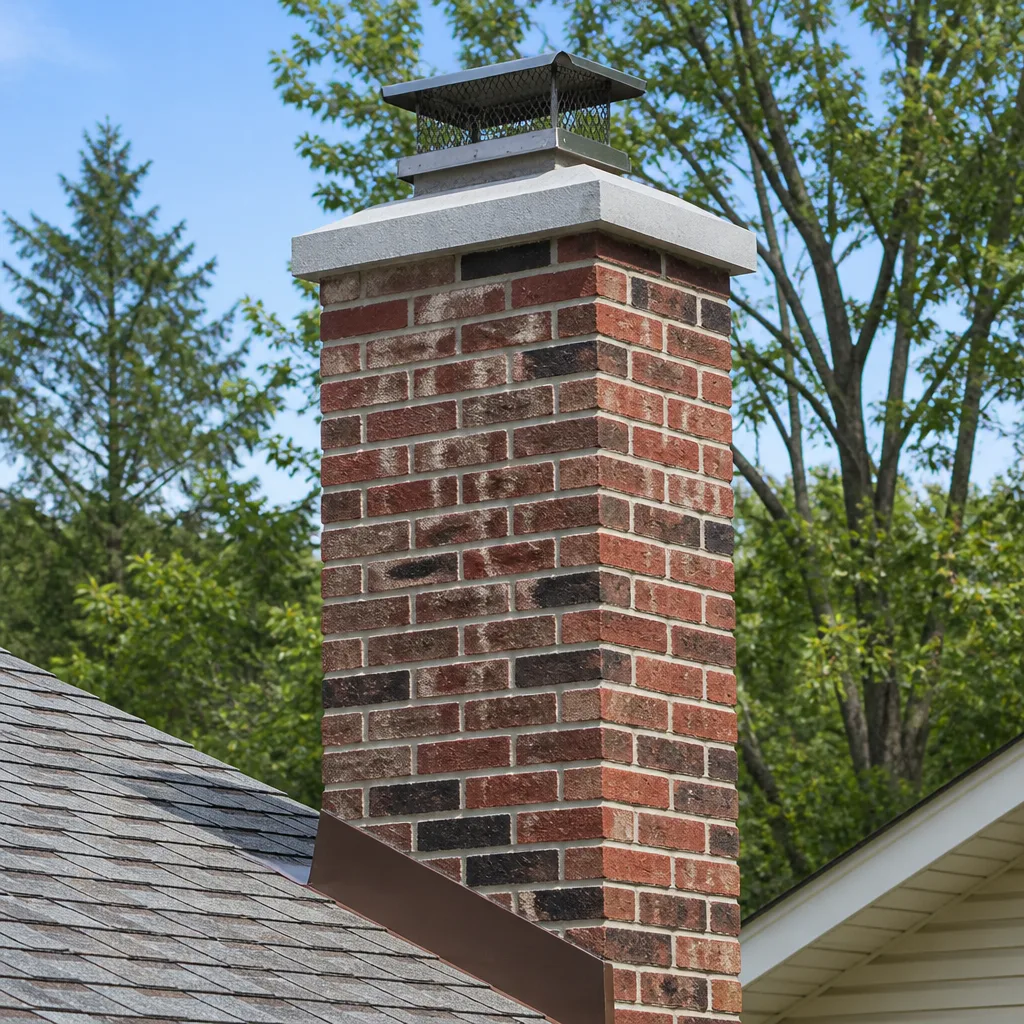
 Flue relining
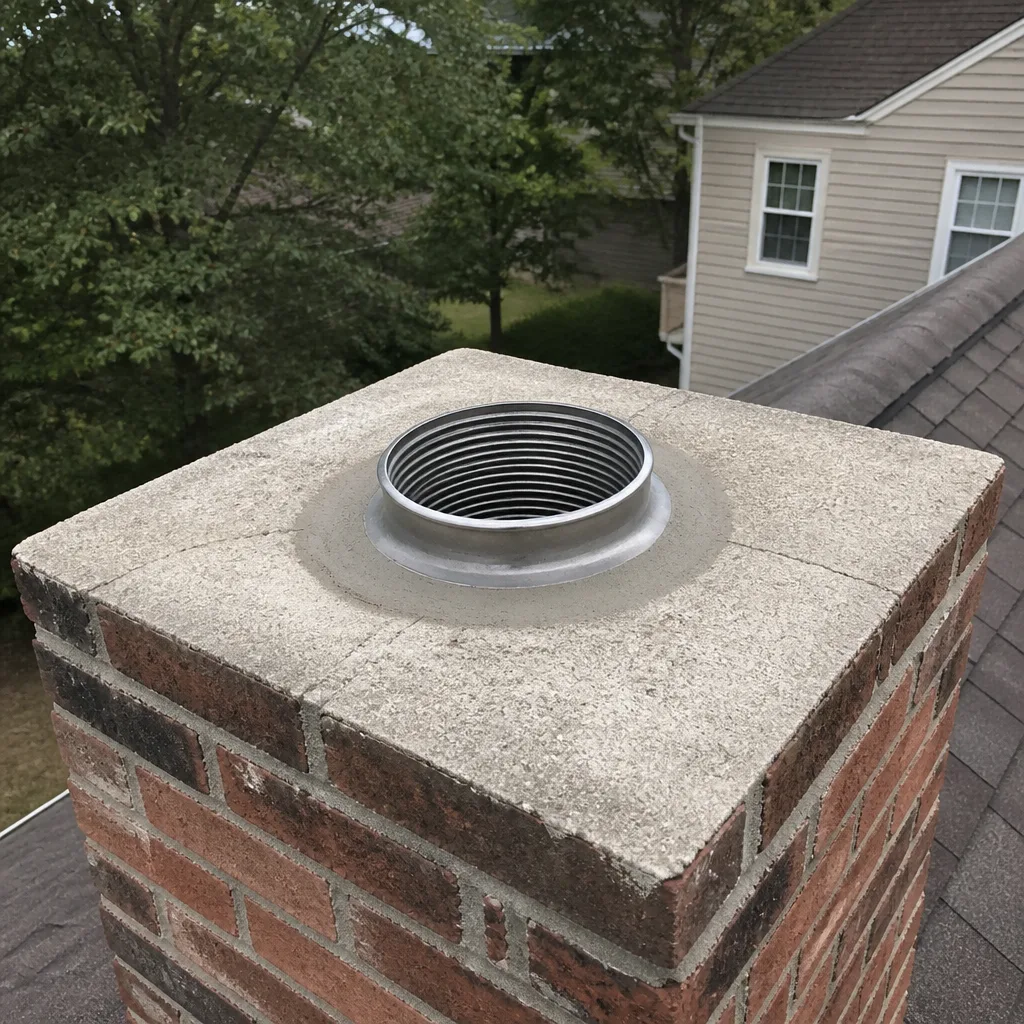
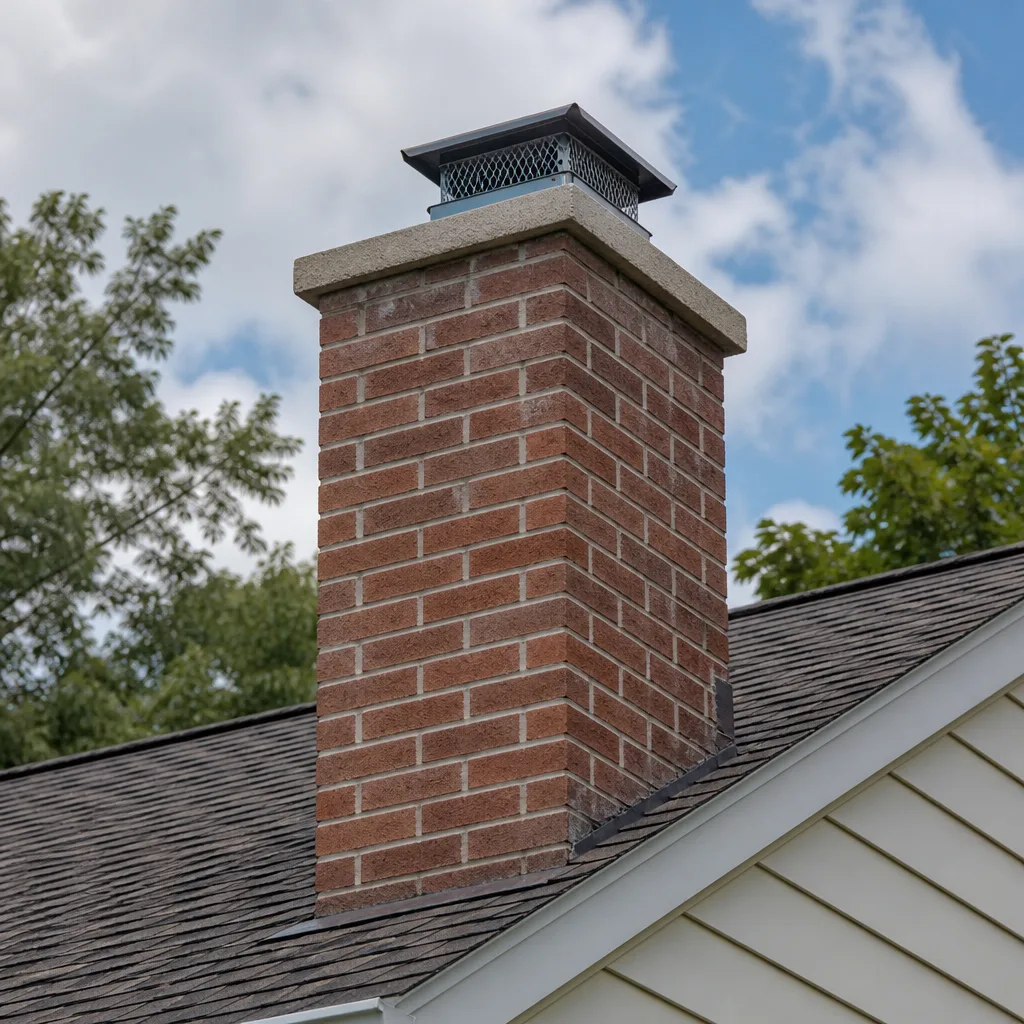 Masonry repair
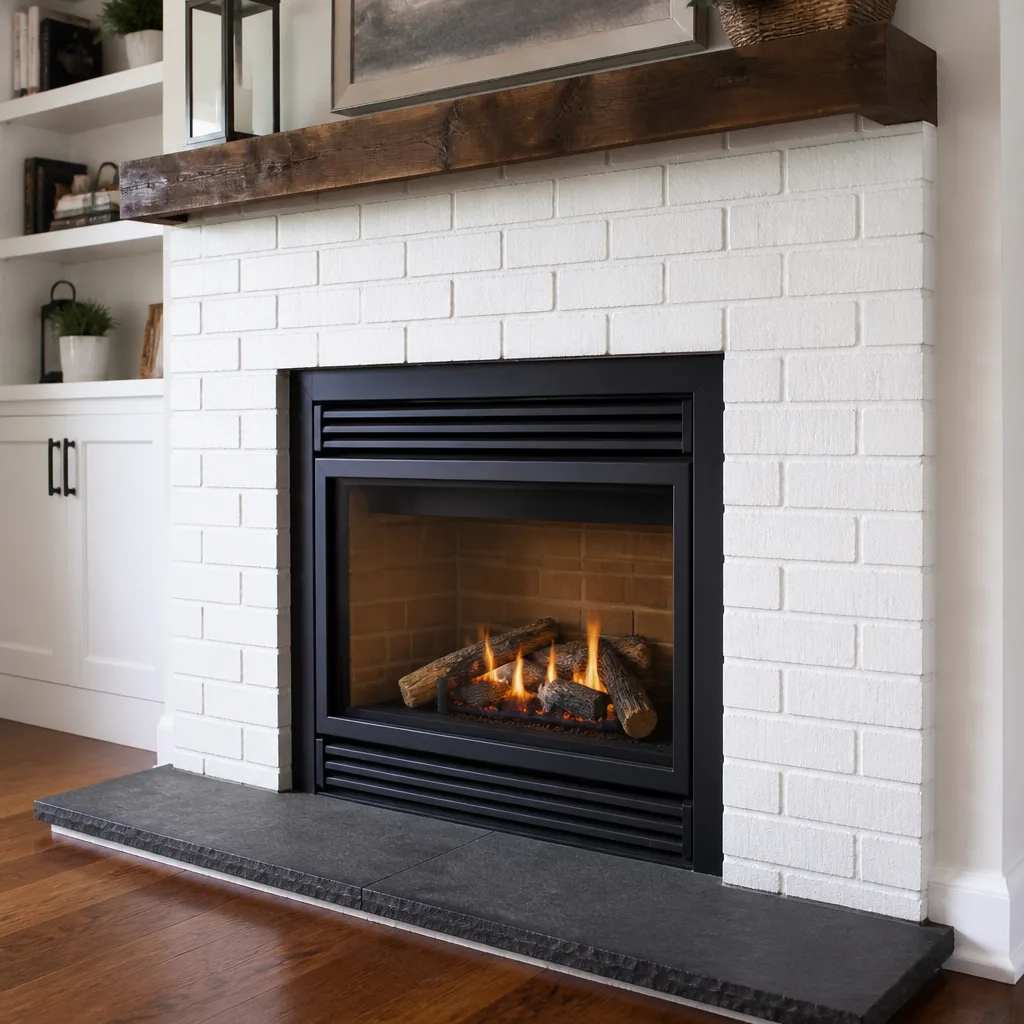 Gas fireplace service
Level 1 sweep and inspection to the NFPA 211 annual standard - flue, crown, cap, and flashing checked and photographed
Chimney sweep logs do not sweep chimneys. They loosen some creosote - which then falls where a brush and vacuum still have to collect it.
How to Hire a Chimney Cleaning Contractor in Menifee: A Step-by-Step Guide
Menifee homeowners call chimney sweeps for the same reason they call plumbers: something stopped working right, and now there’s a mess or a smell. But the difference between a chimney sweep and a plumber is that plumber mistakes leak water onto the floor, while chimney mistakes leak carbon monoxide into the bedroom. The National Fire Protection Association reports that chimney fires account for roughly 25,000 structure fires annually across the United States, most of them traceable to creosote buildup that a qualified sweep would have caught. What gets missed in the marketing noise is that most of those fires happened in homes where the homeowner assumed the last guy who showed up with a brush kit knew what he was doing. This guide walks you through exactly how to vet a chimney cleaning contractor in Menifee, step by step, so the person you hire is the person who actually protects your home.
Styles & brands we work with
- Sweep & inspection
- Caps & crowns
- Flue relining
- Masonry repair
- Gas fireplace service
Quick Answer
Hiring a chimney cleaning contractor in Menifee comes down to three verification steps: confirm CSIA certification on csia.org, ask the five diagnostic questions below before booking, and require a written estimate that names specific materials and scope. A qualified sweep will answer those questions with specifics; a handyman will answer with vagueness. Verifying credentials takes less than ten minutes and eliminates most unqualified bidders before they ever see your fireplace.
Table of Contents
- The Five Diagnostic Questions to Ask Before You Book
- Why CSIA Certification Matters and How to Verify It in 60 Seconds
- Specification-Grade Materials vs. Hardware Store Patch Jobs
- Red Flags Specific to Menifee and the Inland Empire Market
- What a Legitimate Written Estimate Must Include
- Level 1 vs. Level 2 Inspections: Know Which One You’re Paying For
- Why One Call Should Cover Sweep, Repair, and Dryer Vent
- Common Mistakes to Avoid
- When to Call a Professional
- Frequently Asked Questions
- The Bottom Line
The Five Diagnostic Questions to Ask Before You Book
Before you give anyone your Menifee address, get them on the phone and ask these five questions. The answers, or lack of them, will tell you more than any review site. A contractor who cannot answer these directly is either inexperienced or avoiding the truth. Either way, you hang up.
- “What inspection level does my chimney need, and why?” If the contractor says “we’ll figure it out when we get there” without asking about your flue type and last service date, that’s a red flag. A trained sweep knows that a wood-burning fireplace that hasn’t been serviced in three years likely needs a Level 2 inspection, while a gas insert used seasonally may only need a Level 1. The question tests whether they think in terms of inspection standards or just brush strokes.
- “What type of liner does my chimney have?” This is a trick question: they can’t know from a phone call. But a good contractor will say “I can’t tell you that until I see it, and here’s why that matters for your quote.” A bad one will guess or dodge. In our experience, the contractors who admit what they don’t know yet are the ones who inspect honestly.
- “What specific materials do you use for repairs?” Listen for brand names. We specify Chimney Repair in Menifee components like DuraFlex and HeatShield because these are products with documented performance histories. If the answer is “whatever the supply house has,” you’re talking to someone who patches, not someone who repairs.
- “Do you clean dryer vents as part of your service scope?” This question reveals whether the contractor understands combustion-exhaust safety as a system. Chimney and dryer vent hazards share the same root cause: lint and creosote are both fuel loads in an exhaust path. A contractor who treats dryer vent cleaning as an afterthought is missing half the fire-safety picture. We handle Dryer Vent Cleaning in Menifee as a fire-prevention service precisely because the same physics applies.
- “Will you put the scope, materials, and liability coverage in writing before work starts?” If the answer is a verbal “don’t worry, we’re fully covered,” end the call. Verbal quotes leave you exposed. A legitimate Menifee chimney contractor writes down what they’ll do, what they’ll install, and what insurance backs it. Anyone who won’t put it on paper isn’t planning to stand behind it.
What Wrong or Vague Answers Reveal
A contractor who says “we’ll do a full cleaning and check everything” without mentioning inspection levels hasn’t been trained in current chimney safety standards. A contractor who says “we use the same stuff everyone uses” doesn’t stock specification-grade materials and won’t be able to tell you what’s going into your flue. A contractor who quotes a flat price before asking about your fireplace type is pricing the lowest common denominator, not your actual chimney. Each vague answer is a data point. Collect enough of them and the pattern becomes clear.
Why CSIA Certification Matters and How to Verify It in 60 Seconds
The Chimney Safety Institute of America is the only nationally recognized credentialing body for chimney sweeps in the United States. Certification requires passing a written exam on fire codes, clearances, construction, and inspection standards, plus ongoing continuing education. It is not a participation trophy. But the certification only matters if the person standing in your Menifee living room actually holds it.
- Go to csia.org and click “Find a Certified Professional.”
- Enter your ZIP code, 92584 for central Menifee, or use the city search.
- Look for the contractor’s name in the results. Certification is individual, not company-wide, so check the specific technician’s name, not just the business name.
- Confirm the certification is current. CSIA lists expiration dates.
- If the contractor isn’t in the database, ask why. There is no good answer.
This verification takes about sixty seconds. In Menifee’s competitive market, where flyers show up after every wildfire season, that minute is the cheapest insurance you’ll ever buy. A contractor who claims certification but isn’t on csia.org is either lying or let it lapse. Both are disqualifying. We encourage every homeowner to run this check before calling us or anyone else. The standard protects the whole trade.
Level 1 vs. Level 2 Inspections: Know Which One You’re Paying For
Chimney inspections are defined by the National Fire Protection Association under NFPA 211, and the levels exist for a reason. A Level 1 inspection covers the readily accessible portions of the chimney interior and exterior. It’s appropriate when you’ve been using the same appliance under the same conditions and nothing has changed. A Level 2 inspection adds video scanning of the flue interior and is required when you’re buying or selling a home, after a chimney fire, after a seismic event, or when you’re changing fuel type, such as converting a wood-burning fireplace to gas.
Menifee sits in a seismically active region. The Elsinore Fault runs close enough to matter. If your home has experienced even moderate shaking, a Level 2 inspection is the only way to confirm the flue liner hasn’t cracked in a place you can’t see from the top or the firebox. A contractor who recommends a Level 2 without explaining why is upselling. A contractor who never mentions inspection levels at all is not performing to code. The estimate should state which level you’re paying for and why.
A proper Level 2 inspection uses a camera. We include camera inspection and a photo report with every sweep because the condition of the flue interior is the single most important data point in chimney safety. If a contractor can’t show you the inside of your flue, they’re asking you to take their word for something you could see with your own eyes. Don’t accept that.
Specification-Grade Materials vs. Hardware Store Patch Jobs
Here’s where hiring in Menifee gets specific. Most chimney cleaning companies offer sweeping. Fewer offer repair. Far fewer stock materials that meet the spec sheets. That distinction matters because a chimney sweep who finds a crack in your flue and can’t fix it has just delivered bad news with no next step. A chimney specialist who stocks repair components can fix the problem on the same visit.
We specify DuraFlex for flexible liner systems because non-standard flue configurations, the kind common in older Menifee homes with offset chimneys, require a liner that can navigate turns without kinking or compromising the vent path. A rigid liner simply cannot follow some flue geometries. Using the wrong liner material is not a minor shortcut. It creates a venting path that fails under heat load and sends exhaust where it was never meant to go.
We use HeatShield for chimney liner resurfacing because it gives homeowners a middle option between doing nothing and full liner replacement. A full liner replacement might run several thousand dollars. HeatShield resurfacing restores the existing liner’s integrity at a lower cost, without cutting into masonry or rebuilding the chimney chase. Most sweep competitors in the region don’t even offer this option because it requires certification and specialized application equipment. We carry it because we see cracked liners in Menifee homes weekly, and not every crack requires a full replacement.
We cap flues with Gelco products and use Olympia Chimney and Famco venting components for the same reason: these are names that show up in contractor supply catalogs across the country, specified for real-world weather exposure, not whatever the big-box store had on the shelf. When a repair is done, we want the homeowner to know exactly what went into their flue and why. That transparency is part of what you’re paying for when you hire a specialist instead of a handyman.
Red Flags Specific to Menifee and the Inland Empire Market
Menifee’s chimney market has a seasonal rhythm, and the rhythm creates opportunity for operators who don’t belong in the trade. Here’s what to watch for.
- The post-wildfire surge crew. After a big fire season in the San Bernardino National Forest or the foothills near Hemet, out-of-area crews flood Riverside County with door hangers and Facebook ads. They’re often unlicensed in California, operating on a quick-cash basis, and they’re gone before the next season. If the phone number is a Google Voice number and the address is a P.O. box, that’s your signal.
- The “too low to be real” quote. A legitimate Menifee chimney sweep has to cover CSIA continuing education, liability insurance, equipment maintenance, and fuel. If someone quotes $49 for a full sweep and inspection, the math doesn’t work. What you’ll get is a brush through the flue and a hard sell on “urgent repairs” once they’re inside. The lowball is a door-opener, not a price. We’ve heard from Menifee homeowners who took the $49 special and ended up with a $2,000 verbal quote for masonry work they couldn’t verify.
- The vanishing subcontractor. Some Menifee “chimney companies” are actually lead-generation fronts that sell your job to a subcontractor. You never know who’s coming to your door. Ask on the phone: “Who will be doing the work, and are they your employees or subcontractors?” If there’s hesitation, move on. Single-company accountability means the person who inspects is the person who cleans is the person who repairs. We keep sweep, repair, and dryer vent work under one roof specifically so you never have to chase a third party.
- The license that doesn’t match the scope. California requires a contractor’s license for chimney work that goes beyond basic sweeping, and the license classification matters. A handyman with a general B license can legally do some work, but chimney-specific repair and liner installation may require a C-53 fireplace license or another applicable classification. Ask for the license number and check it on the Contractors State License Board website. If they hesitate, they’re not licensed for what they’re about to do.
- The elusive brick-and-mortar. Menifee is a growing city, and some businesses operate from a truck and a cell phone. That’s not automatically disqualifying, but combined with any of the other red flags, it should be the end of your consideration. A legitimate local business has a local presence you can verify.
What a Legitimate Written Estimate Must Include
A verbal quote is worth the air it traveled through. A written estimate, on the other hand, is a contract-level document that protects you when the work doesn’t match the promise. In Menifee, where fast-talking crews sometimes work the seasonal rush, the estimate is your best defense.
Here’s what a legitimate written estimate must include, line by line:
- Scope of work. What exactly will be done? Sweeping only? Sweeping plus inspection? If the inspection is Level 2, it should say so. If repairs are proposed, each repair gets its own line item. Vague scope language like “clean and service chimney” is a red flag.
- Material specifications. This is the transparency test. If a liner repair is proposed, the estimate should name the material: DuraFlex, HeatShield, or another specified product. If it says “liner material” with no brand or spec, you have no way to verify what’s going into your flue. Know what’s going into your flue is not a slogan. It’s a requirement.
- Liability coverage. The estimate should confirm the contractor carries liability insurance. You don’t need the policy number, but you do need written confirmation that coverage exists. If the contractor is uncomfortable putting that in writing, that’s your answer.
- Timeline. When will the work happen? A one-day sweep is standard. A liner replacement may take two days. The estimate should say so.
- Payment terms. What’s due when? A deposit is sometimes legitimate for large material orders, but a full prepay for a sweep is not. Be wary of any contractor who wants 100% before work begins.
- Warranty terms. What’s covered, for how long, and what voids it? A one-year workmanship warranty is reasonable for standard repairs. If the estimate doesn’t mention warranty, ask.
The estimate is a test of the contractor’s professionalism. A legitimate company generates a written estimate without resistance. Anyone who pushes back is telling you something about how they do business.
Why One Call Should Cover Sweep, Repair, and Dryer Vent
Most Menifee homeowners with a fireplace also have a clothes dryer. Both appliances vent combustion byproducts through an exhaust path. Both accumulate fuel over time: creosote in the chimney, lint in the dryer vent. Both become fire hazards when that fuel builds up, and both are covered under the same fire-prevention logic.
Chimney fires and dryer vent fires have near-identical causes. Airflow restriction. Fuel accumulation. Ignition. The remediation is also the same: remove the fuel, verify the vent path, and confirm proper draft. When you have to schedule two different contractors for two different exhaust paths, you’re doubling the coordination burden and doubling the chance that one of them gets skipped because life gets busy. When one visit covers both, the safety check is actually completed.
This is not a convenience argument. It’s a fire-safety argument. The Menifee homes we service often haven’t had their dryer vent inspected since the dryer was installed. That’s five, ten, sometimes fifteen years of lint accumulating in a wall cavity. We treat Dryer Vent Cleaning in Menifee with the same technical rigor as chimney work because the failure mode is identical. A clogged dryer vent is a chimney fire waiting for a different fuel source.
Consolidating the visit also consolidates the documentation. When one technician has inspected both exhaust paths, you get a complete picture of your home’s combustion-exhaust safety in a single report. No gaps. No unexamined vent. That’s what a full-scope visit should deliver.
Common Mistakes to Avoid
- Hiring on price alone. The cheapest Menifee chimney sweep is usually the most expensive one. Lowball quotes almost always convert into upsell pitches once the contractor is inside the home. Price the quote, but vet the credentials first.
- Skipping the CSIA check. Sixty seconds on csia.org eliminates most of the unqualified operators in the Inland Empire. Most homeowners never run the check. Be the homeowner who does.
- Accepting a verbal estimate. A verbal quote is not an estimate. It’s a suggestion. If the contractor won’t put scope, materials, and liability coverage in writing, you have no recourse when the work doesn’t match the promise.
- Assuming “swept” means “safe.” A brush through the flue removes creosote, but it doesn’t tell you anything about the condition of the liner, the crown, the flashing, or the clearance to combustibles. A proper sweep includes an inspection, and the inspection level should be stated in the estimate.
- Ignoring the dryer vent because “it’s just lint.” The U.S. Fire Administration estimates that dryer fires cause roughly 15,000 structure fires annually. Lint is the fuel. A clogged dryer vent in a Menifee home is as dangerous as a creosote-loaded chimney. Treat both with the same urgency.
- Trusting the “certified” claim without verifying. Anyone can put a certification badge on a website. The only verification that matters is the CSIA directory. If the name isn’t there, the badge is decoration.
- Deferring a cracked liner because the fireplace still works. A cracked liner can allow carbon monoxide into the living space even when the fire burns fine. The fireplace working is not evidence the chimney is safe. If a previous sweep flagged the liner and you haven’t addressed it, schedule a Level 2 inspection before next burn season.
When to Call a Professional
Call a chimney professional if you smell smoke or a campfire odor in the house when the fireplace isn’t running, if you see dark staining on the walls above the fireplace, if the damper is rusted or stuck, or if you’ve experienced a chimney fire, even a small one. Call if you’re buying or selling a home in Menifee and the chimney hasn’t been inspected within the last year. Call if you’ve used the fireplace for more than a season and can’t remember the last sweep date. And call if your dryer is taking longer than normal to dry clothes, because that’s the first symptom of a restricted vent. Chimney Sweep Menifee home services cover all of these scenarios. Estimates are free: call (866) 538-1538.
Frequently Asked Questions
A standard chimney sweep in Menifee typically ranges from $150 to $300, depending on the fireplace type, flue configuration, and whether the home has had recent service. For full pricing details, read our Chimney Cleaning Cost Breakdown: The Menifee Homeowner’s Reference for 2026. A Level 2 inspection with video scanning typically adds $100 to $200. Homes with attached dryer vent cleaning, which we recommend combining for the same visit, can expect a bundled price that reflects the combined scope. These are Menifee market ranges, not quotes. Call (866) 538-1538 for an exact figure based on your home, and we’ll send a written estimate before any work begins.
The National Fire Protection Association recommends annual inspection and sweeping as needed, regardless of fuel type. For wood-burning fireplaces used regularly during Menifee’s winter months, that usually means a sweep every cord to cord-and-a-half of wood burned. Gas fireplaces need less frequent sweeping but still require annual inspection for venting integrity. The Menifee climate means fireplaces get seasonal, not year-round, use, so the creosote layer accumulates differently than in colder regions. A visual inspection each fall is the minimum.
Not every cracked liner requires full replacement. HeatShield resurfacing can restore the liner’s integrity at a fraction of the replacement cost, provided the underlying structure is sound. We use HeatShield precisely because it gives Menifee homeowners an honest middle option. The only way to know which path applies to your chimney is a video inspection that shows the crack pattern and liner condition. We don’t recommend a full replacement unless the camera evidence supports it, and we show you that evidence before any recommendation. Call (866) 538-1538 for a Level 2 inspection and we’ll walk you through what the camera shows.
Creosote builds up inside the flue with every wood fire. Once it reaches a certain thickness, a hot fire can ignite it, producing a chimney fire that reaches temperatures capable of cracking the liner and spreading to the home’s structure. A cracked liner then allows carbon monoxide into the living space during future fires. The sequence is simple and well-documented, and it’s the reason annual inspection is a code-level recommendation. Menifee’s dry summers mean creosote has more time to harden, which actually makes it more combustible, not less. Skipping a sweep is not a budget decision. It’s a safety deferral with compounding risk. Call (866) 538-1538 to get on the calendar before burn season.
Yes. We handle Chimney Sweep in Menifee and dryer vent cleaning in the same visit because both are combustion-exhaust paths and both benefit from a single inspection cycle. The visit covers the chimney flue, the firebox, the damper assembly, and the full dryer vent run from the dryer to the exterior termination. You get one report, one set of findings, and one written estimate for any repairs. No coordination between contractors, no second appointment, no gap in coverage.
Basic chimney sweeping does not require a specific license in California, but repair work, liner installation, and masonry work generally do require a contractor’s license, often with a classification specific to fireplaces or masonry. The Contractors State License Board maintains a public database where you can verify any license number. We recommend checking before booking any repair scope. If a Menifee contractor won’t provide a license number for repair work, that’s a hard stop. Sweeping itself falls under general service work, but the moment the scope includes repair or installation, the licensing requirement kicks in. Choose a contractor who can handle the full scope without hesitation.
The Bottom Line
Hiring a chimney cleaning contractor in Menifee is a verification exercise, not a price comparison. For more guides & resources on protecting your home, explore our blog. Run the CSIA check. Ask the five diagnostic questions. Require a written estimate that names materials and liability coverage. Look for a contractor who stocks specification-grade components like DuraFlex and HeatShield rather than hardware store patch materials. Treat the dryer vent with the same fire-safety urgency as the chimney. The right contractor answers questions with specifics, shows you camera evidence before recommending work, and documents everything in writing. The wrong contractor answers with vagueness and pressures you into decisions. The difference takes about ten minutes to identify and potentially saves your home.
For a free estimate in Menifee, call (866) 538-1538 or contact us through our website. We’ll schedule a sweep, inspection, or dryer vent cleaning at your convenience and put everything in writing before work begins.
Written by the team at Chimney Sweep Menifee, serving Menifee since 2011.
See the difference
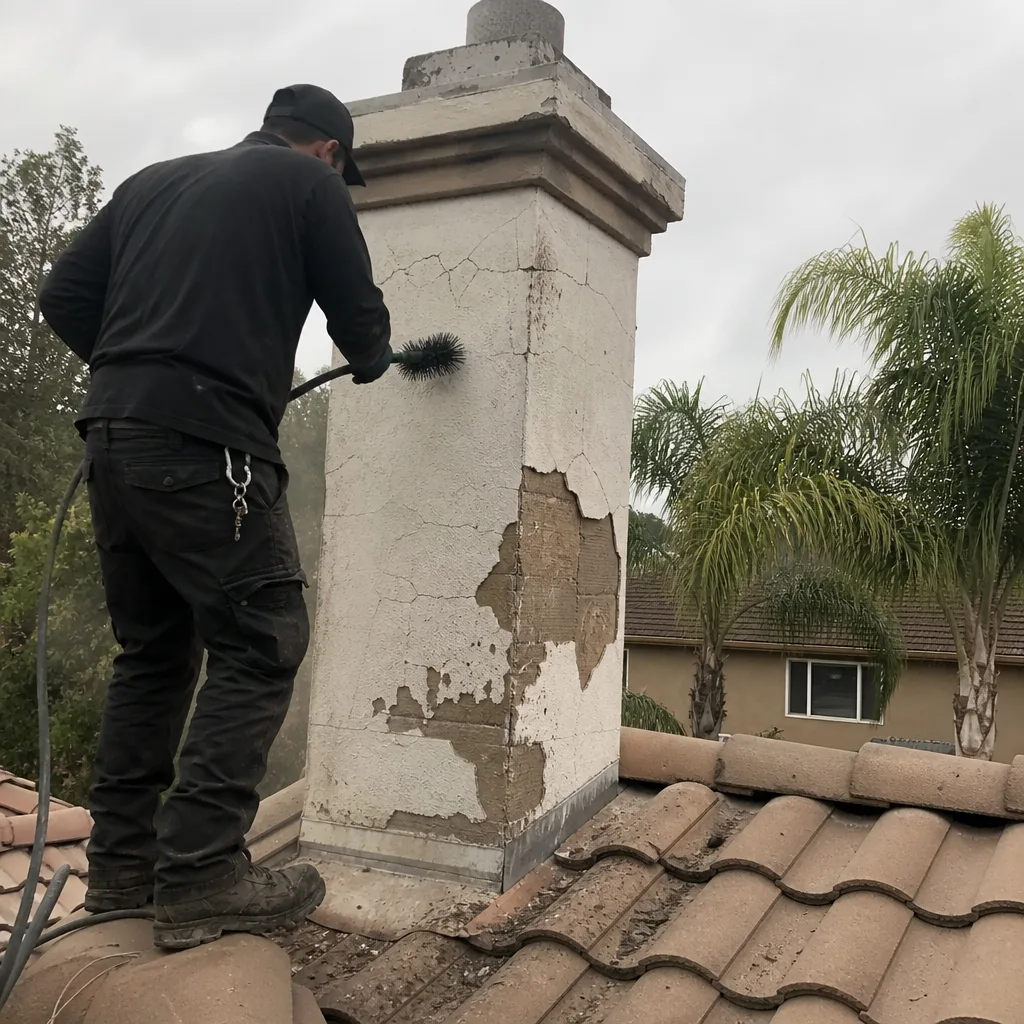 Before
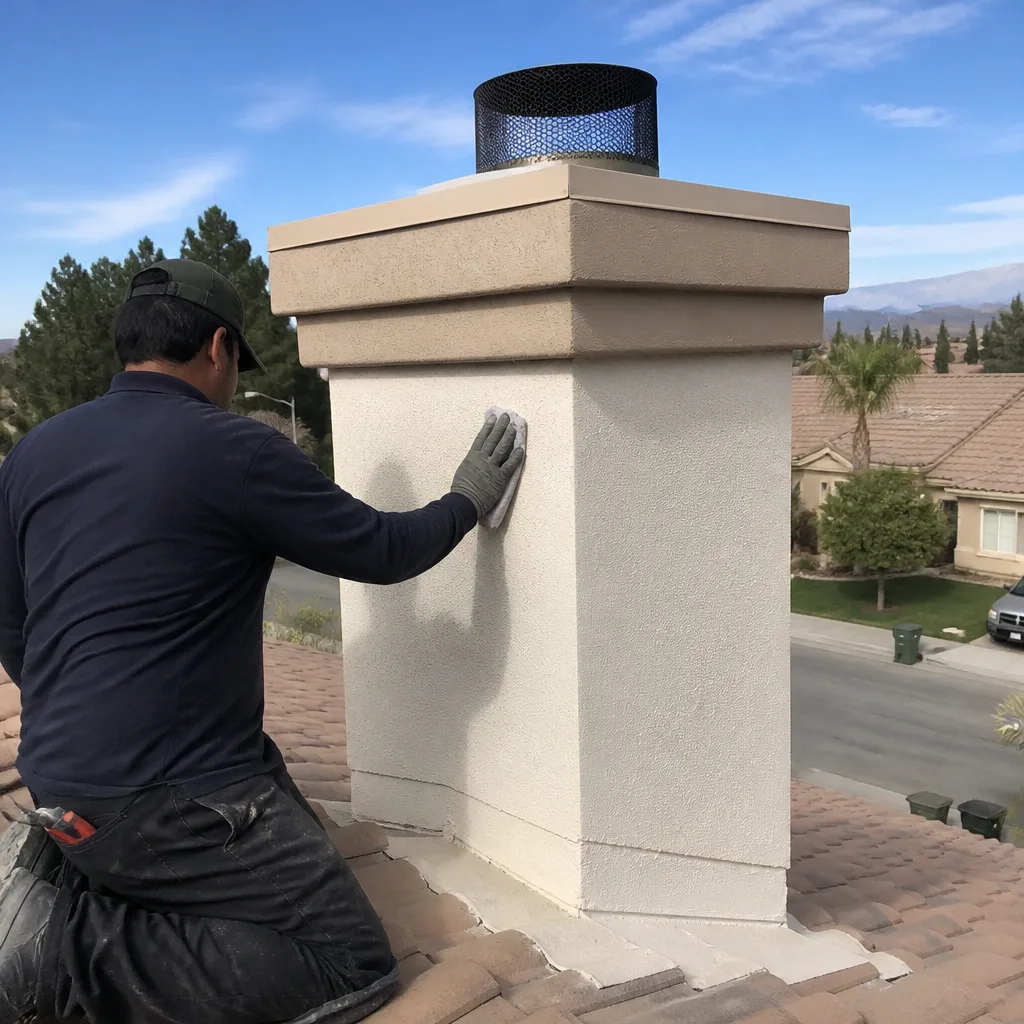 After
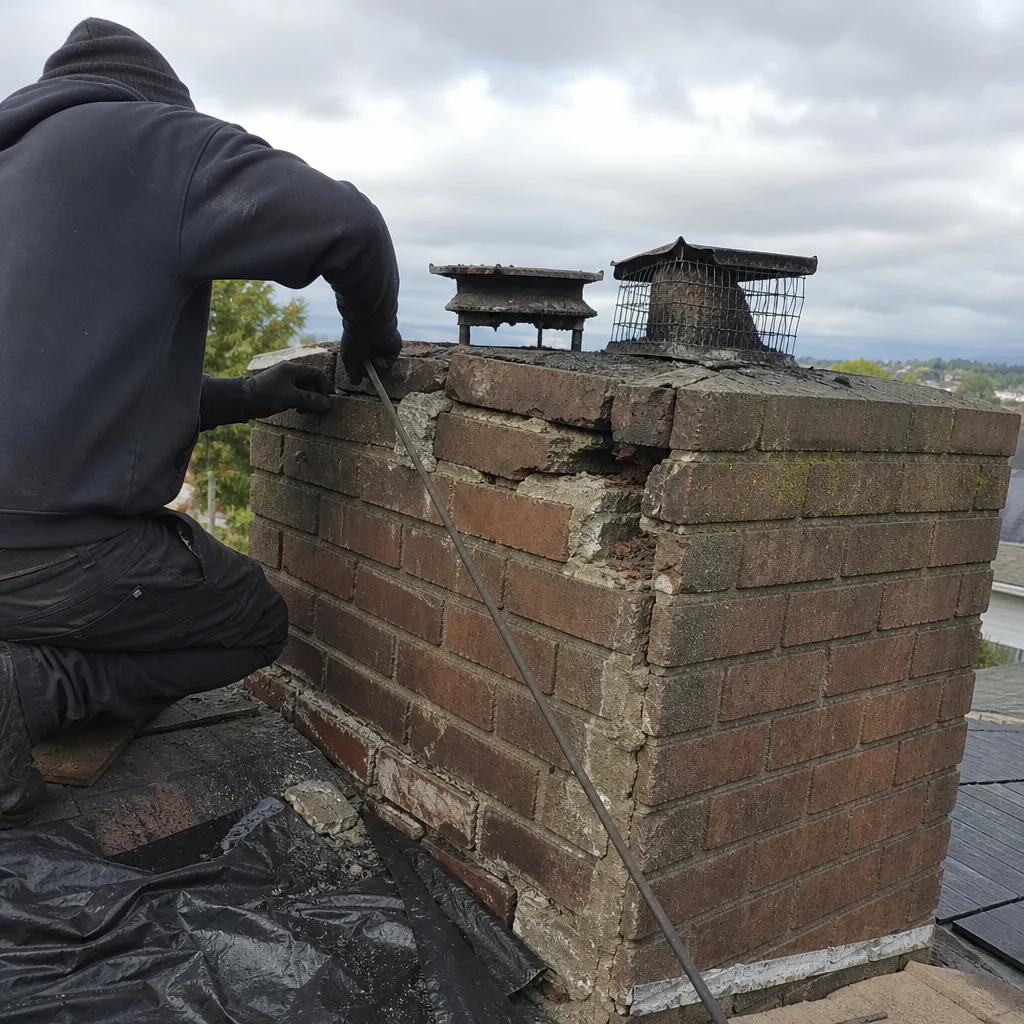 Before
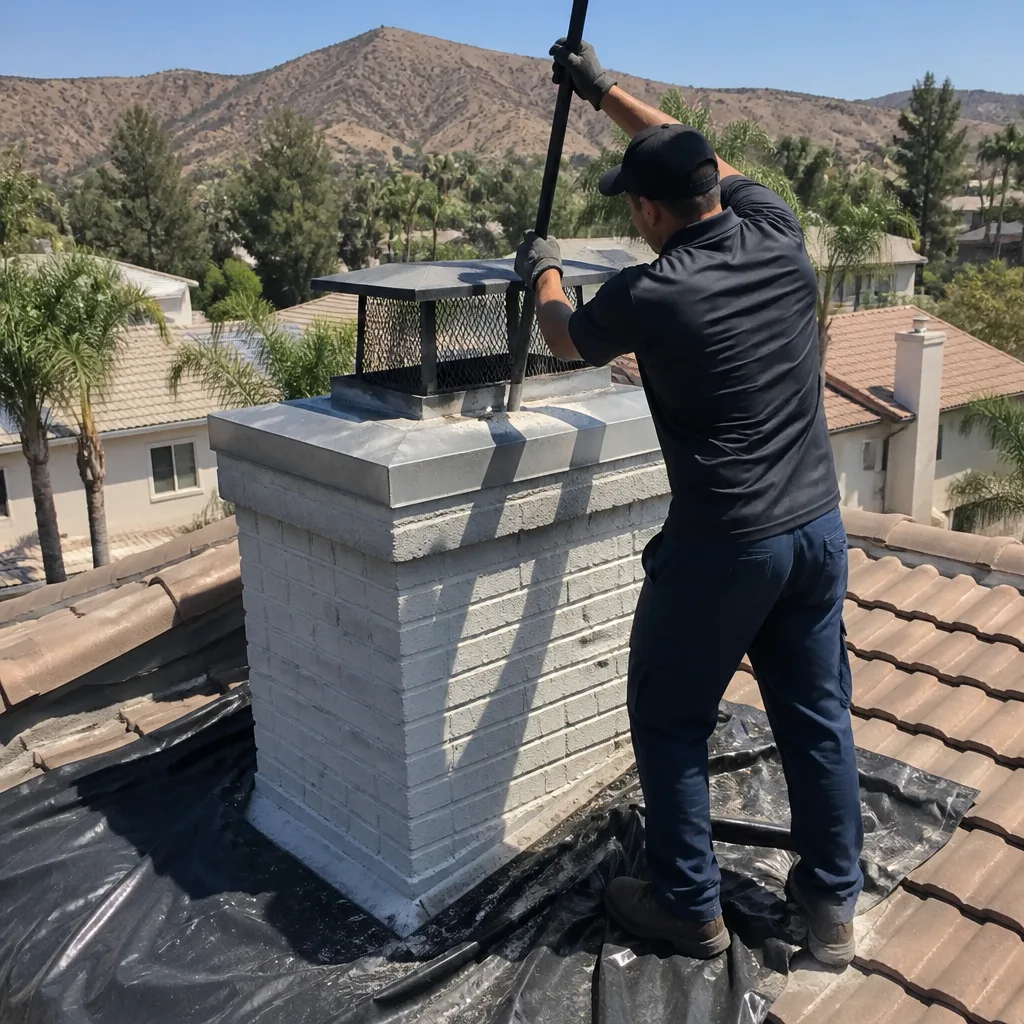 After
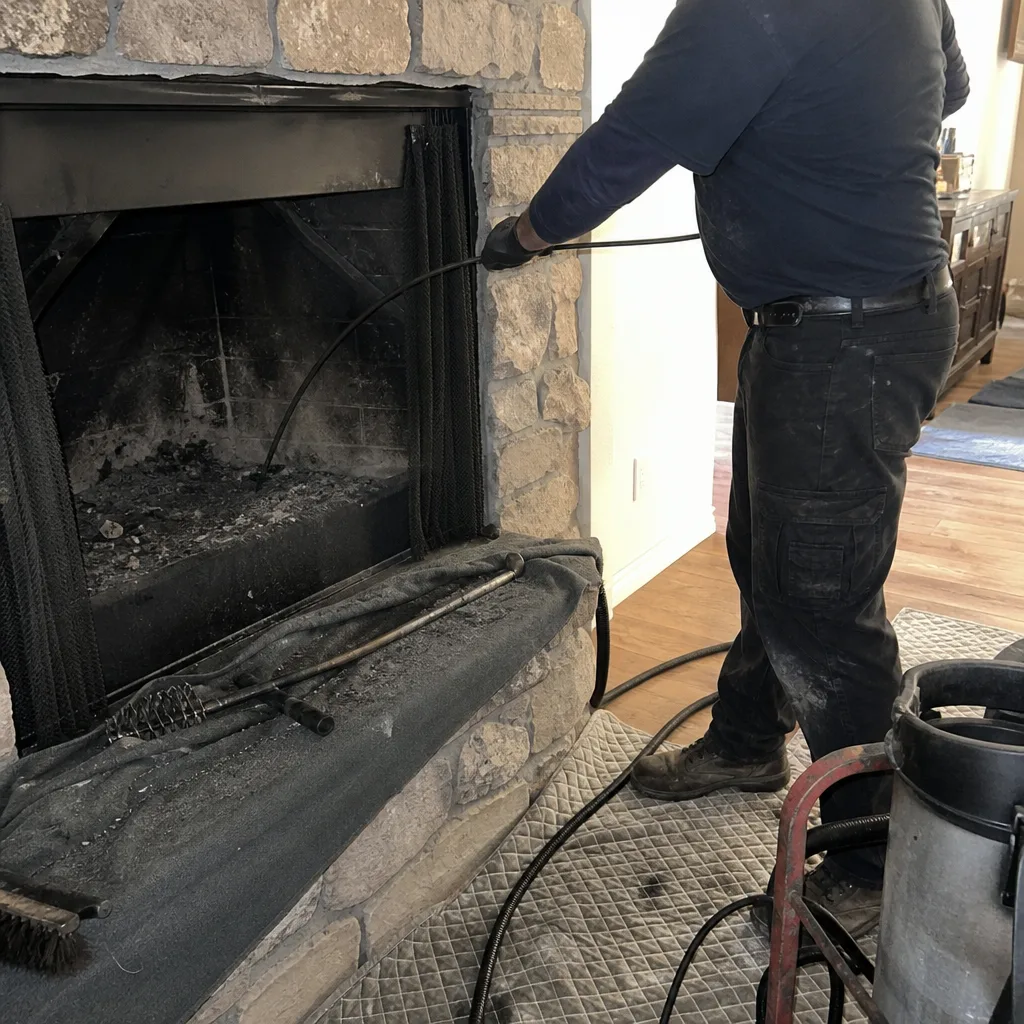 Before
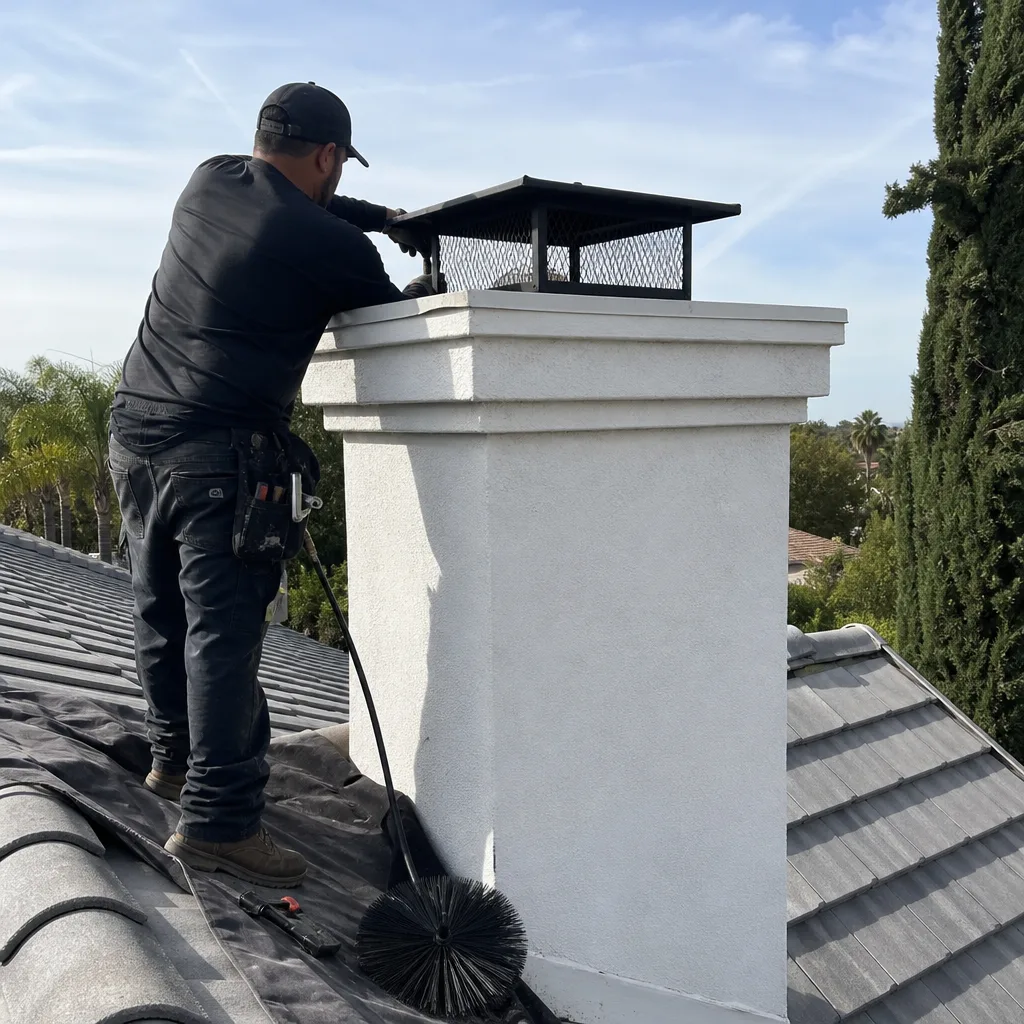 After