
Last updated November 2, 2026
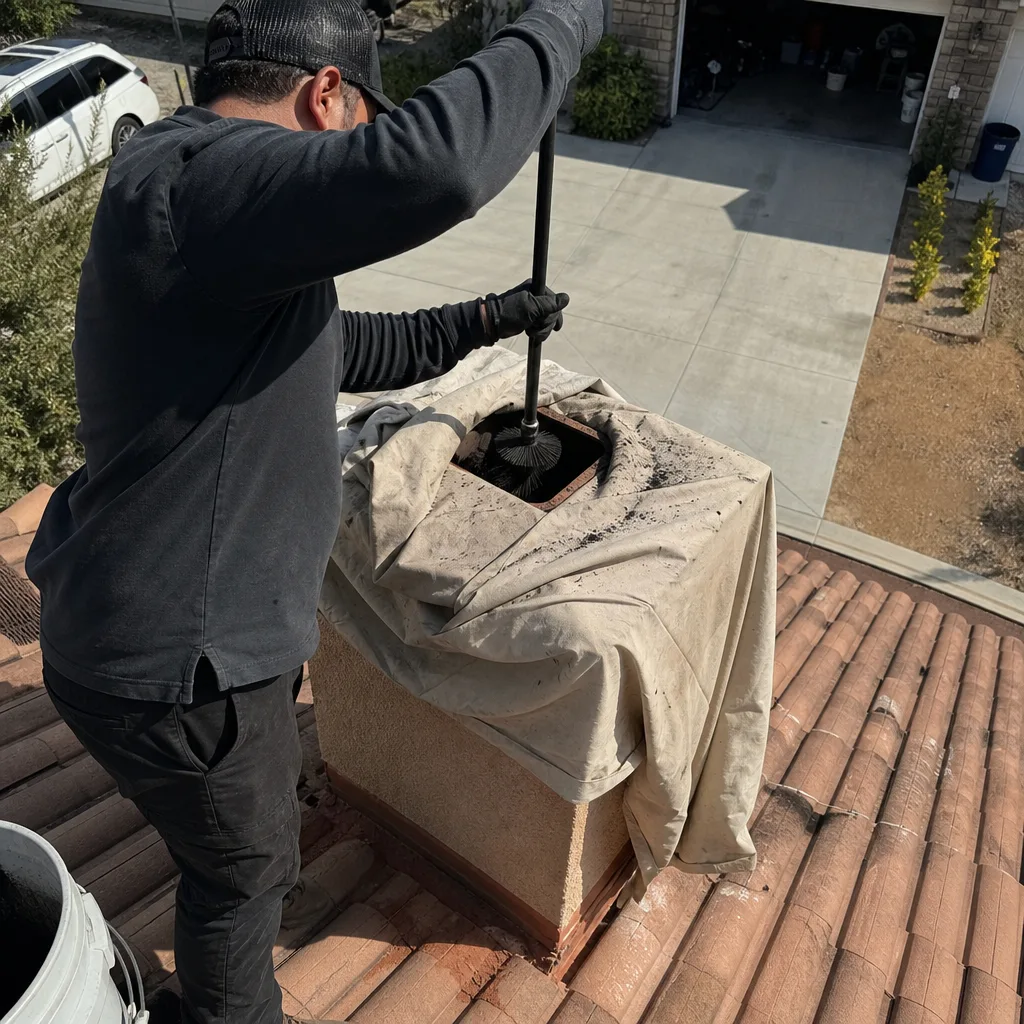
 Sweep & inspection
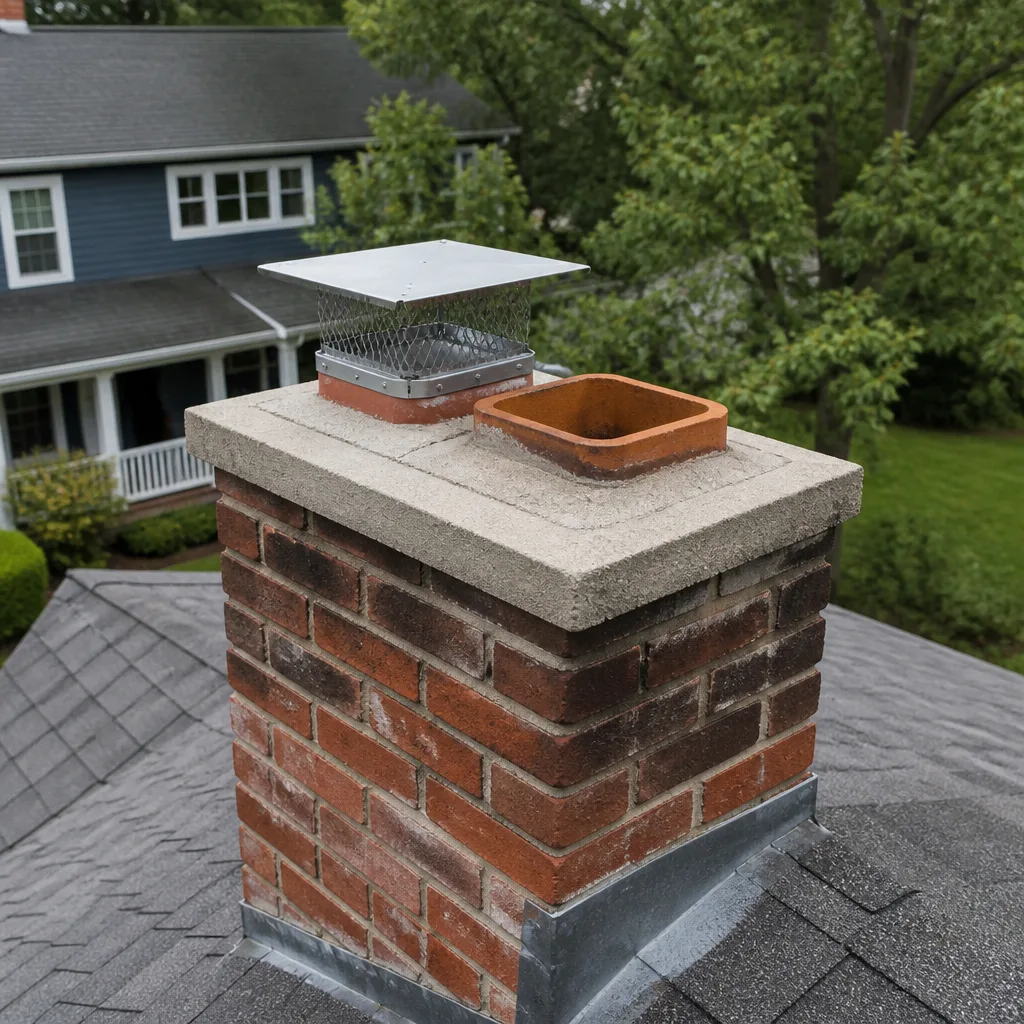
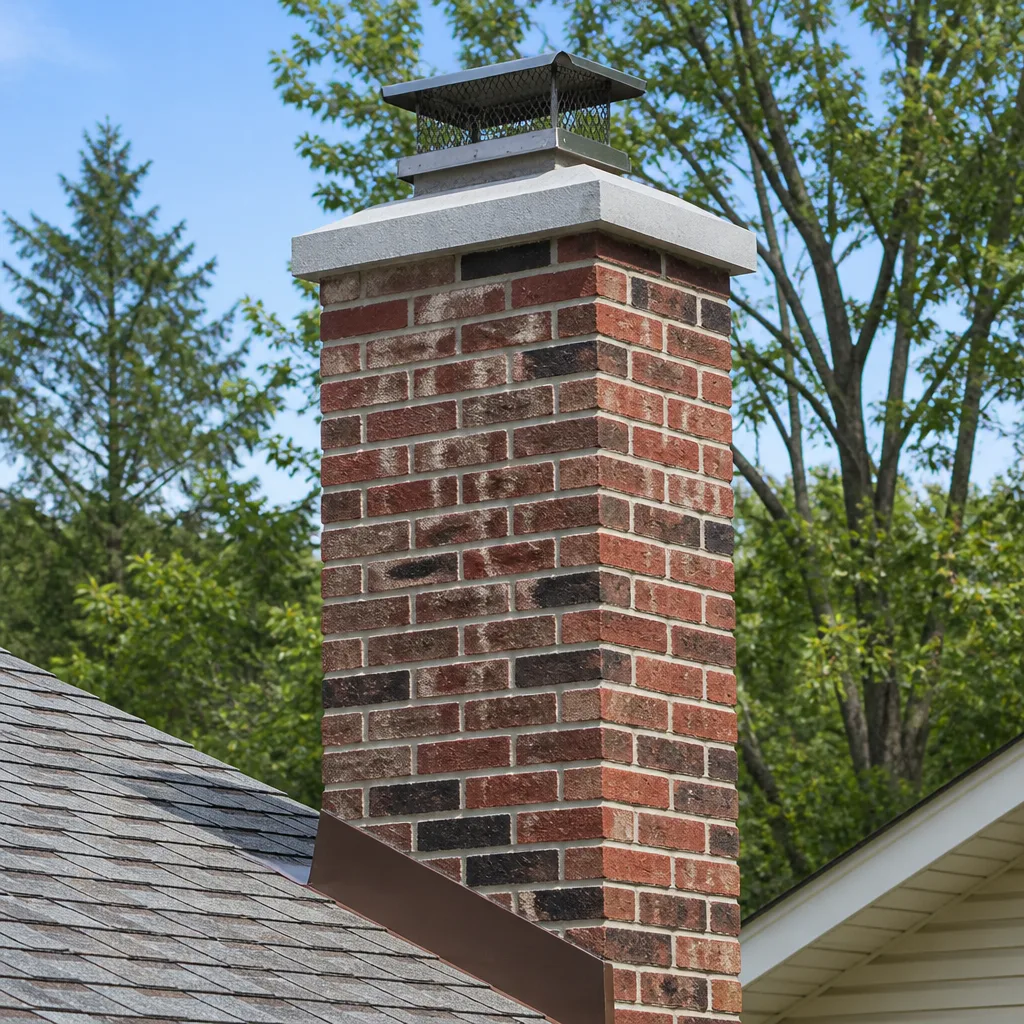 Caps & crowns
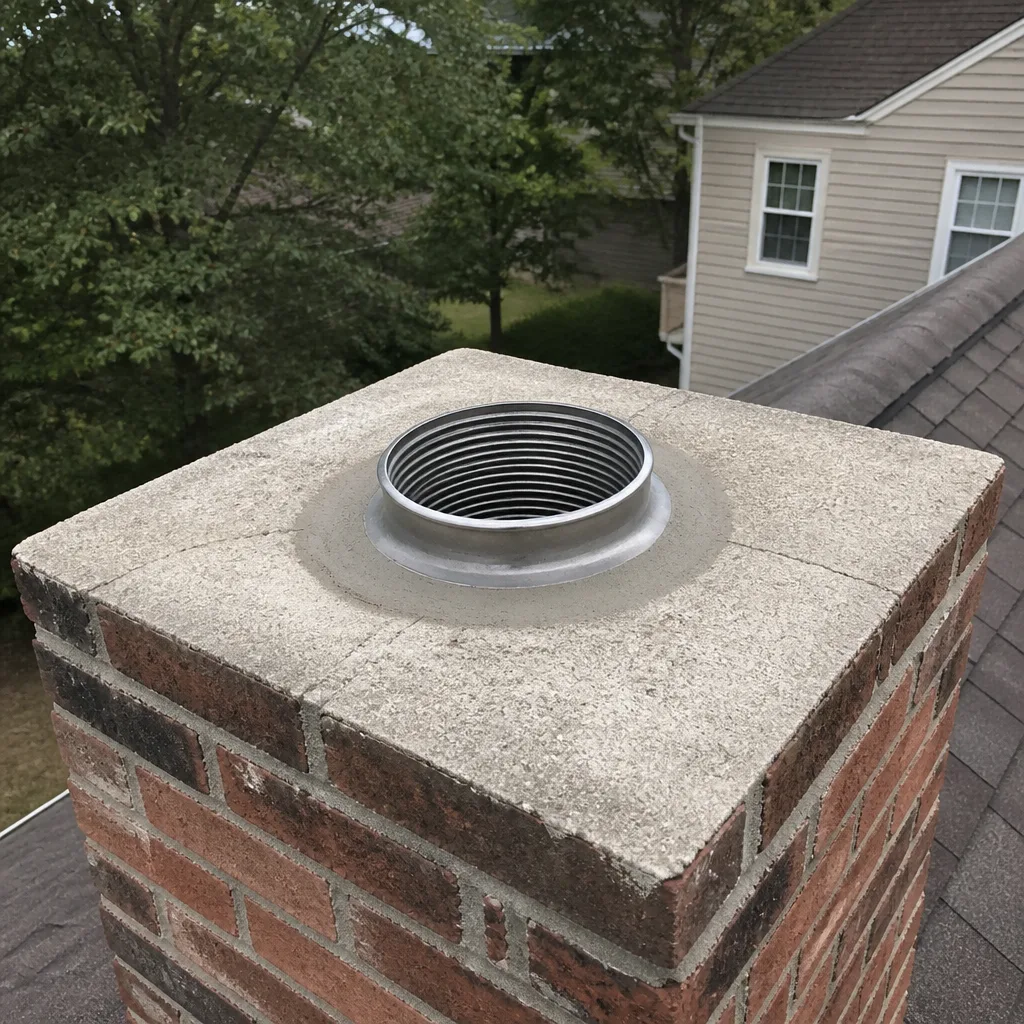 Flue relining
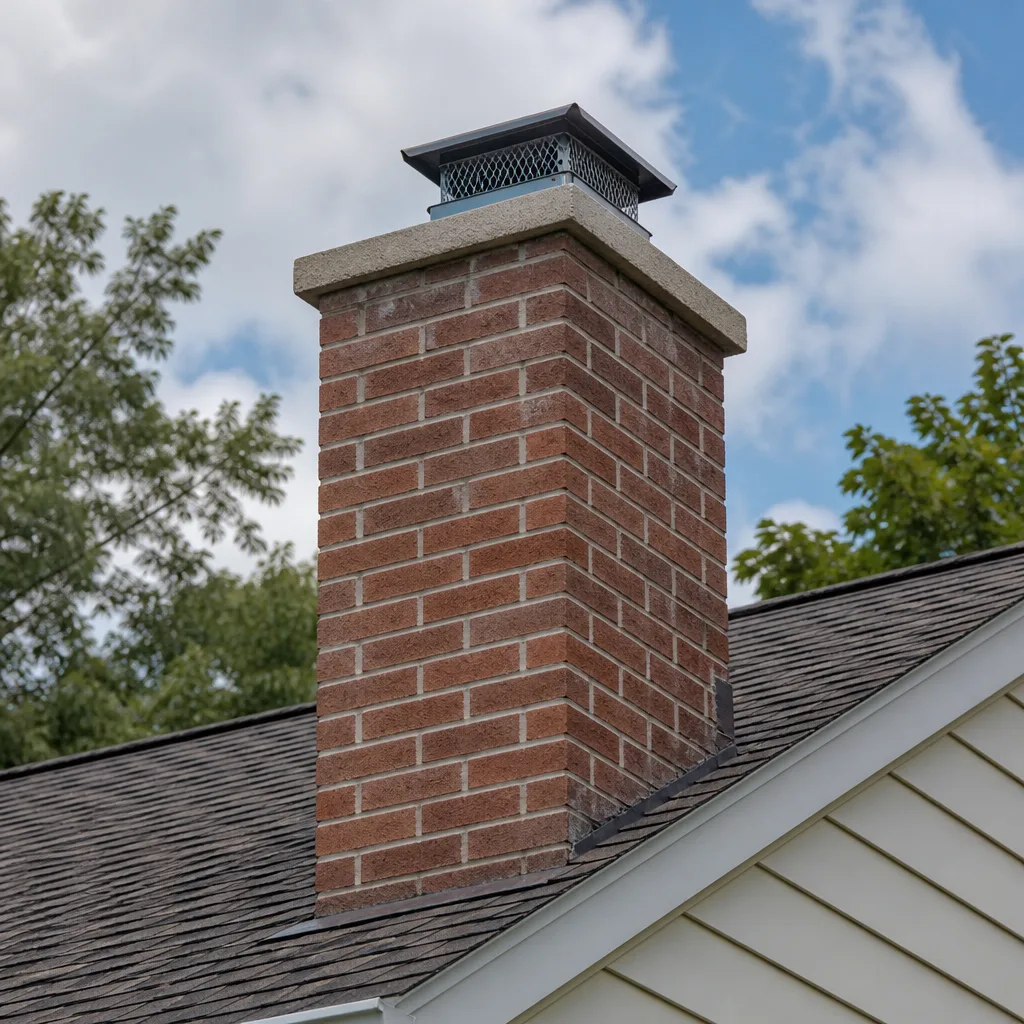 Masonry repair
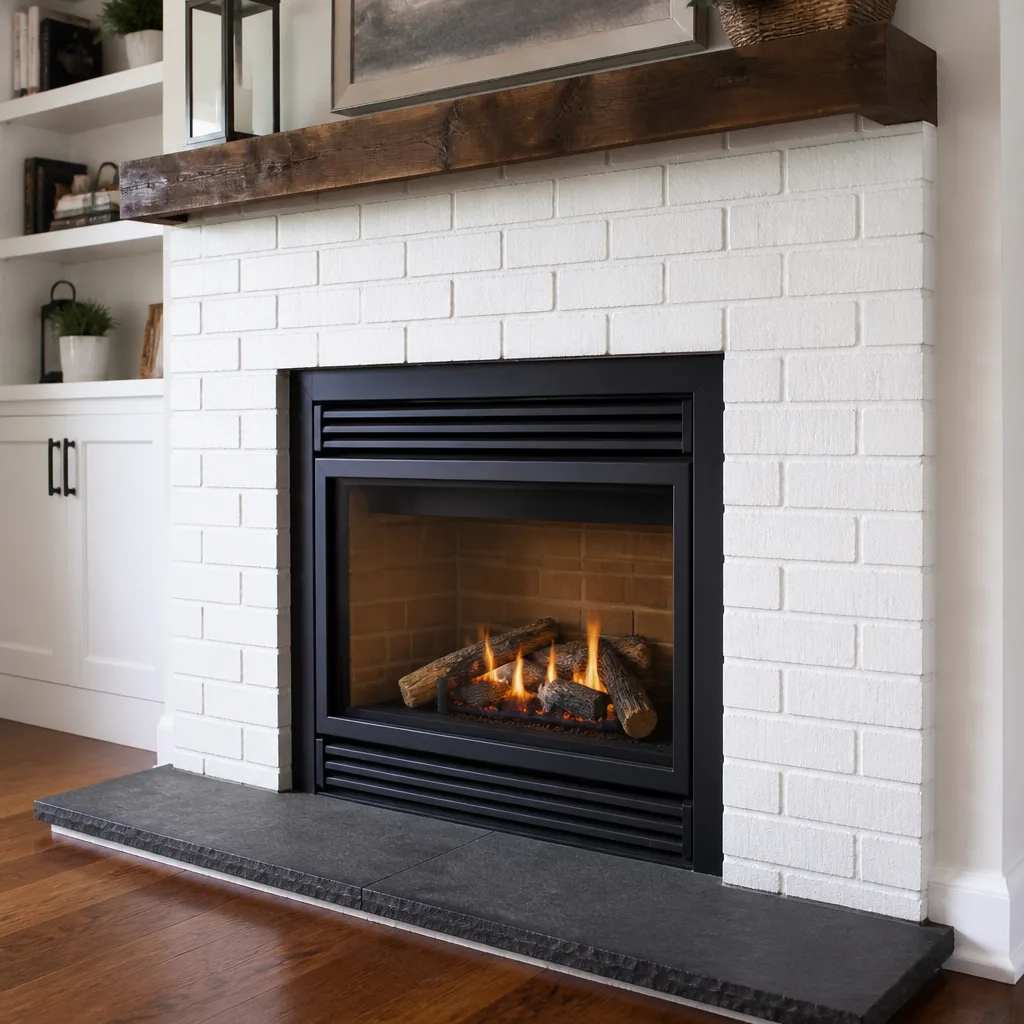 Gas fireplace service
Level 1 sweep and inspection to the NFPA 211 annual standard - flue, crown, cap, and flashing checked and photographed
Chimney sweep logs do not sweep chimneys. They loosen some creosote - which then falls where a brush and vacuum still have to collect it.
Choosing the Right Chimney Cleaning Brand: A Buyer’s Guide for Menifee
Here’s a fact most Menifee homeowners never hear: the chimney sweep industry has no federal licensing requirement in California, and no law stops a handyman from calling himself a chimney professional after watching a few YouTube videos. The California State License Board doesn’t issue a specific “chimney sweep” credential. That means the burden of vetting falls entirely on you. This guide gives you the framework to evaluate chimney contractors in Menifee the way an industry insider would, starting with the one thing almost every other guide ignores: the brand names behind the materials going into your flue.
Styles & brands we work with
- Sweep & inspection
- Caps & crowns
- Flue relining
- Masonry repair
- Gas fireplace service
Quick Answer
The right chimney cleaning and repair company in Menifee is one that can name the exact products they install and tell you why they chose them. If a contractor uses HeatShield for liner resurfacing, DuraFlex for stainless liners, and Gelco for caps, you’re dealing with a specification-grade operator who invested in materials with documented performance data. If they can’t name their products, they’re using generic materials with no warranty backing and no verified thermal cycling performance.
Table of Contents
- Why Brand Specification Matters in Chimney Repair
- HeatShield vs. Generic Refractory Cement: What’s Actually Different
- DuraFlex Stainless Liners vs. Generic Flex: Wall Thickness, Alloy, and Warranty
- How to Verify Authorized Installer Status (and Why It Protects Your Warranty)
- The Brands That Matter by Application
- What Brand Specification Reveals About a Contractor’s Business Model
- Menifee-Specific Factors: Climate, Creosote, and What You’ll See Here
- Common Mistakes to Avoid
- When to Call a Professional
- Frequently Asked Questions
- The Bottom Line
Why Brand Specification Matters in Chimney Repair
When a contractor quotes you “flue resurfacing,” ask them what product they’re using. If they say “a refractory compound” or “our professional-grade mix” without naming the brand, they’re almost certainly using hardware store cement that doesn’t meet ASTM E-136 standards for flue liner repair. That’s a two-minute conversation that separates specification-grade companies from everyone else in Menifee.
Here’s why this matters more in chimneys than in almost any other home system: the materials inside your flue endure conditions that most building products never face. A wood-burning fireplace produces flue gas temperatures that can exceed 1,100°F. Your liner expands and contracts with every fire cycle. Generic refractory cement, the stuff sold in buckets at big-box stores, isn’t formulated for sustained thermal cycling. It cracks, spalls, and separates from the underlying flue surface, sometimes within a single burning season.
Brand-specified materials exist because manufacturers invested in testing their products against real-world conditions. They publish technical sheets. They carry ASTM ratings. They back their products with warranty terms. When a contractor specifies a brand, they’re making a claim you can verify. When they won’t specify, they’re asking you to trust them with no documentation.
In our experience across Menifee, the homeowners who ask about materials are the ones who avoid repeat repairs. It’s not a personality thing. It’s a filtering mechanism. Contractors who can answer the material question confidently are the same ones who write detailed inspection reports, take camera footage, and stand behind their work.
Here’s a simple framework for evaluating any chimney repair proposal:
- Ask for the exact product name. Not “stainless liner.” Which stainless liner? What alloy? What wall thickness? Not “ceramic coating.” Which ceramic coating system?
- Look it up. A legitimate product has a manufacturer’s page, a technical data sheet, and installation requirements. If you can’t find it online, that’s your answer.
- Ask about the warranty. Who backs it? The contractor or the manufacturer? What does it cover, and for how long? Generic materials rarely have meaningful warranty backing.
- Ask who trained them to install it. Manufacturer-authorized installers receive product-specific training. Unauthorized installers are figuring it out on your chimney.
That’s the framework. The rest of this guide fills in the specifics.
HeatShield vs. Generic Refractory Cement: What’s Actually Different
HeatShield is a ceramic resurfacing system specifically engineered for chimney flue repair. It’s not a coating you trowel on and hope for the best. It’s a two-part application process: a joint repair compound first, then a full resurfacing layer that restores the flue interior to a smooth, continuous surface. The product carries ASTM E-136 certification, which means it meets the standard for non-combustible materials in chimney applications.
Generic refractory cement fails because it’s designed for a different job. Most hardware-store refractory products are formulated for firebox repair or small patch work. They’re not designed to bond to the full interior surface of a flue and stay bonded through years of thermal expansion and contraction. The difference shows up in how the material responds to heat cycling. HeatShield’s ceramic formula absorbs and releases heat at a rate matched to the underlying flue structure. Generic cement expands and contracts at a different rate than the masonry around it, which is exactly how cracks form and how hot flue gases escape into your chimney chase.
We see this pattern repeatedly in Menifee’s older homes. A flue gets patched with generic cement, looks fine for one season, then shows hairline cracks the next year. The homeowner pays for the patch and then pays again for the actual repair. HeatShield resurfacing is a middle option between cheap patching and full liner replacement. When the flue has minor cracking or joint deterioration but the structure is sound, HeatShield can restore it to service for a fraction of what a full stainless reline costs.
The mechanical difference matters. HeatShield is applied as a continuous monolithic layer, meaning there are no seams or joints where gas can leak. Generic patch jobs leave the original flue joints exposed, which is precisely where most flue problems originate. If your flue has clay tile liners, the joints between tiles are the weakest points in the system. HeatShield addresses the entire joint structure. A patch addresses one spot.
For a Menifee homeowner, this is the difference between repairing your chimney once and repairing it every few years. HeatShield isn’t the right answer for every chimney; severely damaged flues need a full Chimney Repair in Menifee with a stainless liner. But it’s a named, credible option that most sweep competitors don’t even offer because it requires manufacturer certification and specialized equipment.
DuraFlex Stainless Liners vs. Generic Flex: Wall Thickness, Alloy, and Warranty
DuraFlex is a flexible stainless steel liner system made from 316L alloy, which is the grade of stainless that holds up against the corrosive byproducts of wood combustion. The “L” stands for low carbon, a specification that prevents intergranular corrosion, the failure mode that causes welds and thin spots to rot from the inside out. DuraFlex liners are manufactured in multiple wall thicknesses, including a heavy-duty option for wood-burning applications where creosote accumulation is the primary threat.
Generic flex liners, the kind sold through discount suppliers, are typically made from lower-grade alloys. Some are 304 stainless, which is fine for dryer venting but degrades faster in wood-burning flue conditions. Others are aluminum, which the building code allows only for gas appliance venting and which fails rapidly in wood-burning service. We’ve pulled aluminum liners out of wood-burning chimneys in Menifee that looked like lace after two seasons.
The difference between DuraFlex and generic flex liners shows up in three measurable ways:
- Wall thickness. DuraFlex heavy-wall liner measures 0.015 inches in a seven-ply corrugated profile. Cheap flex liner can be as thin as 0.005 inches, which puncture-resistance testing shows is inadequate for sweeping with standard tools.
- Alloy specification. 316L alloy resists the sulfuric acid compounds that form when creosote absorbs moisture. 304 alloy doesn’t. Aluminum doesn’t even attempt to.
- Warranty terms. DuraFlex carries a lifetime limited warranty through authorized installers. Generic liners typically carry no manufacturer warranty at all, and the seller disappears the moment the card is charged.
Why does this matter for Menifee specifically? Because Menifee’s dry summer climate followed by cooler, damp winter months creates exactly the moisture cycling that accelerates corrosion in low-grade liners. Your chimney gets hot during the burning season, cools down at night, and condensation forms inside the flue. That condensation mixes with creosote and forms acidic compounds that eat through thin, low-alloy metal. A DuraFlex 316L liner is specified to handle this environment. A generic liner is specified to be cheap.
We specify DuraFlex because we’ve seen what happens on the other side of the cheap decision. A liner replacement is invasive, moderately expensive, and absolutely necessary when flue integrity fails. Doing it once with the right material is cheaper than doing it twice with the wrong one.
How to Verify Authorized Installer Status (and Why It Protects Your Warranty)
Most major chimney product manufacturers, including the brands referenced in this guide, maintain authorized installer networks. Authorization typically requires proof of insurance, completion of product-specific training, and a track record of installations that meet the manufacturer’s standards. When a contractor is an authorized installer, the manufacturer’s warranty applies. When they’re not, the warranty is void.
This is the most overlooked protection in chimney repair. Homeowners rarely think about product warranties until the product fails, and by then, the unauthorized installer is long gone. Here’s how to verify installer status in four steps:
- Ask directly. “Are you an authorized installer for DuraFlex? For HeatShield?” A legitimate contractor answers yes immediately. A non-authorized one hedges.
- Get it in writing. Ask for the installer authorization to be noted on the written estimate or contract. If the contractor hesitates, that’s information.
- Check the manufacturer’s website. Most chimney product brands publish contractor locators. If the contractor isn’t listed, call the manufacturer and ask.
- Ask who handles warranty claims. Authorized installers process claims through the manufacturer. Unauthorized installers can’t, which means your only recourse is their word.
Why do unauthorized installers exist? Because generic materials are easier to source and dramatically cheaper. A handyman can buy no-name flex liner from an online discounter for half what an authorized DuraFlex installer pays through legitimate distribution. That savings goes into his margin, not your chimney. The Chimney Sweep Menifee home approach is to stock name-brand components and absorb the higher material cost, because the alternative means installing products we can’t stand behind.
For Menifee homeowners, verifying installer status takes ten minutes and protects you from the most common warranty-related failure in this industry: a product that fails, a contractor who’s unreachable, and a manufacturer who correctly points out that their warranty never applied because the installer wasn’t authorized.
The Brands That Matter by Application
Different parts of your chimney system require different material specifications. No single brand covers every application, which is why a specification-grade contractor stocks multiple product lines for different jobs. Here’s the breakdown by application, using the brands that have verified performance data:
Liner Resurfacing: HeatShield
HeatShield is the industry’s most documented ceramic resurfacing system for flue restoration. It’s the right specification when your existing liner has cracked joints, minor spalling, or surface deterioration but hasn’t structurally failed. HeatShield restores a continuous, gas-tight surface without the invasive work of full liner removal. It’s the cost-credible middle option between patching and replacement.
Flexible Stainless Liners: DuraFlex
DuraFlex handles non-standard flue configurations that rigid liners cannot address, including offset flues, corbeled chimneys, and flues with dimensional irregularities. The seven-ply corrugated construction flexes through offsets while maintaining a gas-tight interior surface. For wood-burning applications, the heavy-wall formulation is the correct specification.
Chimney Caps: Gelco
Gelco manufactures stainless and copper chimney caps with mesh screening sized to exclude embers, birds, bats, and rodents while maintaining proper draft. A properly specified cap is the single best defense against water intrusion, which is the primary cause of masonry deterioration in Menifee’s winter rain season. Gelco caps use stainless mesh and are fabricated for specific flue dimensions, not the one-size-fits-most approach of box-store caps.
Masonry and Venting Components: Olympia Chimney
Olympia Chimney supplies the accessory components, including top plates, flashings, and connector pipes, that complete a professional installation. The brand matters here because accessory failure, a cracked top plate or a corroded connector, compromises the entire system regardless of how good the liner is.
What Brand Specification Reveals About a Contractor’s Business Model
Stocking name-brand components requires capital investment. A contractor who installs HeatShield has paid for certification, equipment, and product inventory. A contractor who installs DuraFlex has established a distribution relationship and maintains product stock or access to it. These investments signal a business built on repeatable, warrantied work, not one-off jobs using whatever’s cheapest at the supply house.
The low-bid chimney sweep in Menifee operates differently. His business model depends on minimizing material cost per job. He buys generic flex liner by the roll. He uses refractory cement from the hardware store. He installs caps that rust through in three years. Every dollar he saves on materials is a dollar of longevity he’s removing from your chimney.
This isn’t speculation about motives. It’s how economics works in a trade where the customer can’t see the product after installation. You can’t inspect the inside of your flue liner after the job’s done. You can’t watch the HeatShield cure. You can’t cut open the cap to check alloy grade. The contractor knows this. The question is whether he exploits it.
Specification-grade contractors make a different choice. They pay more for materials because the materials perform, because the warranties are real, and because the manufacturer stands behind the product. When we specify DuraFlex for a liner replacement, we’re not choosing the cheapest option. We’re choosing the option we’d put in our own house, because we know what the cheap option looks like when it comes back out.
For Menifee homeowners, brand specification is a filtering mechanism. It tells you, before the job starts, what kind of company you’re dealing with. It’s one of the few things you can verify in an industry where most of the work is invisible after completion.
Menifee-Specific Factors: Climate, Creosote, and What You’ll See Here
Menifee’s climate creates a specific set of chimney challenges. We’re in a Mediterranean climate zone with hot, dry summers and cool, wet winters. That temperature swing matters for your chimney. Thermal cycling, the repeated heating and cooling of flue materials, is more severe here than in coastal California. Your chimney can experience a 60-degree temperature swing between midday and early morning during winter months.
What we see in Menifee homes, season after season:
- Accelerated creosote buildup in wood-burning fireplaces. Cooler overnight temperatures mean longer, smokier fires, which produce more creosote at lower flue temperatures.
- Water intrusion through degraded caps and crowns. Menifee’s winter rain season exposes any flaw in chimney capping, and water is the primary cause of masonry spalling and liner joint deterioration.
- Dryer vent lint accumulation compounded by climate. Menifee’s dry air means lint doesn’t clump from humidity, but it also means it packs densely and combusts readily. A Dryer Vent Cleaning in Menifee is a fire-safety service, plain and simple.
- Flue joint failure in older masonry chimneys. Homes built in Menifee’s early development waves, particularly 1980s and 1990s construction, are reaching the age where clay tile liner joints begin to fail.
These patterns inform what a proper Chimney Sweep in Menifee looks for during an inspection. A generic sweep sees creosote and recommends a cleaning. A specification-grade sweep sees the full picture: creosote levels, liner joint condition, cap integrity, crown cracking, and the interaction between all four.
Menifee’s residential mix also matters. The city’s housing stock ranges from newer tract homes in the northern developments to established neighborhoods with original masonry chimneys. Each requires different material specifications. Newer factory-built fireplaces use proprietary venting that requires manufacturer-matched components. Older masonry chimneys need the full material evaluation described throughout this guide.
Common Mistakes to Avoid
- Hiring based on price alone. The low-bid chimney sweep in Menifee is charging less because he’s using cheaper materials. You’ll pay the difference in lifespan.
- Approving a liner patch without asking what product is being used. “Refractory compound” is not a brand name. If the contractor can’t name the product, don’t approve the work.
- Skipping the pre-installation camera inspection. You should see the condition of your flue with your own eyes before agreeing to any repair. A contractor who won’t show you camera footage is hiding something.
- Assuming a chimney sweep is licensed by the state. California has no chimney sweep license. Vetting is entirely on you, which is why brand specification and authorized-installer status matter so much.
- Accepting a verbal quote for major repair work. Get it in writing, with product names, quantities, and warranty terms. Verbal agreements disappear.
- Ignoring the dryer vent because “it’s just lint.” Dryer vents cause roughly 15,000 structure fires annually in the U.S. Lint is fuel. Clean it like your house depends on it, because it does.
- Waiting until you smell smoke inside the house to call. By the time smoke backdrafts into your living room, your flue has a significant problem. Annual inspection catches these issues before they become hazards.
When to Call a Professional
Some chimney work is genuinely dangerous to attempt yourself. High-tension components, working at height, and flue inspection all require training and equipment that most Menifee homeowners don’t have. If you see visible cracks in your chimney crown, notice water staining on the ceiling near your fireplace, smell smoke when the fire isn’t lit, or haven’t had your chimney inspected in more than two years, call a professional. Gas appliances bring carbon monoxide risk into play, and a blocked or cracked flue turns a cozy fireplace into a health hazard. We’ve handled flues in Menifee that looked fine from the outside and were dangerously compromised inside. You can’t see what’s happening inside your flue without camera equipment. Chimney Sweep Menifee offers free estimates in Menifee; call (866) 538-1538 to schedule an inspection.
Frequently Asked Questions
A standard chimney sweep in Menifee typically runs between $150 and $300 for a straightforward wood-burning fireplace, with costs rising if the flue has heavy creosote buildup, if you have a multi-story roof, or if the sweep finds issues requiring repair. Call (866) 538-1538 for an exact quote; estimates are free.
Many flues with cracked joints or minor spalling can be restored with HeatShield resurfacing, which avoids the invasive work and higher cost of full liner replacement. The deciding factor is structural integrity; a camera inspection tells us which option applies to your chimney specifically. Call (866) 538-1538 to schedule an inspection.
The National Fire Protection Association recommends annual inspection and cleaning as needed, and Menifee’s climate argues for the same schedule, particularly if you burn wood regularly. We recommend at least once per burning season, before you light the first fire. Call (866) 538-1538 to schedule.
Creosote accumulates, and creosote is fuel. A chimney fire burns at temperatures that crack flue liners, warp metal components, and can spread to the structure of your house. Even without a chimney fire, a blocked flue can push carbon monoxide into your living space. Call (866) 538-1538 for an assessment before you use your fireplace.
Yes. We’ve structured our service specifically so the Chimney Sweep in Menifee visit and the Dryer Vent Cleaning in Menifee visit can happen in one consolidated call. Both are combustion-exhaust safety services, and treating them together means you resolve every fire hazard from combustion appliances in a single appointment. Call (866) 538-1538 to book both.
Ask for the exact product name. A specification-grade contractor says “HeatShield ceramic resurfacing” or “DuraFlex 316L heavy-wall liner” without hesitation. A generic contractor hedges. Then verify authorized-installer status through the manufacturer. If both checks pass, you’re dealing with a professional. Call (866) 538-1538 if you want a second opinion on materials quoted to you.
The Bottom Line
Choosing the right chimney company in Menifee comes down to one question: can they name their materials? Specification-grade contractors install HeatShield for liner resurfacing, DuraFlex for stainless liners, and Gelco for caps, and they’re authorized installers who can back their work with manufacturer warranties. Generic contractors install whatever’s cheapest and hope you never look behind the firebox. The brands matter because the conditions inside your flue are brutal, and generic materials fail in predictable ways that Menifee’s climate accelerates. Ask the material question. Verify the answer. Your chimney, your house, and your family deserve that much.
Written by the team at Chimney Sweep Menifee, serving Menifee since 2011.
See the difference
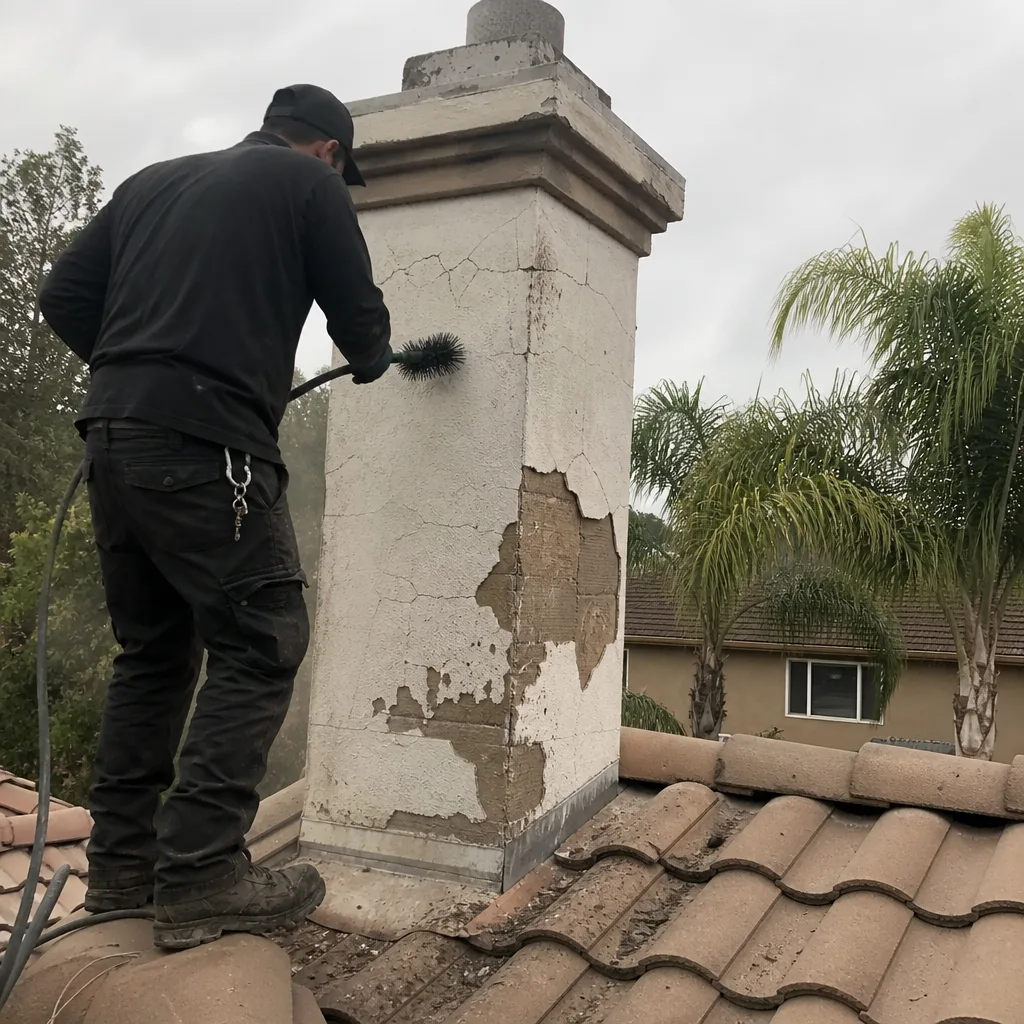 Before
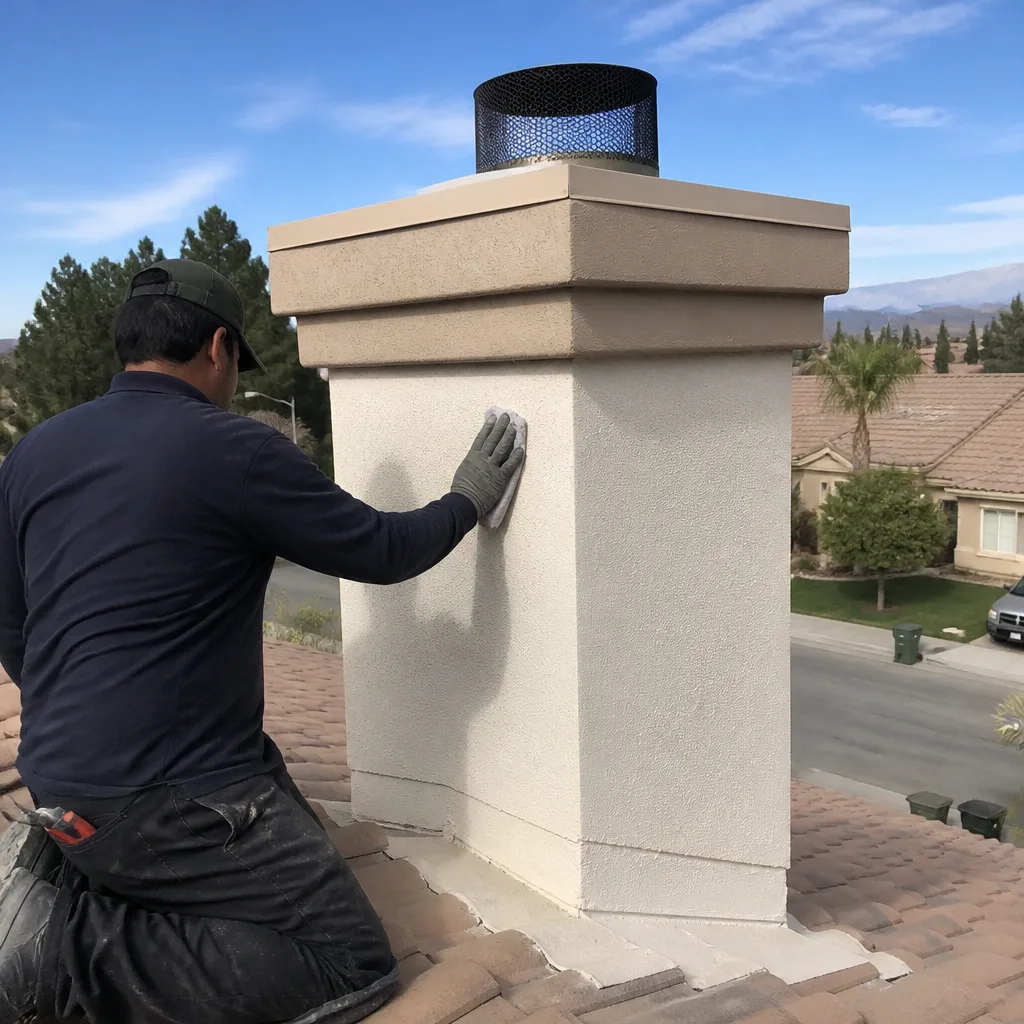 After
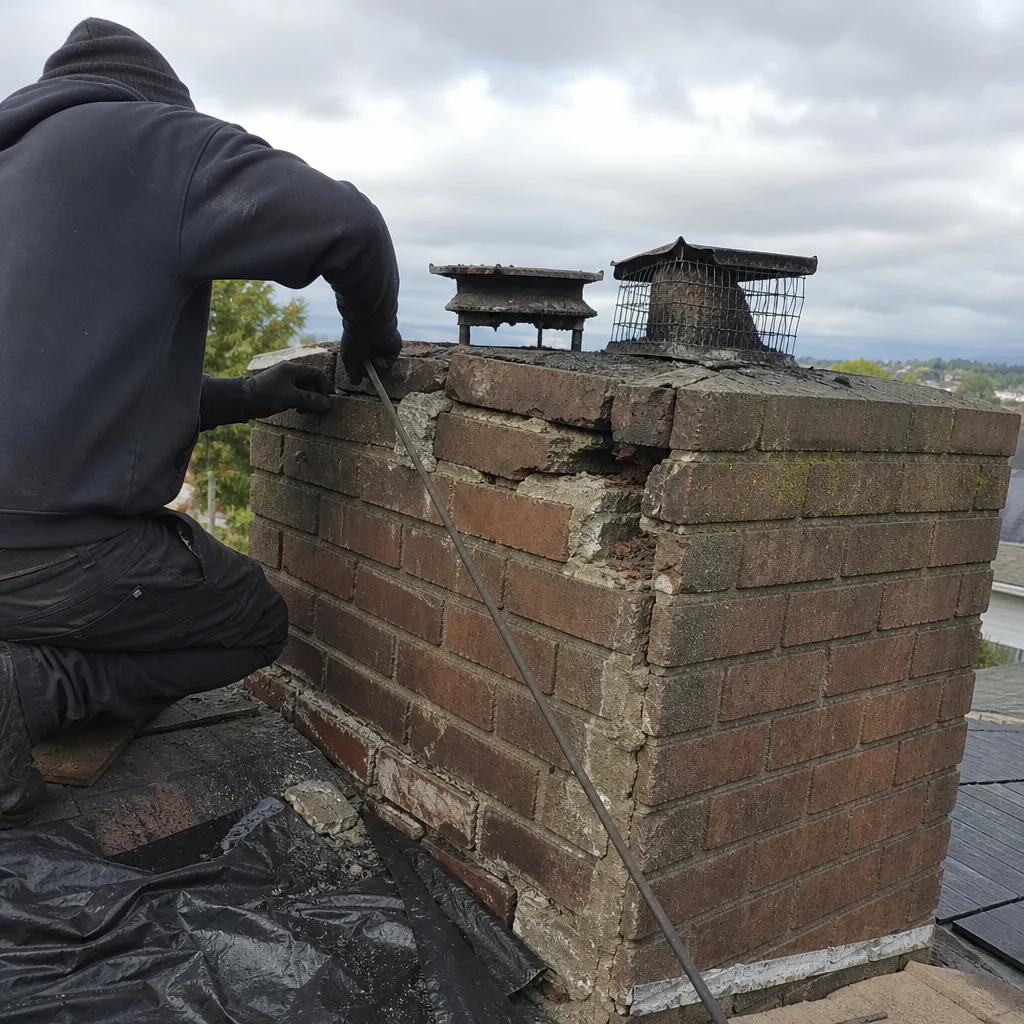 Before
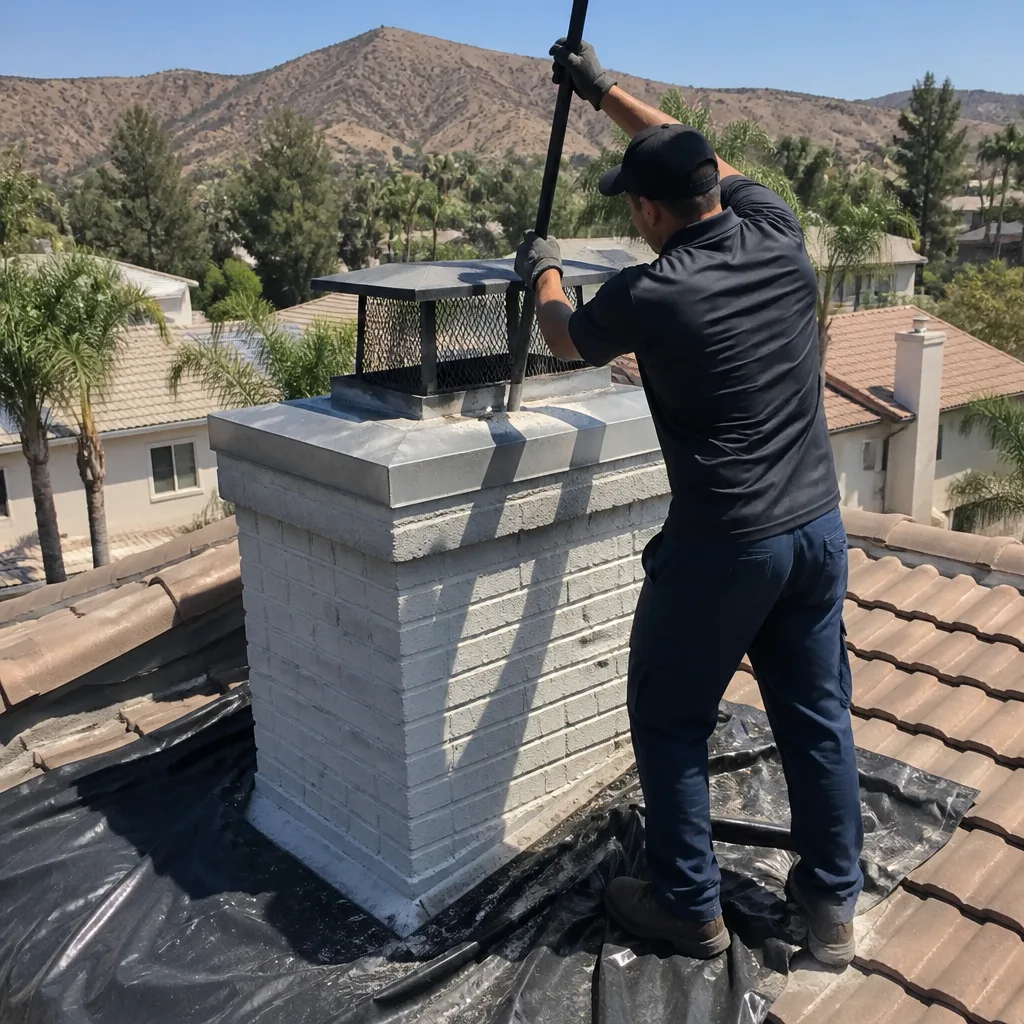 After
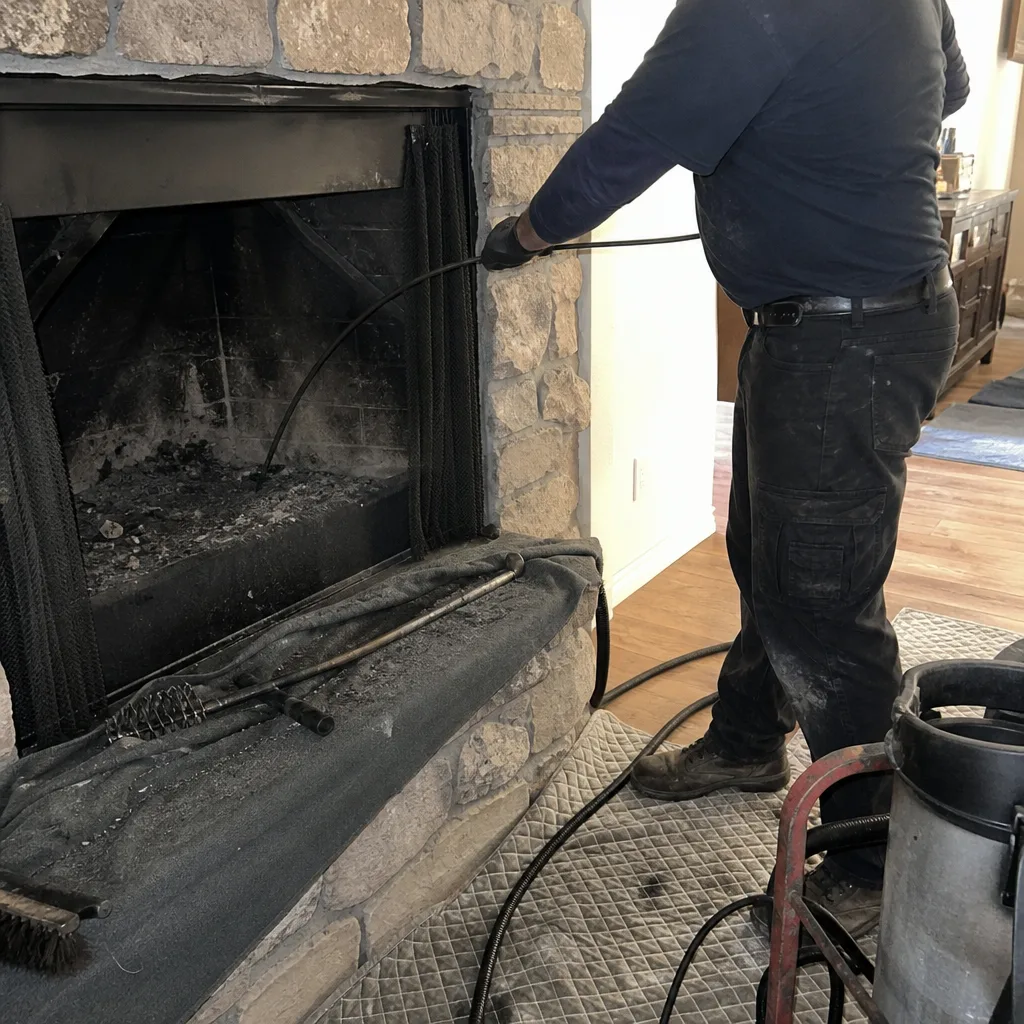 Before
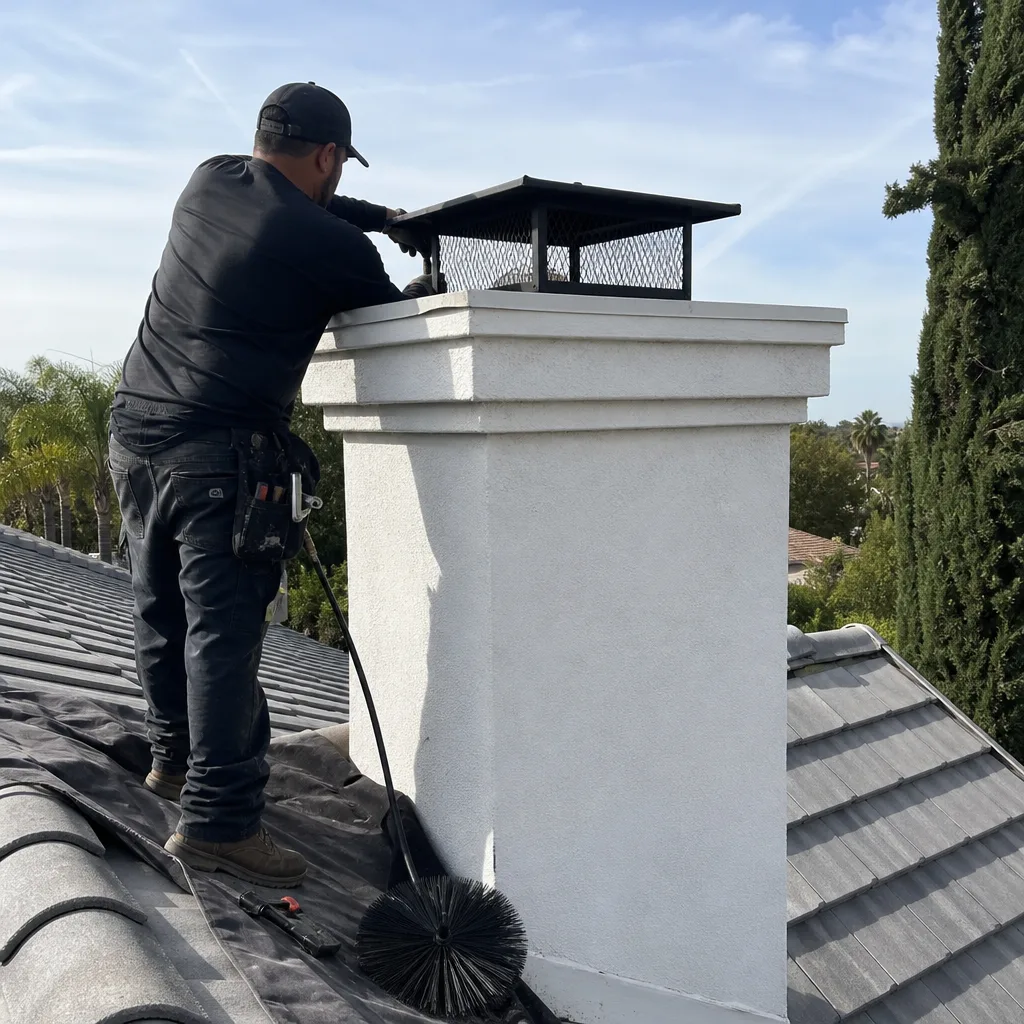 After