
Last updated November 3, 2026
 Sweep & inspection
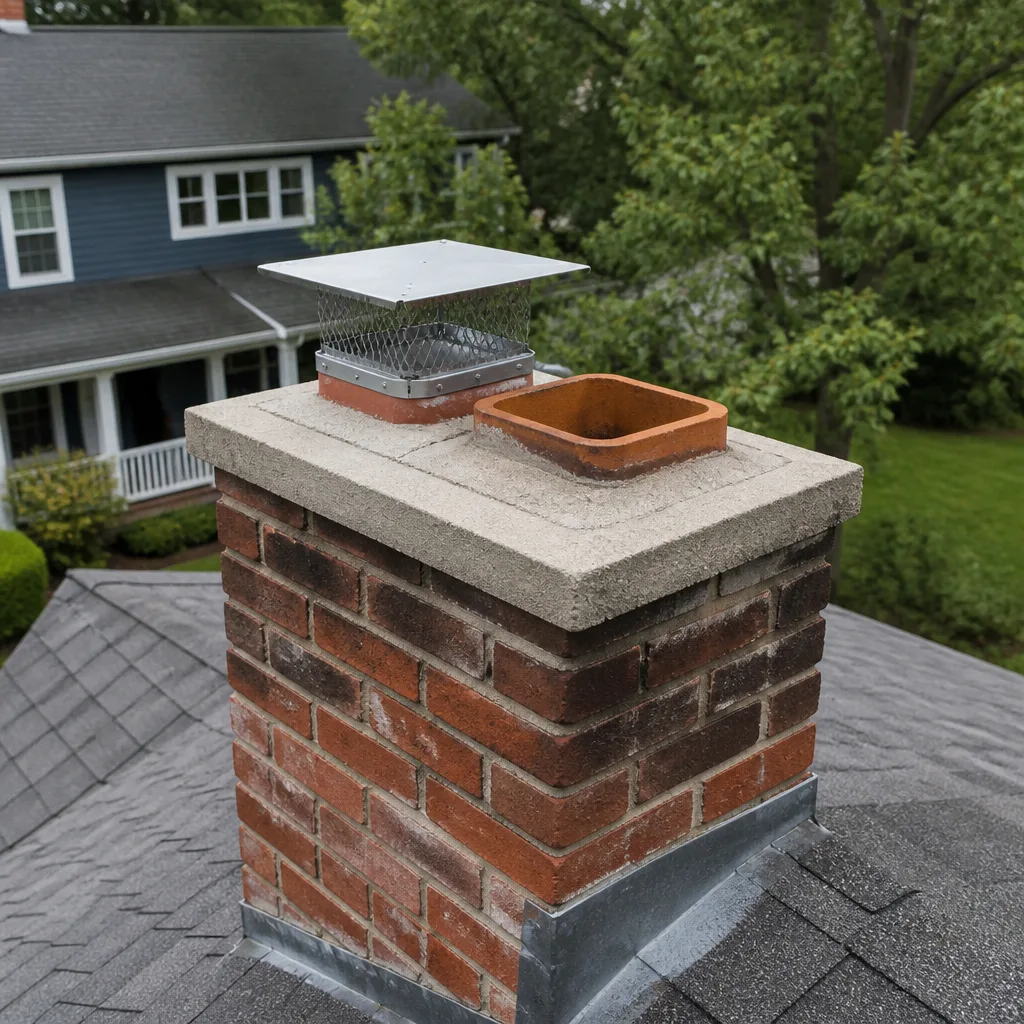
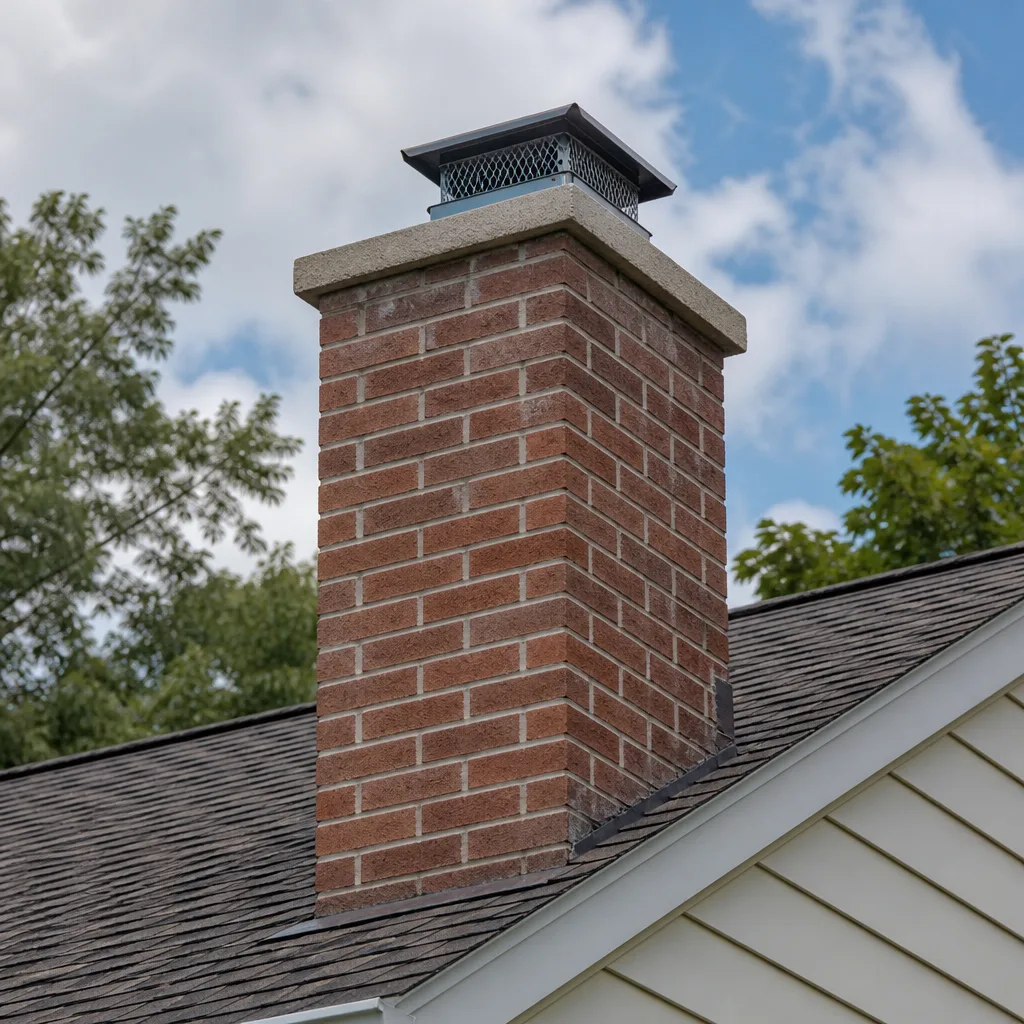
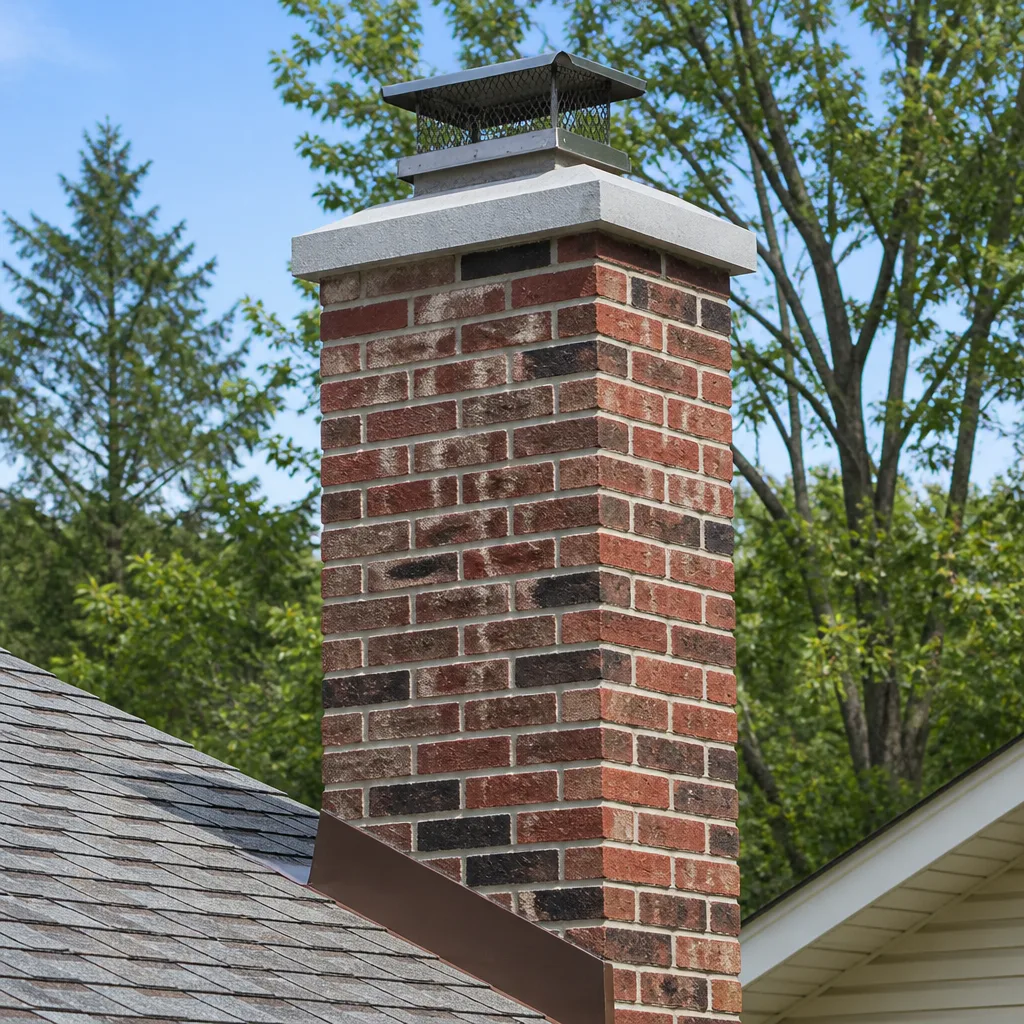 Caps & crowns
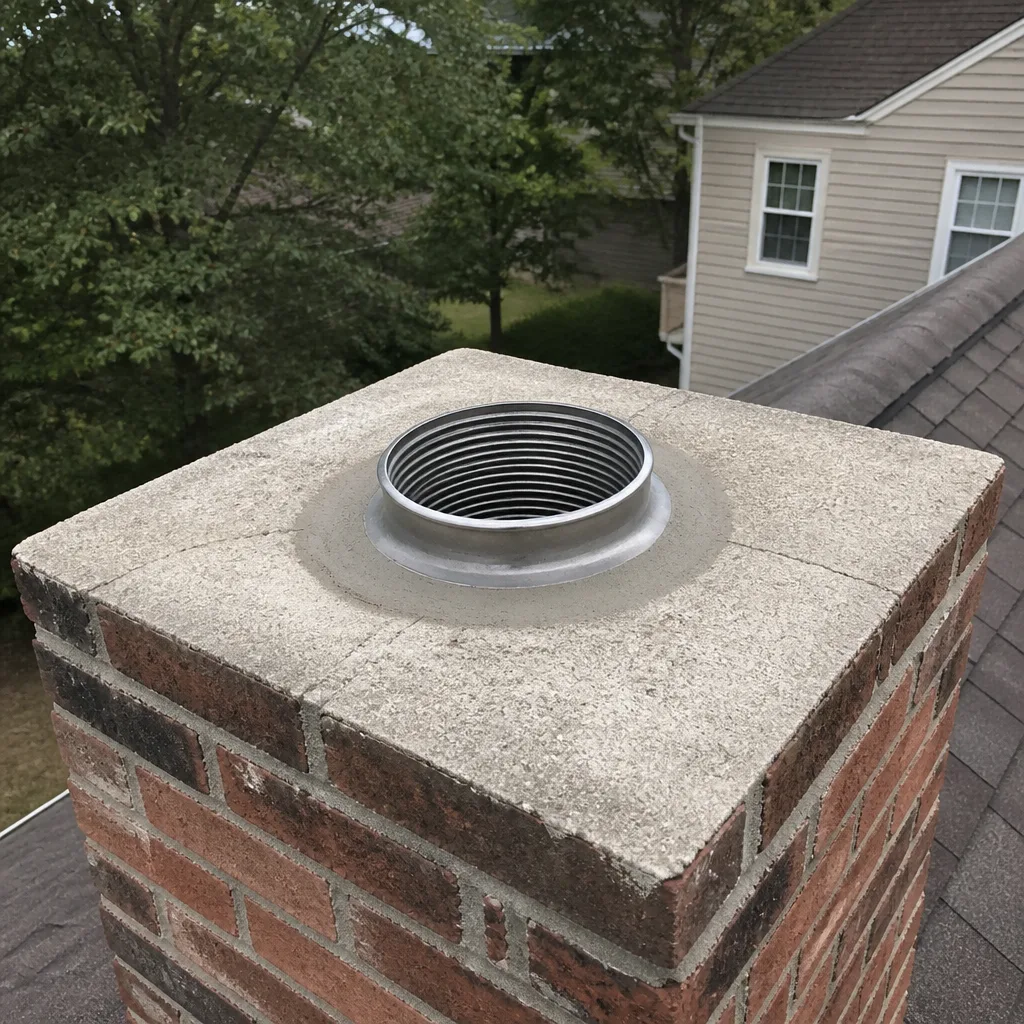 Flue relining
 Masonry repair
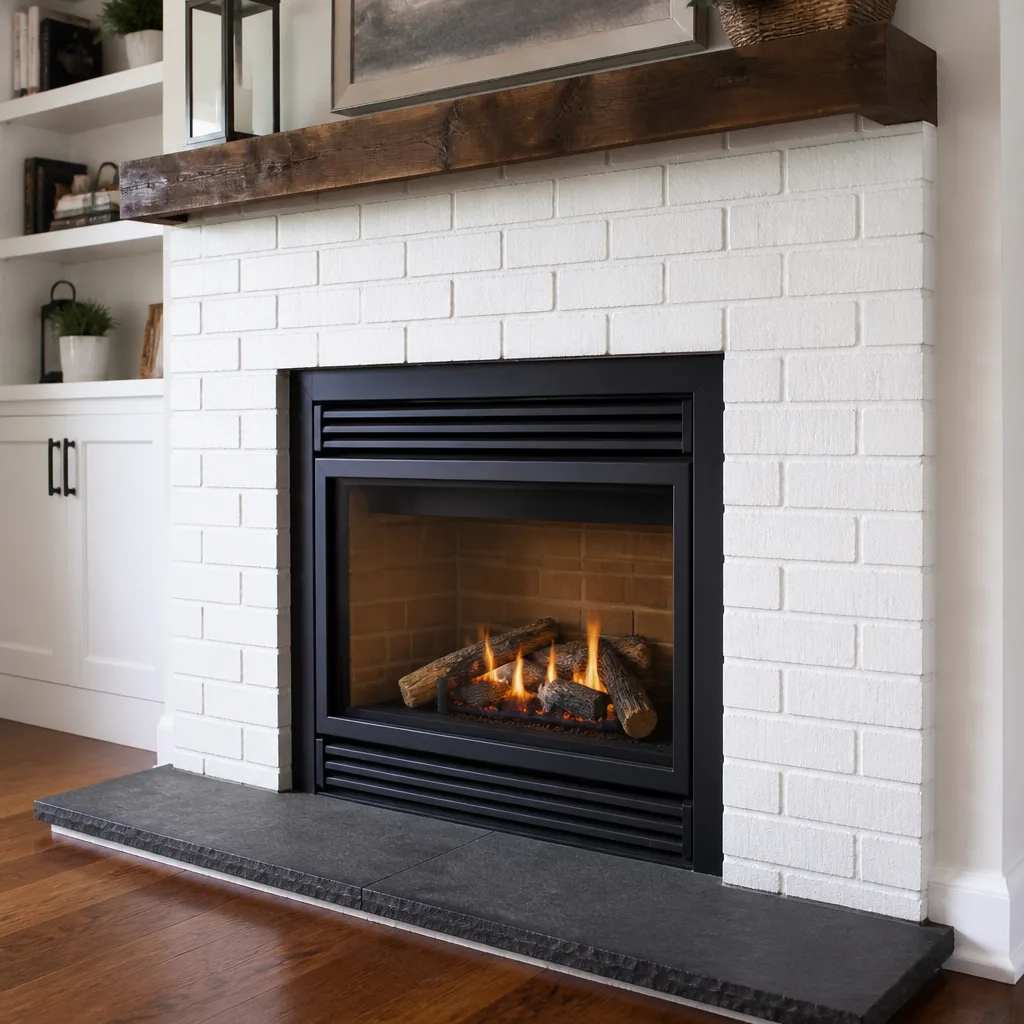 Gas fireplace service
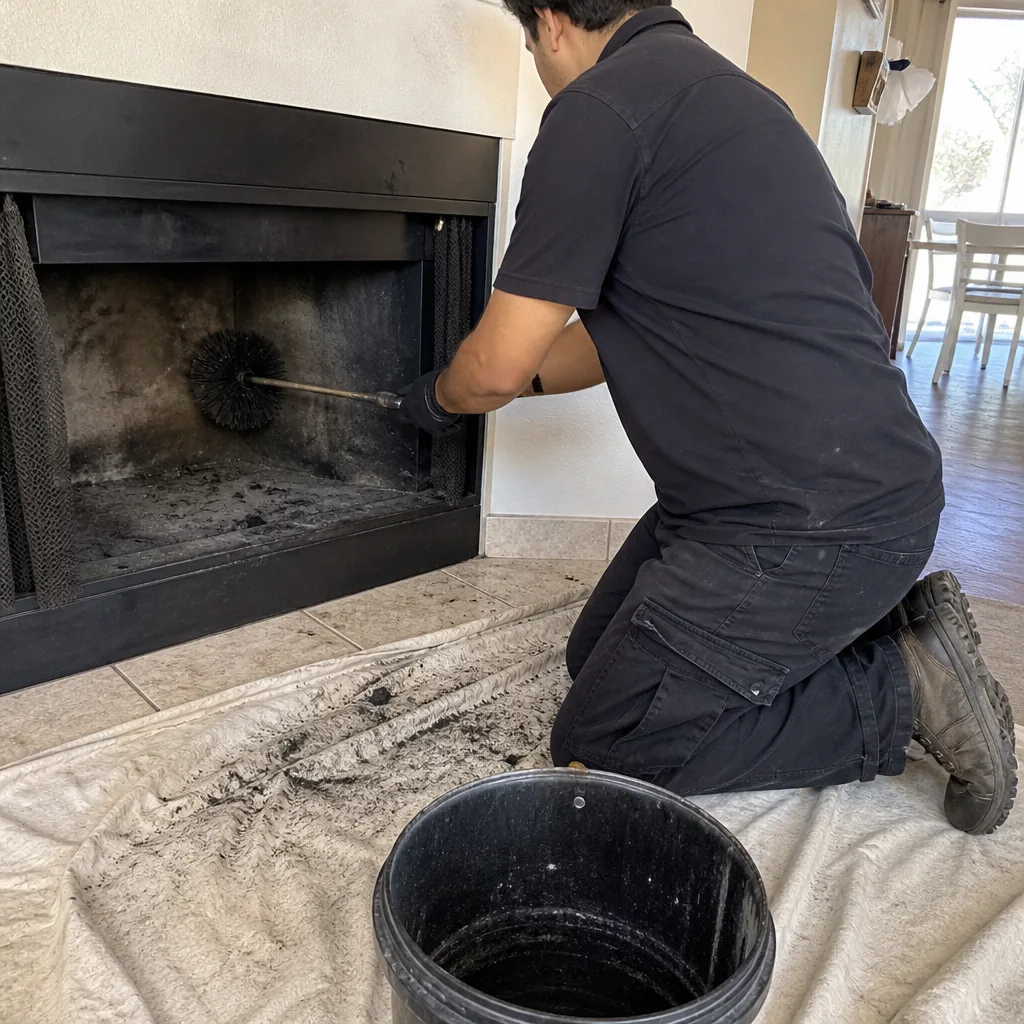
Level 1 sweep and inspection to the NFPA 211 annual standard - flue, crown, cap, and flashing checked and photographed
Chimney sweep logs do not sweep chimneys. They loosen some creosote - which then falls where a brush and vacuum still have to collect it.
The Complete Chimney Sweep Guide for Menifee Homeowners
Menifee averages fewer than 10 rain days a year, which sounds like good news for chimneys, until you realize that arid climates accelerate mortar shrinkage and mask creosote buildup that wet climates literally wash out of the flue. In this guide, we’ll walk through exactly what Menifee’s inland weather does to your chimney, which seasons trigger which maintenance tasks, and how to read the warning signs before a small problem becomes a liner replacement. For more guides & resources, explore our blog after reading this guide we wish every Menifee homeowner had before their first chimney inspection.
Quick Answer
A chimney sweep in Menifee CA typically costs between $149 and $269 for a standard Level 1 inspection and cleaning, and homes that burn wood regularly should be swept every 30 to 40 fires or once per year, whichever comes first. Menifee’s dry heat and Santa Ana winds create specific failure patterns most national guides miss, which is why this guide maps maintenance to our actual climate rather than generic seasonal advice.
Table of Contents
- How Menifee’s Climate Works Against Your Chimney
- How Often Should You Sweep? Fuel Type Decides
- Level 1 vs. Level 2 Inspections: Which Menifee Scenarios Require the Upgrade
- Santa Ana Winds, Negative Draft, and Combustion Gas Backflow
- What HeatShield and DuraFlex Actually Do That Patch Kits Can’t
- What Happens During a Professional Sweep: Step by Step
- What You Can Safely Check Yourself (and What You Shouldn’t Touch)
- Common Mistakes to Avoid
- When to Call a Professional
- Frequently Asked Questions
- The Bottom Line
How Menifee’s Climate Works Against Your Chimney
Menifee sits in a valley that regularly hits 105°F to 110°F in July and August, then drops into the low 30s on clear winter nights. That 70-degree daily swing is harder on masonry than most people realize. Clay flue tiles and brick expand when heated and contract when cooled. Over a decade, that cycle works mortar joints loose the same way it cracks asphalt on Menifee streets.
We’ve pulled enough damaged flue tiles out of Menifee chimneys to recognize the pattern. The expansion cycles do two things. First, they create hairline fractures in the mortar between flue sections. Second, they separate the flue from the surrounding chimney structure, which allows combustion gases to seep into wall cavities rather than venting out the top. This isn’t a dramatic failure. It’s slow, invisible, and exactly what a camera inspection catches.
Low rainfall compounds the problem. In wetter climates, rain washes a percentage of creosote residue down the flue each winter. Menifee gets perhaps 12 inches of rain in a good year. What accumulates on your flue walls stays there season after season, hardening into a glaze that’s significantly more difficult to remove than the flaky stage-one creosote found in damper climates. If you burn wood even occasionally in Menifee, assume your creosote is denser than the national average.
Freeze cycles, though rare, do occur. When a Menifee night drops below freezing after a day warm enough to open pores in the masonry, trapped moisture expands. That’s how small cracks become spalling brick faces. Most of what we see in Menifee chimney repairs traces back to this combination: extreme heat expansion, negligible rain washing, and occasional freeze stress.
Key Takeaways: Menifee Climate Factors
- 110°F summer days expand clay flue tiles and stress mortar joints beyond what manufacturers rate for temperate climates.
- Fewer than 10 rain days annually means creosote never gets naturally flushed, making annual inspection more important here than in coastal cities.
- Occasional winter freezes exploit moisture already sitting in cracked mortar, worsening existing damage.
- Santa Ana wind events (covered below) create draft reversals that push combustion gases into living spaces.
How Often Should You Sweep? Fuel Type Decides
The frequency question has no single answer, because different fuels leave different residues. Menifee homes burn three primary fuels, and each produces a distinct maintenance schedule.
Gas Log Sets
Gas log sets are the lowest-maintenance option, but not zero-maintenance. Natural gas burns cleanly, yet it produces water vapor. In a sealed fireplace with a closed damper, that moisture condenses on flue walls and gradually breaks down the interior surface. Gas logs also accumulate soot around vents and pilot assemblies that reduces combustion efficiency over time. We recommend a Level 1 inspection every other year for gas log sets in Menifee, with a light cleaning as needed. The bigger concern with gas appliances is proper venting, which is why many homeowners switch to a Chimney Sweep in Menifee service rather than trying to inspect the vent connection themselves.
Seasoned Oak and Hardwoods
Seasoned oak burns hot and relatively clean, but it still produces creosote. The rule we use in Menifee is 30 to 40 fires per sweep, or once per year, whichever comes first, as detailed in The Complete Guide to Chimney Cleaning in Menifee. A family that burns a fire three nights a week from November through February hits 40 fires by late January. If you’re that household, scheduling a sweep in early March, before summer heat sets the creosote into its hardened glaze phase, is the practical play.
Manufactured Logs
Manufactured logs are convenient, but they contain wax binders and compressed sawdust that burn at lower temperatures than seasoned wood. That lower heat produces more particulate and a sticky creosote residue that clings aggressively to flue walls. We’ve seen manufactured-log users in Menifee develop stage-two creosote in half the time of hardwood burners. If manufactured logs are your primary fuel, sweep every 20 to 25 fires, and never burn more than one at a time.
Fuel Type Sweep Frequency Table
- Gas log set: Inspect every 2 years; sweep as indicated by inspection.
- Seasoned hardwood: Sweep every 30-40 fires or 12 months, whichever comes first.
- Manufactured logs: Sweep every 20-25 fires or 12 months, whichever comes first.
- No use at all: Still inspect every 2-3 years. Unused chimneys attract bird nests and structural deterioration that sit unnoticed.
One more Menifee-specific note: our dry summer air means any creosote left in the flue bakes into a harder, glassier form that resists standard brush removal. If you skip a winter’s sweep, don’t just schedule one the next fall and expect a routine result. A glaze-stage creosote removal may require rotary cleaning tools or a chemical treatment first. This is part of full-scope chimney care we handle under one Chimney Sweep in Menifee service relationship, not something to hand off to a handyman with a basic brush set.
Level 1 vs. Level 2 Inspections: Which Menifee Scenarios Require the Upgrade
A Level 1 inspection covers what’s visible without special equipment: the accessible portions of the chimney interior, the exterior structure, and the basic function of the flue. It includes a standard sweep if needed. A Level 2 inspection adds a closed-circuit camera that runs the full length of the flue, capturing what the naked eye cannot see: hidden cracks, separated joints, and gaps behind walls.
The National Fire Protection Association (NFPA 211) specifies when a Level 2 inspection is required. These scenarios apply directly to Menifee homeowners:
- New home purchase. Menifee’s housing stock grew rapidly in the 2000s and 2010s, and many chimneys have never had a camera inspection. Before you close on a home with a fireplace, pay for a Level 2. It’s cheaper than discovering a fractured flue after your first fire.
- After a chimney fire. A chimney fire can reach 2,000°F inside the flue. Even a small one can crack flue tiles or warp metal liners. A Level 1 sweep after a chimney fire is not enough; the camera needs to verify structural integrity.
- After an earthquake. Menifee sits roughly 30 miles from the San Jacinto Fault Zone. A moderate shaker can shift chimney masonry enough to create gaps you’ll never see from the ground. If your home experienced noticeable shaking, a Level 2 inspection confirms the flue is still continuous.
- After a weather event. Santa Ana windstorms can lift chimney caps or dislodge masonry. If you notice debris on the roof after a wind event, have the flue checked before burning.
- When you switch fuel types. Converting from wood to gas, or vice versa, changes venting requirements and residue profiles. A Level 2 inspection confirms the existing flue is compatible with the new fuel.
For routine annual maintenance on a chimney that’s been inspected before and used normally, a Level 1 is usually sufficient. The exception: if you notice any of the warning signs covered in the Common Mistakes section, upgrade to a Level 2 even if it’s not on the NFPA list. The camera adds roughly $100 to $150 to the visit and gives us a full flue record we can reference in future years.
Santa Ana Winds, Negative Draft, and Combustion Gas Backflow
Santa Ana winds in Menifee routinely gust between 40 and 60 mph, and those winds do something specific to chimneys: they create negative pressure at the flue termination. When wind moves horizontally across the top of a chimney, it can lower the air pressure just above the flue exit. If that pressure drops below the pressure inside your home, the chimney stops drafting upward. In severe cases, the draft reverses entirely.
What that means for you is uncomfortable but important to understand. A reversed draft pulls carbon monoxide and smoke back down the flue into your living room. This is not a rare event during strong Santa Ana conditions. It happens most often in two specific Menifee situations: single-story homes with short chimneys, and homes where the chimney sits on the leeward side of the roofline, where the wind creates turbulence rather than a clean horizontal flow.
After a strong Santa Ana event, here’s what we check during a sweep:
- Chimney cap integrity. A cap bent or shifted by wind changes the airflow pattern at the flue top, which can worsen draft problems permanently.
- Flue obstruction. Santa Ana winds carry debris: leaves, palm fronds, and in some parts of Menifee, tumbleweeds. These can partially block the flue and worsen draft issues.
- Damper function. A damper that no longer seals tightly lets wind-driven air pour down the flue even when the fireplace isn’t in use.
- Vent connection for gas appliances. If your gas fireplace or water heater vents through a shared flue, wind-driven downdrafts can extinguish pilot lights or force exhaust into the home.
If you’ve smelled smoke inside during high winds, don’t wait for your next scheduled sweep. The fix might be as simple as a properly spec’d chimney cap (we use Gelco caps specifically because they’re designed to maintain stable airflow in high-wind exposure), or it might require a flue extension to raise the termination above the wind turbulence zone. Either way, the diagnosis starts with understanding how Menifee’s wind patterns interact with your specific roofline.
This is also where dryer vent safety intersects with chimney care. Santa Ana winds push the same reverse-pressure effect into dryer vents, and a clogged dryer vent under wind load is a known fire risk. As a full-scope service, Dryer Vent Cleaning in Menifee is part of the same combustion-exhaust safety umbrella we apply to chimneys.
What HeatShield and DuraFlex Actually Do That Patch Kits Can’t
Hardware-store patch compounds have a place: sealing hairline cracks in exterior concrete or filling small gaps in non-combustion areas. They do not belong inside a flue. Here’s why the material stack matters, with actual specifications rather than marketing language.
HeatShield Resurfacing
HeatShield is a Cerfractory material, which means it’s a ceramic refractory blend engineered specifically for flue interior resurfacing. Unlike a generic mortar patch, HeatShield bonds to the existing flue walls and restores a continuous, smooth interior surface rated for direct flame contact and temperatures beyond 2,000°F. We use HeatShield for flues that have minor cracking, deteriorated mortar joints, or gaps in clay tiles, but whose structural integrity is still sound. It’s the difference between a $500 resurfacing and a $3,000 to $6,000 full liner replacement. Menifee’s expansion-and-contraction cycles make this particularly relevant: HeatShield’s ceramic formulation moves with the flue’s thermal cycles rather than cracking away from it the way a rigid patch compound does.
DuraFlex Flexible Liners
When a flue is too damaged for resurfacing, or when a homeowner converts a wood-burning fireplace to a gas insert, a rigid stainless steel liner isn’t always physically possible to install. DuraFlex is a flexible stainless steel liner system that can navigate offsets and bends in existing masonry flues without cutting into walls. We specify DuraFlex because it comes in proper wall thicknesses for different fuel types, and because it’s a known quantity in the industry. Hardware-store flexible duct is not a liner. It’s not rated for flue temperatures, and installing it in a chimney is a fire hazard. When a Menifee homeowner asks why they should pay for DuraFlex instead of something cheaper, the answer is simple: it’s the same reason you don’t wire your house with speaker cable. The component has to match the load.
Gelco Caps and Olympia Chimney Components
Chimney caps do more than keep rain out. In Menifee’s wind conditions, the cap maintains the correct airflow at the flue top and prevents both downdrafts and spark escape. Gelco caps are built from heavier-gauge metal than the standard caps sold at big-box stores, which bend in our windstorms. Olympia Chimney supplies the flue tiles, dampers, and masonry components we use in repair work. These are the same parts a professional chimney contractor recognizes on sight, which matters if you ever sell your home or have a second opinion on the work.
When we complete a Chimney Repair in Menifee, the homeowner gets a written summary of exactly what went in: which liner system, which cap, which masonry product. No mystery parts. That transparency is part of what separates a specification-grade sweep from a handyman with a brush.
What Happens During a Professional Sweep: Step by Step
If you’ve never scheduled a chimney sweep, here’s what to expect when we arrive at a Menifee home. The process typically takes 60 to 90 minutes for a standard Level 1 visit.
- Site protection. We lay drop cloths from the entry to the fireplace and seal the firebox opening with a barrier to contain dust. The sweep should not leave a film of soot on your furniture.
- Visual inspection of the firebox and damper. We check the damper’s travel, rust condition, and seal. A damper that doesn’t seal wastes air conditioning all summer and lets wind blow through in winter.
- Roof access and cap inspection. We inspect the chimney crown, cap, flashing, and exposed masonry. Menifee’s dry heat accelerates crown cracking, and the crown is the first line of defense against water intrusion.
- Flue brushing. Using a properly sized brush for your flue dimensions, we remove creosote and soot from the full length of the flue. For glaze-stage creosote, we may use rotary tools or chemical treatments first.
- Smoke test or draft verification. We confirm the flue drafts correctly before we pack up. In Menifee’s wind conditions, draft verification is not optional.
- Report and recommendations. You get a written summary of what we found, what we removed, and any repair recommendations with our material specs. No pressure, no scare tactics. You’ll know exactly what can wait and what can’t.
If the sweep is part of a Level 2 inspection, the camera run happens after brushing, so we’re looking at the flue surface, not the creosote layer. This is a common misunderstanding: cameras pushed through an un-swept flue show you creosote, not structure.
What You Can Safely Check Yourself (and What You Shouldn’t Touch)
There’s a big difference between being an informed homeowner and doing dangerous work. This section covers both sides.
Safe Checks You Can Do
- Visual exterior inspection from the ground. Look for missing mortar joints, cracks in the exposed chimney face, a leaning chimney, or a cap that’s missing or tilting. Do this after every Santa Ana event.
- Damper movement. Open and close the damper. If it sticks, squeals, or doesn’t seal, note it for your next inspection. Don’t force it harder than it wants to go.
- Firebox inspection. With a flashlight, look for cracks in the firebrick, gaps in the mortar, or white staining on the brick faces. White staining means moisture is migrating through the masonry.
- Smoke behavior during a burn. When you have a fire going, watch which way the smoke goes. If it hesitates, pools, or enters the room, stop using the fireplace until it’s inspected.
- Dryer vent exterior check. Once a month, check that the exterior dryer vent flap opens when the dryer runs and that you see visible lint buildup at the opening. This is a simple step that catches vent blockages before they become fires.
Leave These to a Professional
Flue interior access requires removing chimney caps or dampers, working from roof heights, and using specialized equipment. More importantly, chimney fires don’t announce themselves, and a flue that looks fine from the top can be structurally failed behind visible surfaces. If you suspect creosote buildup, draft problems, or structural damage, schedule a professional inspection rather than attempting to diagnose it yourself. The safety margin on combustion-exhaust systems is not the place to save money.
Common Mistakes to Avoid
- Skipping sweeps because you “only burn occasionally.” In Menifee’s dry climate, even a few fires per year leave residue that bakes into glaze-stage creosote. Occasional burning still requires annual inspection.
- Burning manufactured logs in a wood-burning fireplace without checking manufacturer guidance. Some manufactured logs burn hotter than seasoned wood, and using them in a damaged flue accelerates failure. If you’re not sure, ask before burning.
- Using hardware-store patch compound inside the flue. Flue liners need refractory materials rated for repeated thermal cycling. A $12 mortar patch will crack and flake away within a season, and the crumbs become flue obstructions.
- Leaving the damper open all summer. An open damper lets air-conditioned air escape up the flue and lets dry Menifee heat bake the interior year-round. Close it when not in use. It also invites birds and insects.
- Ignoring draft reversals during Santa Ana conditions. If you smell smoke inside during high winds, that’s a draft failure, not a normal fireplace quirk. The fix is usually a cap or flue adjustment, and it’s cheaper than carbon monoxide exposure.
- Assuming a new home’s chimney is fine. Many Menifee homes built during the housing boom years have chimneys that have never been camera-inspected. A Level 2 inspection before your first fire is the only way to know what you’re burning into.
- Treating dryer vent cleaning as optional. Lint fires are not a fireplace problem. They’re a combustion-exhaust problem, and the same discipline that protects your chimney should protect your dryer vent.
When to Call a Professional
Call a chimney professional when you see or smell any of these: smoke entering the room during a fire, a persistent campfire smell when the fireplace isn’t in use, white staining on the chimney exterior, falling mortar chips in the firebox, or a damper that won’t seal. Call after a chimney fire, even a small one. Call after an earthquake strong enough to rattle the house. And if you’ve never had your Menifee chimney inspected, call for a baseline Level 1 or Level 2 inspection before lighting the next fire. Chimney Sweep Menifee home offers free estimates for Menifee homeowners, and one call can cover a full sweep, repair assessment, and dryer vent inspection. Reach us at (866) 538-1538.
Frequently Asked Questions
A standard chimney sweep and Level 1 inspection in Menifee typically costs between $149 and $269, depending on flue height, creosote condition, and whether a camera inspection is added. Level 2 inspections with camera run higher, usually in the $250 to $400 range. Every quote from us is flat-price before we start work, so the number we give you on the phone is the number you pay. Call (866) 538-1538 for an exact quote for your Menifee home.
Many flues that look like they need full liner replacement can be restored with HeatShield resurfacing instead, which costs significantly less than a new liner installation. The decision depends on the structural condition of the existing flue, the extent of cracking, and what the camera inspection reveals. We don’t recommend liner replacement unless the camera evidence shows the flue cannot be safely resurfaced, and you’ll see those images yourself before making a decision.
In Menifee, plan on a sweep every 30 to 40 wood fires, or once per year, whichever comes first. Menifee’s dry conditions mean creosote doesn’t get washed out by rain, so annual inspection is more important here than in coastal Southern California cities. Gas log sets can go every other year for a light inspection. Call (866) 538-1538 and we’ll help you determine the right schedule for your specific fireplace and fuel type.
Creosote accumulates in layers. Stage one is flaky and easily brushed away. Stage two is thicker and sticky. Stage three is a hardened glaze that requires chemical or rotary treatment and is the form most likely to fuel a chimney fire. In Menifee, the heat cycle accelerates that progression from flaky to glazed. A chimney fire can reach 2,000°F, crack flue tiles, and spread into wall cavities. The annual sweep costs less than the deductible on a house fire.
Santa Ana winds create negative pressure at the flue top, which reverses the draft and pushes smoke and combustion gases back into the living space. Single-story Menifee homes and chimneys on the leeward side of the roofline are most prone to this. The fix is usually a properly specified chimney cap, a flue extension, or both, and it’s a straightforward repair once the draft pattern is diagnosed.
A chimney professional has the training, equipment, and material access to do more than brush out soot. A sweep that specifies DuraFlex liners, HeatShield resurfacing, and Gelco caps can diagnose and repair flue damage in the same visit, while a handyman with a brush set can only clean. If the sweep finds a problem, the handyman has to refer you out anyway. One call to (866) 538-1538 covers sweep, repair assessment, and dryer vent cleaning under one service relationship.
The Bottom Line
Menifee’s climate is harder on chimneys than it looks. The dry heat bakes creosote into a hardened glaze, the temperature swings crack mortar, and Santa Ana winds challenge every draft system in the valley. Your best defense is simple: an annual inspection mapped to your actual fuel type, a camera run when you buy a home or experience a chimney fire, and a professional who specifies real materials like HeatShield and DuraFlex rather than whatever’s cheapest at the hardware store. That’s the full-scope combustion-exhaust safety approach we bring to every Menifee job, and it’s why one call covers the sweep, the repair, and the dryer vent. If you’re not sure when your chimney was last inspected, call (866) 538-1538 and we’ll get you on the schedule.
Written by the team at Chimney Sweep Menifee, serving Menifee since 2011.
Styles & brands we work with
- Sweep & inspection
- Caps & crowns
- Flue relining
- Masonry repair
- Gas fireplace service
See the difference
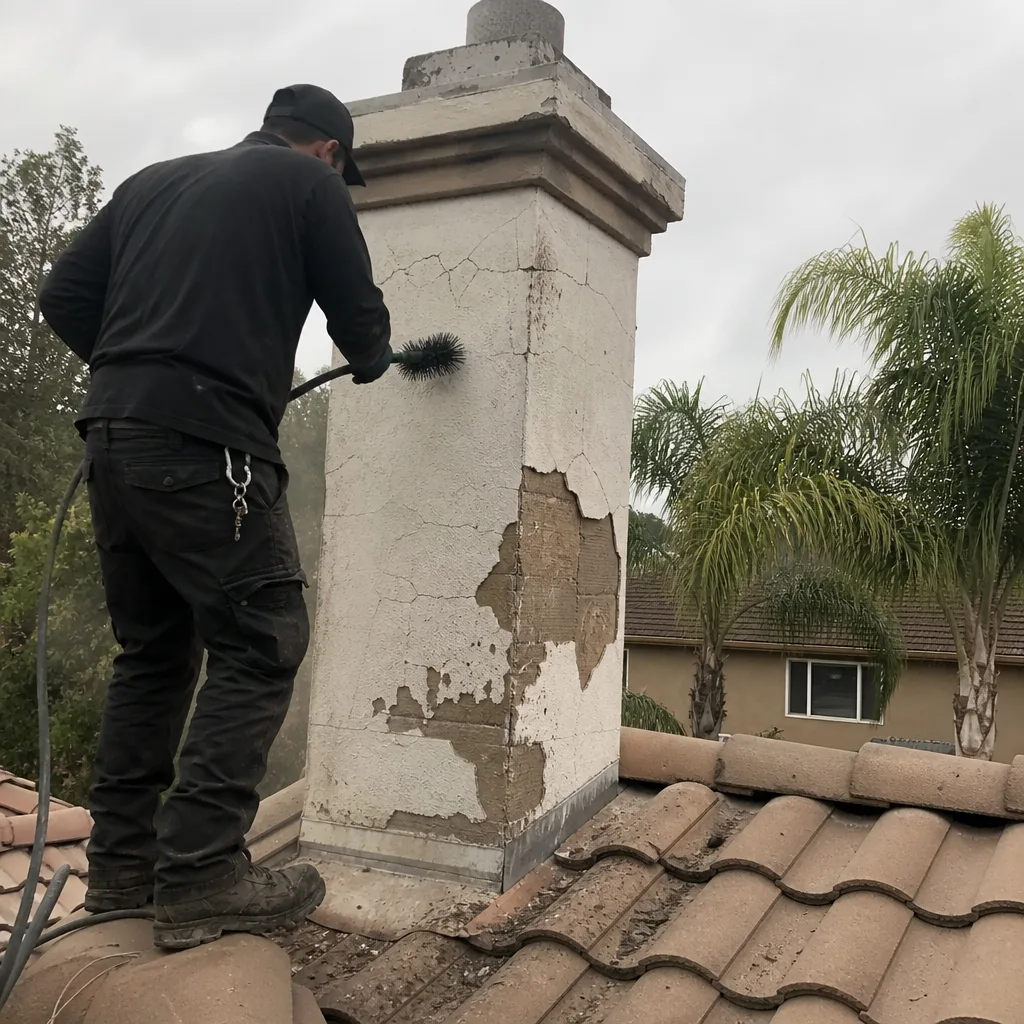 Before
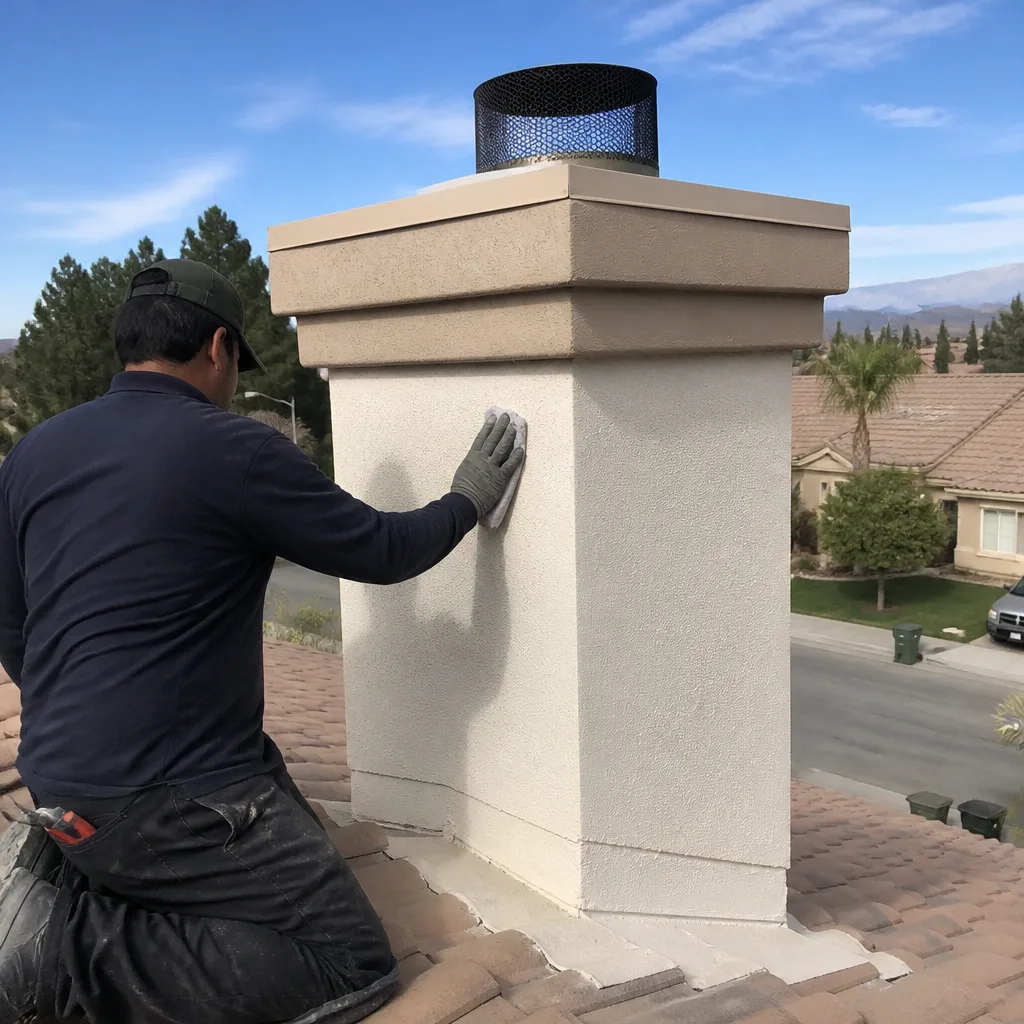 After
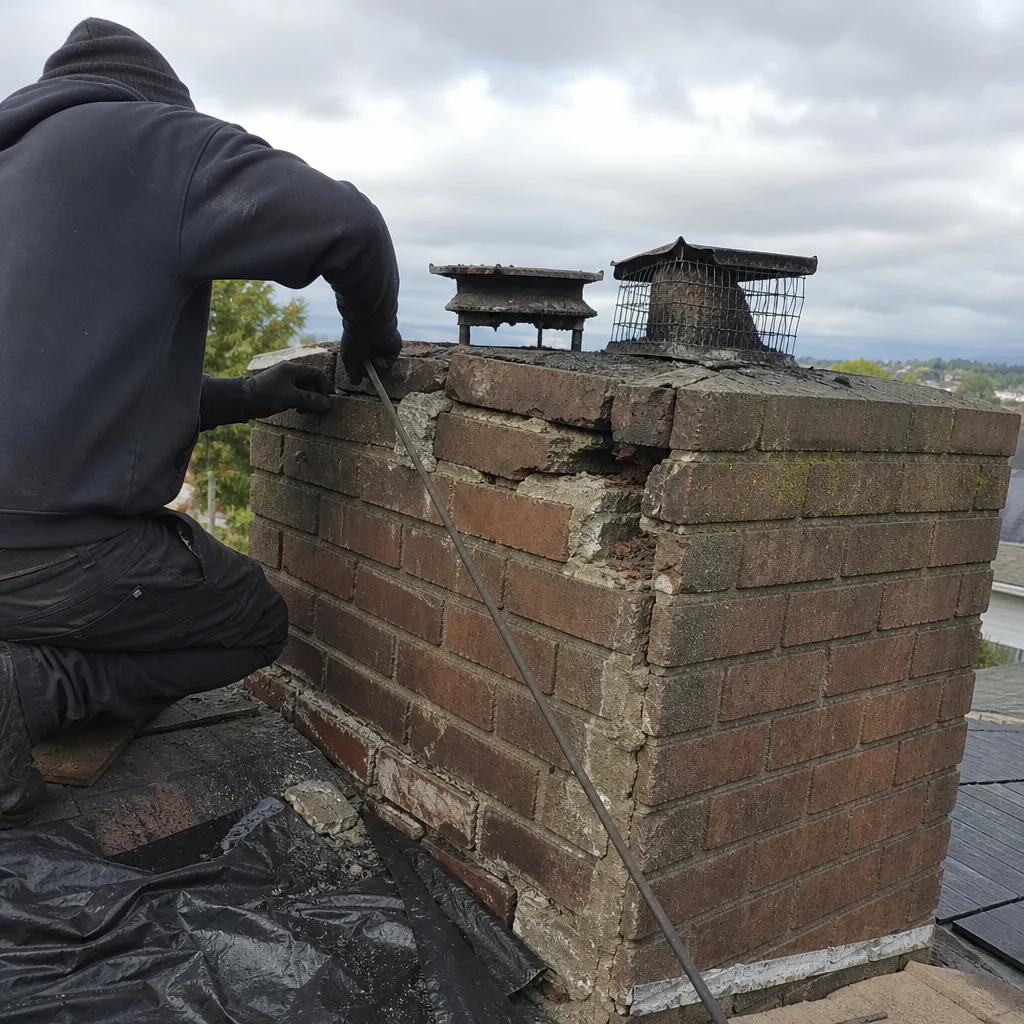 Before
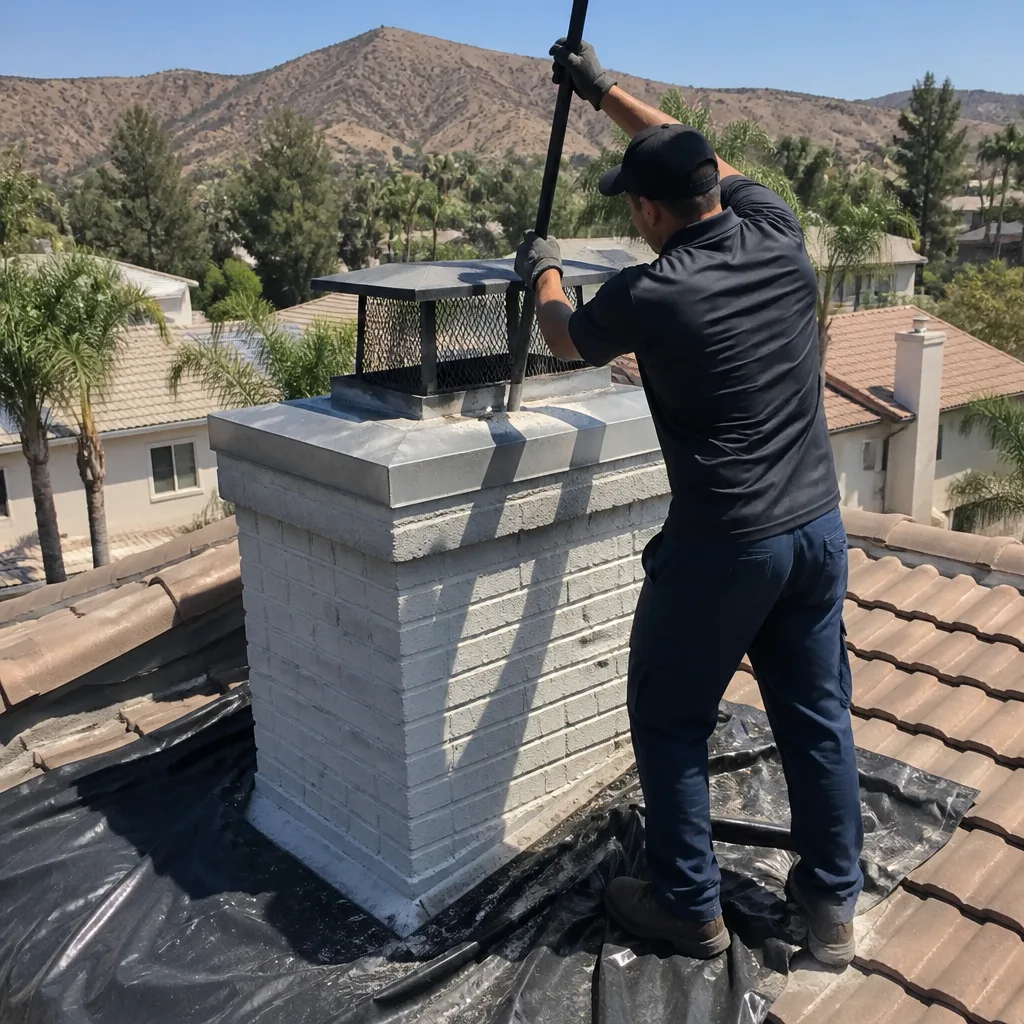 After
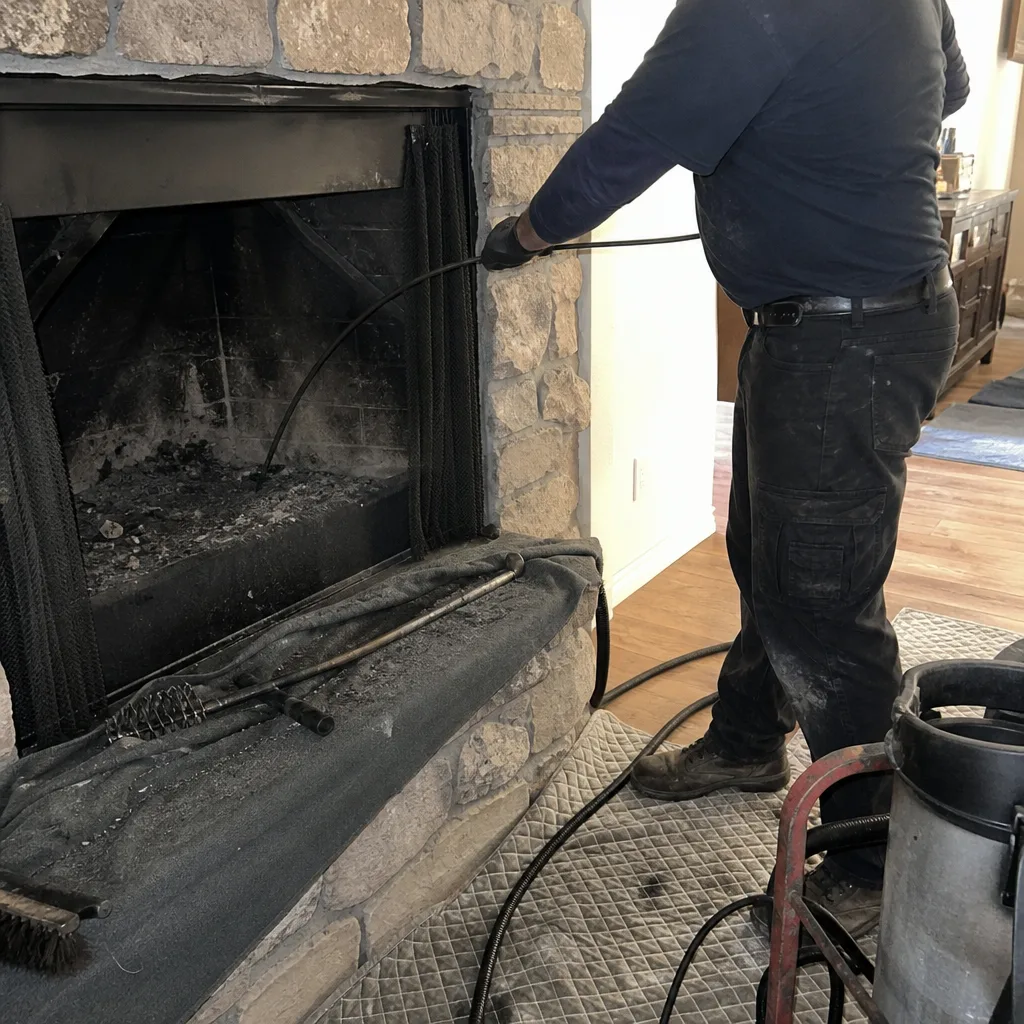 Before
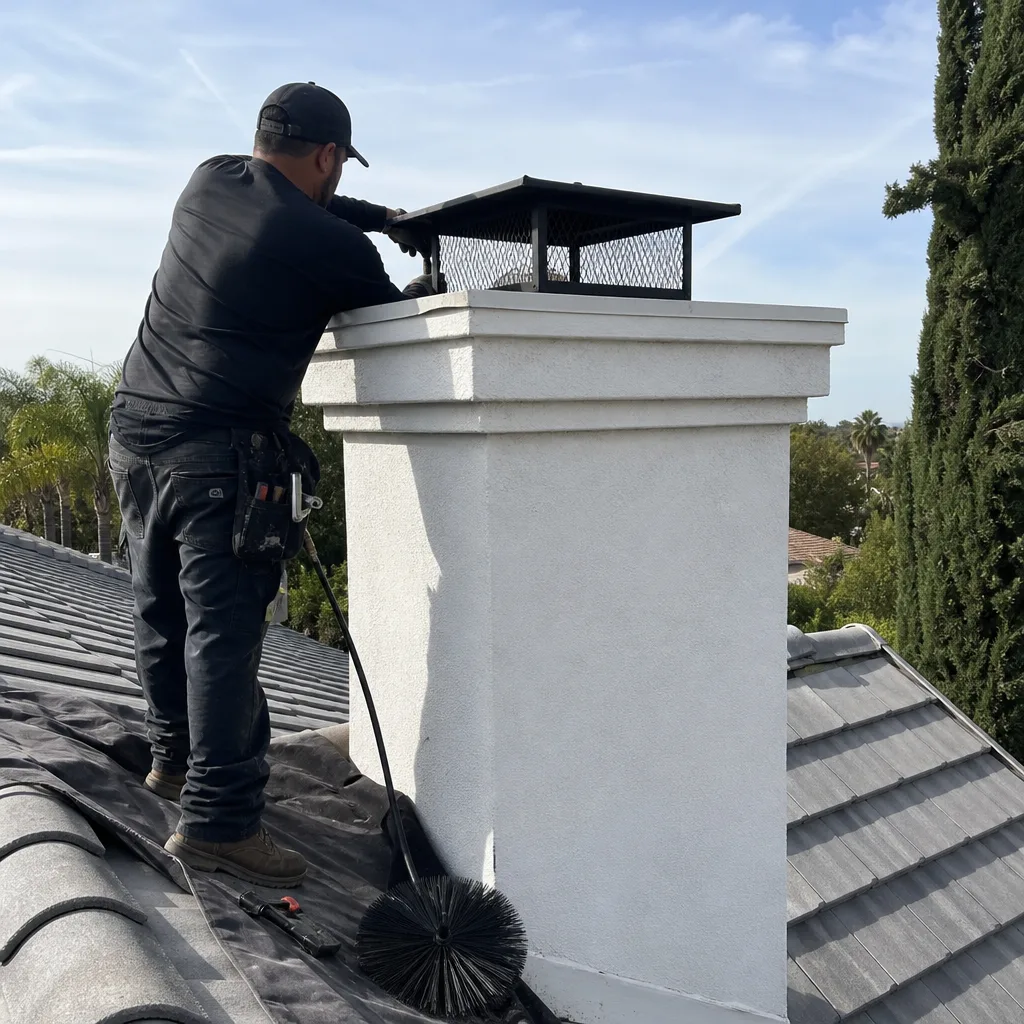 After